
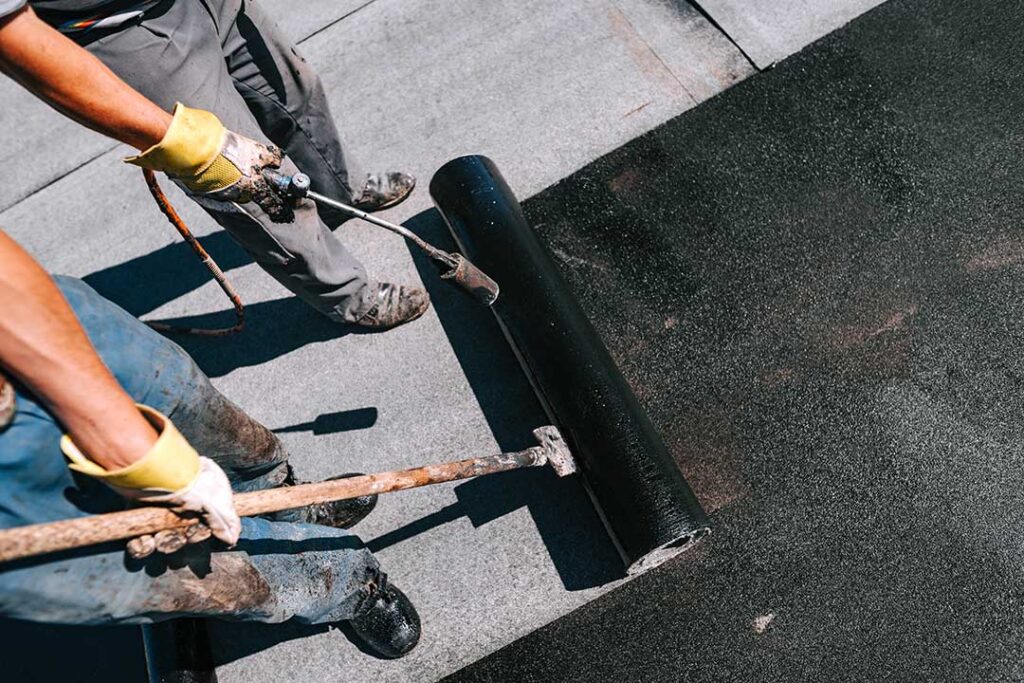
Roof work is safe to do yourself only when the task is minor, the roof is easy to access, weather conditions are stable, and you can work without creating a fall or electrical hazard. Cleaning a small amount of debris from a low-slope porch roof may be reasonable for a capable homeowner. Walking on a steep, wet, damaged, or unfamiliar roof is a different matter.
For residents of Greene, NY, seasonal weather adds practical concerns. Snow, ice, spring moisture, summer heat, autumn leaves, and wind can change roof conditions quickly. A job that appears simple from the ground may become unsafe once ladders, slippery surfaces, or hidden damage are involved.
Which roof tasks are usually reasonable for a homeowner?
Minor ground-level inspections and basic maintenance are generally the safest starting points. Examples include looking at shingles from the ground, clearing leaves from gutters while standing on a stable ladder, or trimming branches that are clearly away from utility lines and the roof edge.
Some homeowners may also be able to replace a small number of accessible shingles or reseal a small exposed fastener area. These tasks still require care because a repair that looks small may be a sign of deteriorated decking, flashing failure, or water damage underneath.
DIY work is more reasonable when:
- The roof is one story or close to ground level.
- The slope is low and easy to walk on.
- The surface is dry, clean, and free of moss or algae.
- There are no overhead wires near the work area.
- The task can be completed without removing large sections of roofing.
- Proper fall protection, footwear, and ladder equipment are available.
- Another adult is present and knows where the work is taking place.
A homeowner should also understand the repair well enough to identify when the situation is different from what was expected. Stopping early is safer than continuing after discovering rotten wood, multiple layers of roofing, loose decking, or widespread shingle failure.
When should you stay off the roof?
Do not climb onto a roof that is wet, icy, snow-covered, frost-covered, or visibly unstable. Even a small amount of moisture can make shingles and metal flashing unexpectedly slippery. In the Greene area, overnight freezing can leave a roof hazardous in the morning even when the air temperature feels manageable.
Avoid roof work during:
- Rain or recent precipitation
- Strong or gusty wind
- Thunderstorms or lightning
- Freezing temperatures that create ice
- Extreme summer heat
- Poor visibility
- Conditions that make ladder placement unstable
Heat also creates a risk. Dark roofing materials can become much hotter than the surrounding air, increasing fatigue, dehydration, and the chance of losing balance. Hot shingles may also soften, tear, or lose protective granules when handled.
A roof should not be treated as safe simply because it looks dry from the yard. Shaded sections, north-facing slopes, areas beneath trees, and surfaces near valleys or roof penetrations may remain damp longer.
What roof problems should not be handled as a DIY project?
Some conditions require more than basic maintenance because the risk involves structural failure, electrical contact, or hidden water damage. Avoid DIY roof work when the problem includes:
- Sagging roof sections
- Large areas of missing or lifted shingles
- Soft spots underfoot
- Water entering living spaces
- Damaged rafters, trusses, or roof decking
- Extensive flashing failure around chimneys, vents, or skylights
- Ice dams with active leakage
- Fire, storm, or fallen-tree damage
- Mold or widespread moisture damage in the attic
- Roofing materials that may contain hazardous substances
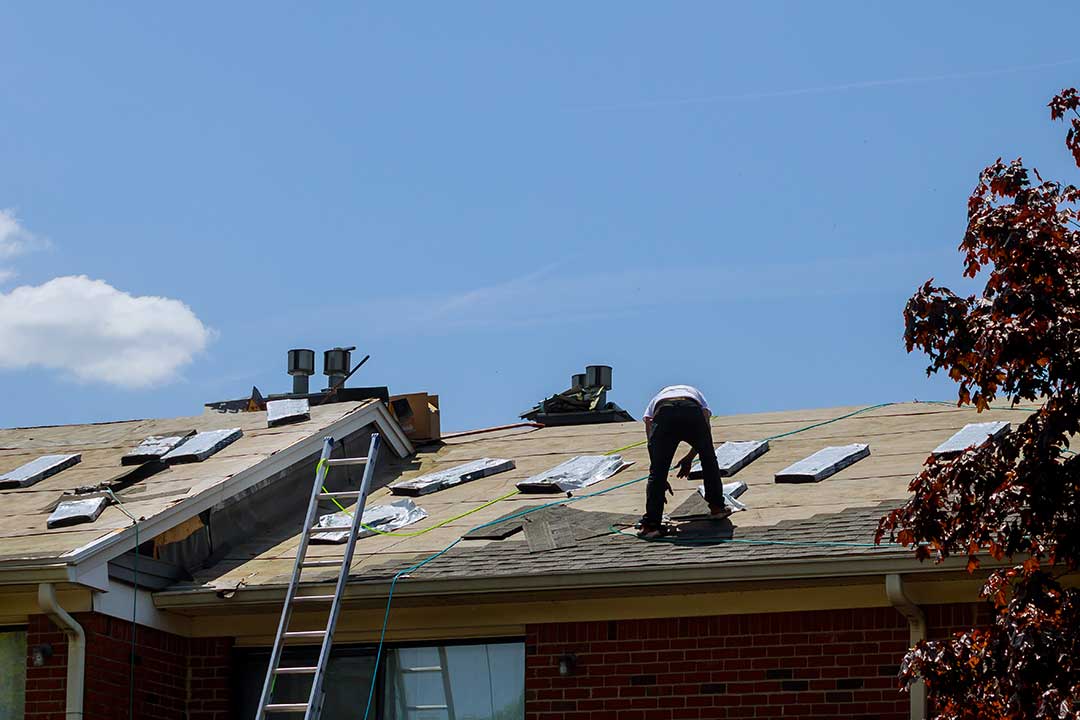
A sagging area can indicate weakened framing or water-damaged decking. Walking across it may cause further collapse. Similarly, a ceiling stain is not always a simple leak directly above the visible mark. Water can travel along rafters and insulation before appearing indoors.
After a major windstorm, the safest first step is usually a ground-level inspection. Look for missing materials, exposed underlayment, fallen branches, and debris. Do not climb up to inspect storm damage if the roof may be unstable or if power lines are involved.
How can ladders be used more safely?
Many roof injuries happen before a person reaches the roof. Ladder placement deserves as much attention as the repair itself.
Set the ladder on firm, level ground rather than wet grass, loose gravel, snow, or uneven soil. Keep the base clear of doors, vehicles, and walking paths. The ladder should extend high enough above the roof edge to provide a secure handhold when stepping off and back on.
Maintain three points of contact while climbing: two hands and one foot, or two feet and one hand. Do not carry tools in both hands. Use a tool belt, hoist line, or another method that leaves the hands available for climbing.
Never place a ladder near overhead electrical wires. Aluminum ladders can conduct electricity, but any ladder can create danger if it contacts a power line. Keep children and bystanders away from the area, and do not work alone when a fall could leave you unable to reach a phone or summon help.
Is walking on shingles safe?
Walking on shingles is not automatically safe, even when the roof is dry. Shingles can be brittle, loose, curled, or weakened by age. Foot traffic may break the seal between shingles, dislodge granules, or damage flashing.
If access is necessary, wear clean, slip-resistant footwear and step carefully on the lower portions of exposed shingles rather than on raised edges. Avoid stepping near valleys, ridge caps, skylights, vents, and roof edges. These areas may conceal weak decking or have less reliable footing.
Roof brackets, staging, harnesses, and anchor systems can reduce risk, but they are only useful when installed and used correctly. A harness attached to an unsuitable anchor may create false confidence rather than meaningful protection.
What about attic inspections?
An attic inspection is often safer than climbing onto the roof, but it still requires caution. Use a secure ladder, adequate lighting, and a stable walking surface. Do not step between ceiling joists, because the drywall below may not support body weight.
Look for wet insulation, dark staining, daylight through the roof deck, rusted fasteners, damaged wood, and signs of pests. Avoid touching electrical wiring or moving insulation around energized equipment. If water is near a light fixture, outlet, or other electrical component, keep clear and address the electrical hazard before investigating further.
An attic inspection can help identify a problem, but it may not reveal the full source of a leak. Water can enter at one location and travel before becoming visible.
How should homeowners decide?
A useful rule is to separate maintenance from exposure to danger. Ground-level cleaning, visual checks, and small repairs on a low, stable roof may be suitable for an experienced homeowner. Work involving steep slopes, fragile materials, structural damage, electrical hazards, snow, ice, or significant height is not a sensible DIY project.
Before starting, ask:
- Can the work be completed without walking on a steep or damaged surface?
- Is the roof completely dry and free of ice?
- Can the ladder be placed securely?
- Are there power lines, tree limbs, or unstable surfaces nearby?
- Do you have the right equipment and know how to use it?
- Can the suspected problem be repaired without opening the roof widely?
- What is the plan if the weather changes or the roof condition is worse than expected?
If any answer raises serious concern, remaining on the ground is the safer decision. A small maintenance task is never worth a fall, electrical injury, or structural accident.
