
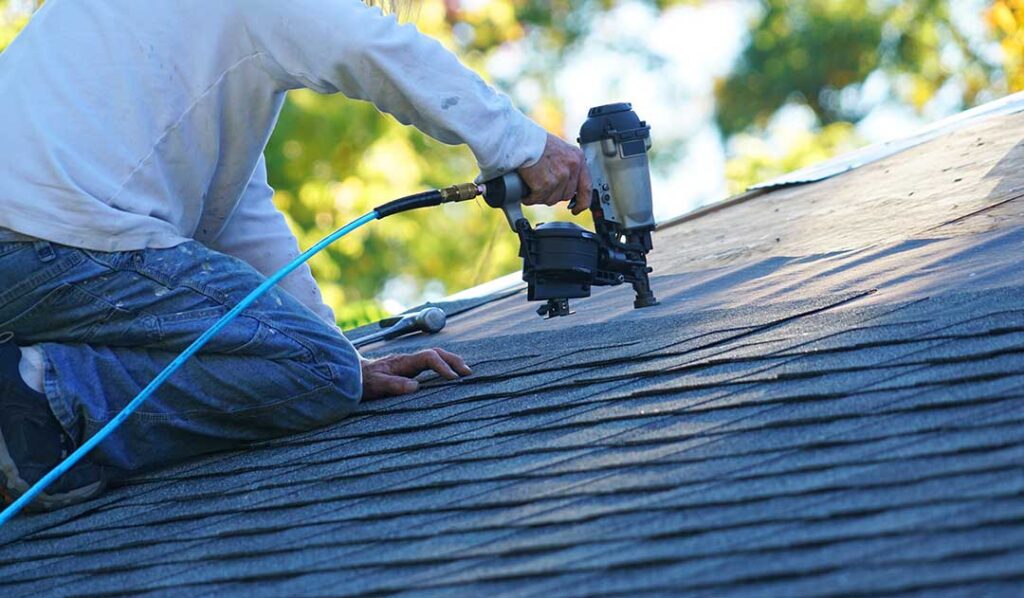
Renovations can protect a home’s value and comfort, but construction work can also create short-term risks for the roof. Open walls, moved materials, foot traffic, dust, vibration, and temporary coverings may lead to leaks or damage if the roof is not included in the project plan.
For homes in Greene, NY, renovation planning should account for rain, snow, freezing temperatures, ice, and sudden weather changes. A roof that appears sound before work begins can still be damaged by ladders, tools, debris, or improperly installed temporary protection.
Which renovation projects pose the greatest risk to a roof?
Projects that involve roof access, exterior walls, chimneys, skylights, wiring, plumbing, or attic spaces usually create the most exposure. Additions, dormers, solar-related work, siding replacement, window installation, and major interior remodeling can all affect roof performance.
Even renovations that do not directly involve the roof may create problems. For example, a kitchen remodel may require new plumbing vents through the roof. An attic conversion can disturb insulation, ventilation pathways, or roof framing. A new addition may leave an older roof temporarily connected to unfinished walls.
Common risks include:
- Punctures from nails, screws, or sharp materials
- Cracked or displaced shingles from foot traffic
- Damaged flashing around chimneys, vents, and wall intersections
- Clogged gutters and downspouts from construction debris
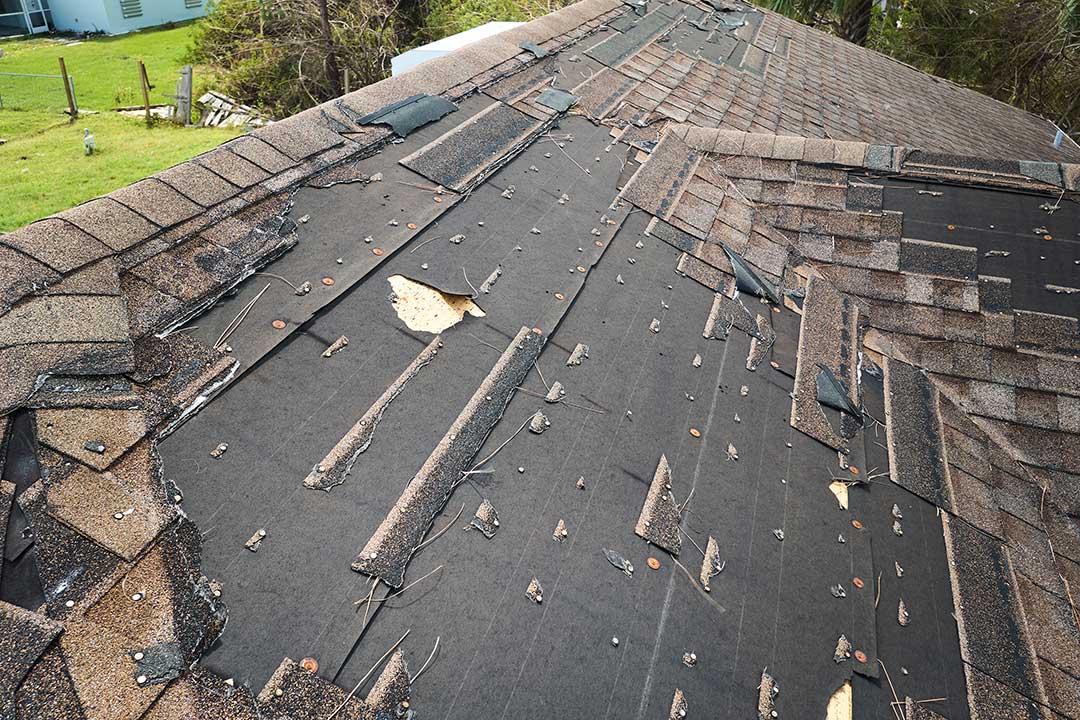
- Water entering through uncovered openings
- Blocked attic ventilation caused by insulation or framing
- Condensation from temporary heating or enclosed construction areas
The safest approach is to identify these risks before demolition or material delivery begins.
How should the roof be inspected before work starts?
A pre-renovation roof check should document the roof’s condition and identify weak points. This provides a baseline for distinguishing existing wear from damage caused during construction.
Look for:
- Missing, loose, curled, or cracked shingles
- Soft areas in the roof deck
- Rusted or loose flashing
- Exposed fasteners
- Sagging roof lines
- Granules collecting heavily in gutters
- Damaged pipe boots or vent coverings
- Moss or organic growth holding moisture against roofing materials
- Signs of water staining in the attic or upper ceilings
Photographs are useful, especially around roof penetrations, valleys, eaves, skylights, and areas where ladders or scaffolding will be placed. Interior ceilings and attic surfaces should also be checked for existing stains or dampness.
If the roof is already near the end of its service life, renovation work may expose problems that would otherwise have appeared later. That does not automatically mean the roof must be replaced before remodeling, but it does mean temporary protection and weather planning deserve extra attention.
What is the safest way to use ladders and scaffolding near a roof?
Ladders and scaffolding should be positioned so they do not rest directly on fragile roofing surfaces whenever possible. Repeated movement in the same area can loosen shingles, crush ridge caps, or damage flashing.
Workers should avoid:
- Dragging ladders across shingles
- Resting heavy equipment on roof edges
- Walking on wet, icy, or frost-covered roofing
- Stepping on skylights, plastic roof vents, or exposed flashing
- Leaving boards, tools, or fasteners on sloped surfaces
- Allowing scaffolding components to rub against siding, gutters, or eaves
Roof access is especially risky during Greene’s colder months. Frost can make shingles slippery, while freeze-thaw cycles can leave surfaces damp in the morning and dry later in the day. Snow should not be shoveled from a roof with ordinary tools because the roof covering can be scraped or punctured.
How can an unfinished roof opening be protected from rain?
An unfinished opening must be covered with a system designed to resist wind and water, not simply a loose sheet of plastic. Temporary coverings should be secured above the opening and arranged so water drains away from the structure.
A suitable temporary protection plan should address:
- The size and location of the opening
- Expected rain, snow, and wind
- How water will be directed away from walls and framing
- Whether the covering can support ice or accumulated snow
- How often the covering will be inspected
- What will happen if the covering tears or shifts
Tarps can provide short-term protection, but they are not a permanent substitute for completed roofing. A tarp that sags can collect water, transfer weight to unfinished framing, or allow water to run behind siding and into wall cavities.
Before bad weather, inspect temporary coverings, seams, fasteners, roof edges, gutters, and areas around chimneys or vents. A small gap can allow water to travel through insulation and framing before a stain appears indoors.
How should roofing materials and debris be handled?
Roofing materials should be stored on stable, level surfaces rather than concentrated in one area of the roof. Excessive weight can stress roof framing, particularly in older homes or areas already affected by moisture damage.
Debris should be removed regularly. Nails, broken shingles, metal scraps, and wood pieces can puncture roofing or clog drainage systems. Sweeping debris downhill is not a safe cleanup method because it may push material into valleys, gutters, landscaping, or lower roof sections.
Magnetic sweepers can help collect loose nails around the ground, but they do not replace a visual inspection. Nails may remain in mulch, grass, driveway cracks, or spaces beneath temporary platforms.
Gutters deserve special attention during remodeling. Sawdust, insulation, mortar, leaves, and shingle fragments can block water flow. A clogged gutter may overflow against siding or around foundation areas during heavy rain.
Can interior renovations affect roof ventilation?
Yes. Interior remodeling can interfere with attic ventilation even when no exterior roofing work is planned.
Insulation should not block soffit vents, and new ceilings should not seal off intended airflow without a revised ventilation plan. Bathroom fans, dryers, and kitchen exhaust systems must discharge outdoors through properly sealed outlets rather than into the attic. Moist air released into an enclosed attic can condense on cold roof sheathing during the heating season.
Warning signs of ventilation or moisture problems include:
- Damp insulation
- Frost on roof sheathing
- Musty odors
- Peeling paint near upper ceilings
- Mold-like staining
- Rusted fasteners
- Persistent indoor humidity
Renovations that increase insulation or tighten the building envelope should consider how moisture will leave the attic. More insulation does not correct a blocked ventilation path.
What should homeowners check after the renovation?
A final roof and attic inspection should take place after tools, scaffolding, coverings, and debris are removed. Check both visible exterior areas and interior spaces below the work.
Look for new:
- Shingle damage or exposed underlayment
- Bent or displaced flashing
- Punctures around vents and penetrations
- Gutter dents or disconnected sections
- Water stains on ceilings or walls
- Damp insulation
- Daylight visible through roof decking
- Unsealed openings around pipes, wiring, or framing
The first several rainfalls deserve extra attention. Water may enter only under wind-driven rain or melting snow, so a roof that stays dry during a light shower may still have a problem.
For major structural changes, roof penetrations, unsafe roof access, electrical work, or areas with suspected water damage, compliance with applicable building requirements and qualified inspection practices may be necessary. Safety should take priority over completing the renovation quickly.
How can renovation work be planned around local weather?
Weather planning is especially useful in a region with cold winters, snow, spring rain, summer storms, and rapid temperature changes. Exterior work should include enough time to secure the roof before an unexpected weather system arrives.
Before beginning roof-related work, identify:
- A weather window long enough to complete each exposed stage
- A backup plan for sudden rain or snow
- Safe storage for materials
- A way to keep gutters and drainage paths clear
- Inspection points after high wind
- Protection for attic insulation and interior finishes
A roof should never be left exposed overnight simply because the forecast appears clear. Conditions can change, and wind may loosen a covering that seemed secure earlier in the day. Good renovation planning treats temporary weather protection as part of the construction work itself, not as an afterthought.
