
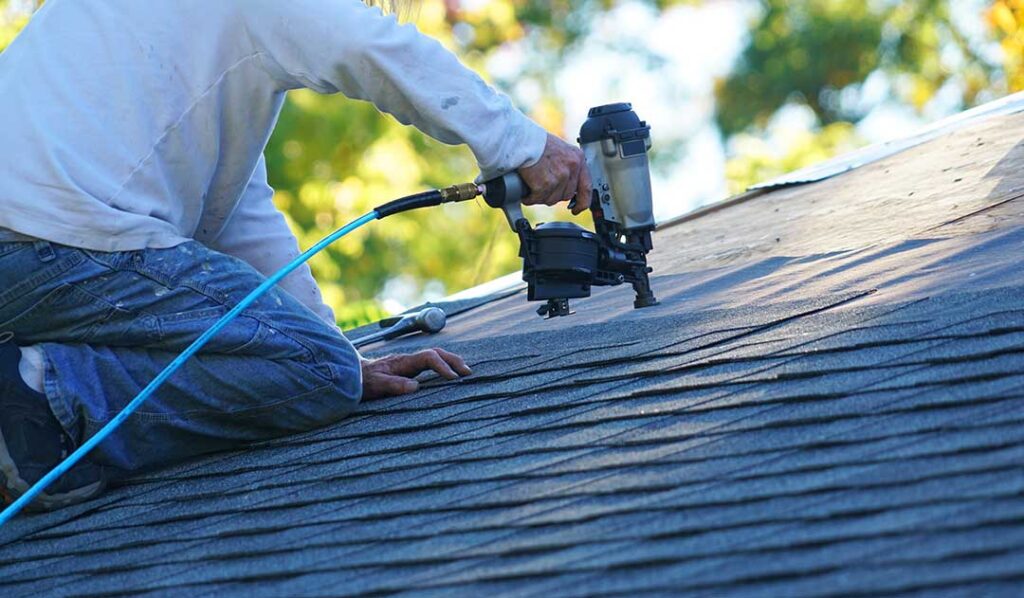
Hail can damage a roof without creating an immediate leak. On homes in Greene, NY, the clearest signs may appear as bruised shingles, exposed roofing material, damaged metal, or scattered debris around the property. A careful inspection after a strong thunderstorm can help identify problems early, but roof surfaces should not be climbed when they are wet, steep, icy, or otherwise unsafe.
What does hail damage look like on asphalt shingles?
Hail damage on asphalt shingles often appears as small, irregular dents or depressions where the protective surface has been struck. These marks may be easier to see from the ground after the roof has dried.
Look for:
- Dark circular or oval spots that do not wipe away
- Areas where granules have been knocked loose
- Exposed gray, brown, or black backing beneath the shingle surface
- Cracks, splits, or shallow fractures
- Shingles that appear bruised, flattened, or softer than nearby areas
- Small pieces of shingle material in gutters, downspouts, or on the ground
A hail impact does not always create a perfect circle. The mark may be irregular, especially if the hailstone hit at an angle or struck a raised portion of the shingle.
Fresh granule loss is one of the more common signs. Some granules naturally collect in gutters as shingles age, but hail-related loss is usually concentrated in separate impact areas rather than spread evenly across the roof.
How can hail damage be checked safely from the ground?
A ground-level inspection can reveal useful clues without putting someone on the roof. Walk around the home and look at the roof edges, lower slopes, gutters, downspouts, siding, window trim, and outdoor equipment.
Use binoculars or a phone camera with a zoom function to examine suspicious areas. Comparing one roof slope with another can also help. If one section has repeated dark marks or missing granules while another looks uniform, the difference may deserve closer evaluation.
Do not rely on a ladder placed against gutters or roof edges after a storm. Wet shingles can be slippery, and hidden structural damage may make access less secure. In Greene, changing weather can leave roofs damp from rain, dew, or overnight temperatures even after the storm has passed.
Can a roof be damaged if there is no leak?
Yes. A roof can sustain impact damage before water enters the attic or living space. Shingles may remain watertight temporarily even after their protective surface has been fractured or weakened.
Hail damage can reduce a shingle’s ability to shed water over time. Later exposure to rain, freezing temperatures, ice, snow, and wind may enlarge a small defect. Water can then reach the underlayment, roof decking, insulation, or interior ceilings.
Check attic spaces and upper-floor ceilings for:
- New brown or yellow stains
- Damp insulation
- Musty odors
- Drips or wet wood
- Peeling paint or bubbling drywall
- Daylight visible through roof decking
A leak may not appear directly below the damaged area because water can travel along rafters or the underside of the roof deck before entering the room.
What other parts of a house can show evidence of hail?
Roof shingles are not the only place to look. Hail often leaves related evidence on exterior surfaces, especially when the storm includes strong wind.
Possible signs include:
- Dents in aluminum gutters, downspouts, flashing, or roof vents
- Small chips or cracks in painted siding
- Damage to window screens
- Marks on exterior trim
- Dented air-conditioning equipment
- Broken plant stems or shredded leaves
- Hailstones or concentrated piles of ice remaining after the storm
- Damage to sheds, fences, skylights, or other exposed property
Metal surfaces can be especially useful because dents may remain visible even when shingle marks are difficult to identify. However, a dented gutter alone does not prove that the roof needs replacement. The age, condition, installation, and overall pattern of damage all matter.
How is hail damage different from normal roof aging?
Normal aging usually develops gradually and affects broad areas of the roof. Hail damage is more likely to appear as scattered impact points or concentrated marks on roof slopes that faced the storm.
Common signs of aging include:

- Widespread loss of granules
- Brittle or curling shingle edges
- General discoloration
- Cracked seal strips
- Moss or algae growth
- Shingles that are worn evenly across large sections
Wind damage more often causes lifted, creased, or missing shingles. Tree damage may create larger breaks, punctures, or crushed areas. Manufacturing defects, poor ventilation, and installation problems can also resemble storm damage.
Because these conditions can overlap, photographs and a consistent inspection pattern are more useful than judging one mark in isolation.
What should homeowners document after a hailstorm?
Photograph the property as soon as conditions are safe. Take wide images showing the roof and surrounding property, followed by closer photographs of individual marks, damaged metal, debris, and any interior water staining.
Record:
- The date and approximate time of the storm
- Whether hail, high wind, or heavy rain occurred
- The roof’s approximate age
- Areas where damage is visible
- Any temporary steps taken to prevent additional water entry
- The date a leak or interior stain was first noticed
Photographs taken before a storm can also help establish the roof’s earlier condition. Keep receipts or records for previous repairs, if available, but avoid disturbing damaged areas before they have been documented.
If a temporary covering is needed to limit water entry, use caution. Wet roofs, ladders, and loose materials create fall hazards. Interior buckets and moving belongings away from a leak may be safer than attempting roof work during poor conditions.
Does hail damage always mean the entire roof must be replaced?
No. The proper response depends on the type and extent of damage, the roof’s age and condition, the affected materials, and whether repairs can restore reliable performance.
Some isolated damage may be repairable. More widespread impact damage may affect multiple slopes or roofing components. A roof that was already near the end of its service life may also respond differently from a newer roof.
Insurance coverage is determined by the individual policy, deductible, exclusions, documentation, and the facts of the loss. A policy should be reviewed before assuming that damage is covered or that a full replacement is warranted. Hail-related roof surfacing may also be treated differently from other covered building components under some policies.
When is an inspection especially necessary?
A closer inspection is warranted when shingles are visibly broken, granules are accumulating unusually fast, metal components are dented, water is entering the home, or damage is present across several exterior surfaces.
An inspection is also sensible when the roof cannot be viewed safely from the ground. Roof damage is not always obvious, and walking across shingles can create additional damage or personal injury. Anyone assessing the roof should use appropriate fall protection and understand how to distinguish hail impacts from age-related wear, wind damage, and installation defects.
After a severe thunderstorm, prompt documentation and safe temporary protection can reduce the chance that a minor opening becomes a larger water problem. The key is to inspect carefully, avoid unsafe roof access, and base decisions on the pattern and severity of the evidence rather than on a single mark.
