
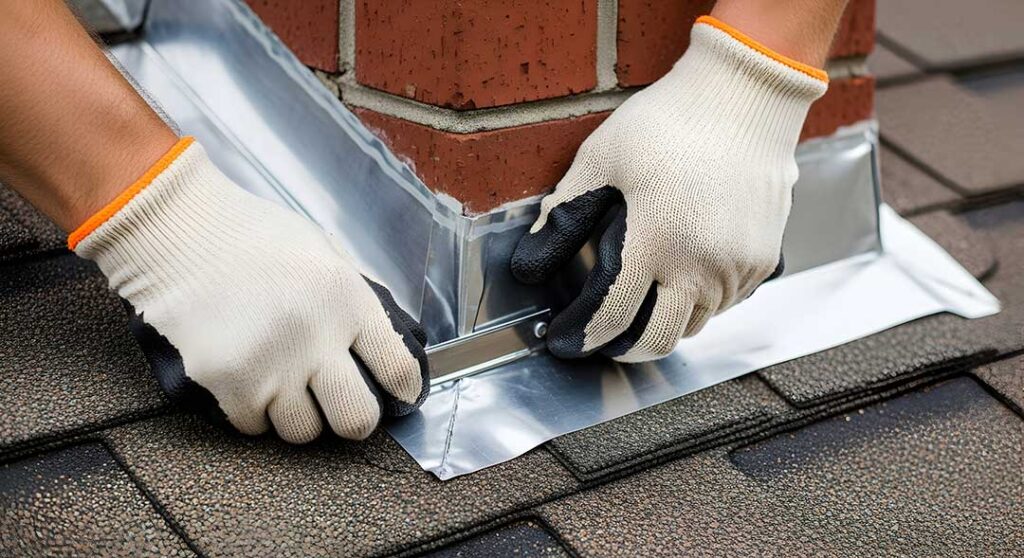
Roof stains are usually signs of moisture, organic growth, aging materials, or a problem with drainage. Some marks are mainly cosmetic, while others indicate water is entering the roof system or attic. The color, location, shape, and recent weather conditions can help narrow down the cause.
In Greene, NY, seasonal changes can make roof staining more noticeable. Snow, ice, rain, humidity, falling leaves, and repeated freezing and thawing all affect roofing materials and drainage paths. A stain should not be ignored simply because the roof is not actively leaking indoors.
What do roof stains usually look like?
Roof stains may appear as dark streaks, brown patches, green or black areas, or pale marks around vents and flashing. Their appearance often provides the first clue about what is happening.
Common patterns include:
- Long dark streaks running down shingles: Often associated with algae or dirt carried by rainwater.
- Green or fuzzy patches: May indicate moss, especially where the roof stays shaded and damp.
- Brown or yellow interior ceiling stains: Usually suggest water has traveled through the roof assembly or attic.
- Rust-colored marks near metal components: May come from corrosion, exposed fasteners, or runoff from metal flashing.
- Black marks around chimneys, vents, or roof edges: Can result from moisture, deteriorated sealants, or concentrated runoff.
- Light-colored or chalky patches: May be related to aging roofing surfaces, mineral loss, or previous cleaning.
A stain’s appearance cannot confirm the cause by itself. Water can travel sideways along rafters, roof decking, insulation, or ceiling materials before becoming visible.
Are dark streaks on shingles a leak?
Dark streaks on exterior shingles are not automatically evidence of a leak. They are often caused by algae, accumulated dirt, or runoff from nearby roofing materials.
Algae tends to form on roof areas that receive less sunlight and dry slowly. It may begin as isolated marks and gradually spread into vertical streaks because rainwater carries moisture and organic material down the slope. These stains can remain visible even when the roof is still functioning properly.
However, exterior streaks deserve closer attention if they occur with:
- Missing, lifted, cracked, or curling shingles
- Soft spots on the roof surface
- Damaged flashing
- Water stains inside the attic or upper floors
- Damp insulation or musty odors
- Overflowing gutters or blocked downspouts
A roof can have algae staining and a leak at the same time, so the presence of one does not rule out the other.
What causes moss and algae to grow on a roof?
Moss and algae need moisture, shade, and a surface where they can remain undisturbed. Tree cover, nearby buildings, north-facing roof slopes, clogged gutters, and poor ventilation can all slow drying.
Moss is more concerning than a flat discoloration because it can grow beneath shingle edges and hold moisture against the roofing material. Repeated wetting and drying may loosen shingle surfaces over time. Moss can also make a roof slippery, creating a fall hazard for anyone attempting to walk on it.
Algae generally causes staining without the same root-like growth pattern as moss. Still, aggressive scrubbing or improper cleaning can remove protective granules from shingles and shorten their service life.
How should roof stains be cleaned?
The safest approach depends on the roof material, slope, age, and stain type. For many asphalt-shingle roofs, gentle treatment is less damaging than pressure washing or vigorous brushing.
Avoid:
- Pressure washing shingles
- Using a stiff wire brush
- Scraping moss aggressively
- Walking on wet, steep, or brittle roofing
- Mixing cleaning chemicals
- Allowing runoff to damage siding, plants, soil, or stored water
- Applying household cleaners without checking whether they are compatible with the roofing material
A low-pressure cleaning method may be appropriate for some roofs, but even low-pressure water can cause damage if directed beneath shingle edges or around flashing. Cleaning products can also affect metal gutters, painted surfaces, landscaping, and nearby exterior materials.
For a roof that is steep, icy, fragile, heavily moss-covered, or difficult to access safely, staying off the roof is the appropriate choice. Falls are a more immediate hazard than the stain itself.
Can roof stains be removed permanently?
Cleaning may improve the appearance, but it does not always remove the conditions that caused the stain. If a roof remains shaded, damp, or covered by nearby debris, discoloration may return.
Long-term prevention usually involves improving drainage and drying conditions:
- Keep gutters clear of leaves and roof granules.
- Make sure downspouts discharge water away from the foundation.
- Remove branches that rub against or heavily shade the roof, where permitted and safe.
- Keep roof valleys and drainage paths free of accumulated debris.
- Check attic ventilation and insulation for moisture-related problems.
- Avoid trapping wet leaves against roofing materials.
- Watch for areas where snow or ice repeatedly accumulates.
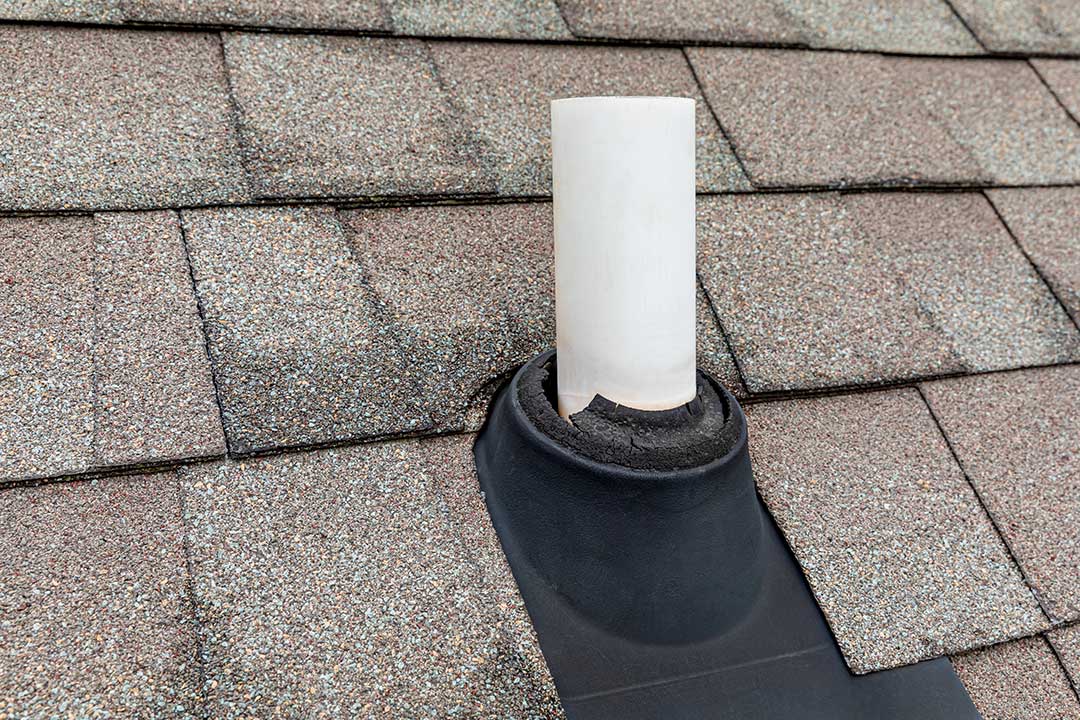
Metal strips installed near the upper portion of some roofs can help limit future algae growth as rainwater moves over the metal. These products are not suitable for every roof, and installation must not damage shingles or flashing.
What do ceiling stains mean?
A brown ceiling stain usually means moisture has reached the interior side of the building. The stain may remain after the roof has dried, so a dry-looking mark does not prove that the problem has stopped.
Look for changes such as:
- A stain that grows after rain or snowmelt
- Bubbling or peeling paint
- Soft or sagging drywall
- Damp insulation in the attic
- Dripping around light fixtures
- A musty smell
- Mold-like growth
Water near electrical fixtures should be treated as a safety concern. Avoid touching wet electrical components, and use caution around ceilings that are bulging or sagging. A ceiling stain beneath a bathroom, chimney, roof valley, skylight, vent, or plumbing penetration may require tracing the moisture path rather than simply sealing the visible spot.
Why do stains appear after winter?
Winter can reveal existing weaknesses rather than create all of them from scratch. Snow and ice may enter gaps around flashing, vents, roof edges, and poorly sealed penetrations. Ice buildup along eaves can also interfere with drainage and force meltwater beneath roofing materials.
After a significant winter weather event, inspect accessible areas from the ground and check the attic when conditions are safe. Pay particular attention to:
- New ceiling discoloration
- Wet insulation
- Icicles that formed repeatedly in the same location
- Damaged gutters or downspouts
- Shingles displaced by wind
- Water marks near roof penetrations
Do not climb onto an icy roof to inspect a stain. Ground-level observation and an indoor attic check are safer starting points.
When is a roof stain a sign of a larger problem?
A stain deserves prompt attention when it is paired with active dripping, spreading interior damage, structural sagging, mold-like growth, damaged electrical components, or visibly deteriorated roofing.
Cosmetic staining alone may not require immediate repair, but it is still useful to document its location and watch for changes. Photographing the area after dry weather and again after rain can help show whether the mark is stable or expanding.
The most useful questions are simple: Is the stain new? Is it growing? Does it appear after precipitation? Is the roof surface damaged nearby? Is moisture present in the attic? These observations often provide more practical information than color alone.
Residents should treat roof stains as clues rather than diagnoses. Careful observation, safe cleaning practices, and attention to drainage can help distinguish ordinary surface discoloration from moisture problems that could damage insulation, roof decking, ceilings, and interior finishes.
