
Choosing a roofing contractor in Greene, NY requires more than comparing prices. A reliable choice depends on verified experience, clear written terms, safe work practices, proper insurance, and an understanding of local weather conditions.
Roofing work affects the structure, insulation, ventilation, and protection of a home. The contractor who installs or repairs the roof should be able to explain what is wrong, what work is necessary, and how the proposed solution will perform through changing seasons.
What should homeowners check before choosing a roofing contractor?
Start by confirming that the contractor is an established business with a traceable work history. A contractor should be willing to provide a business name, physical mailing information, references, proof of insurance, and a written description of the proposed work.
Useful questions include:
- How long has the business performed roofing work?
- Does the contractor regularly handle the type of roof involved?
- Who will perform the work?
- Will subcontractors be used?
- What insurance coverage is in place?
- How are changes to the original scope handled?
- What warranty applies to workmanship, and what warranty comes from the material manufacturer?
A contractor who avoids basic questions, pressures a homeowner to decide immediately, or gives only a verbal price deserves caution. Good roofing work begins with clear communication before materials arrive.
How can a homeowner compare roofing estimates fairly?
Roofing estimates are only useful when they describe the same work. A low price may leave out important items such as removal of existing materials, replacement of damaged decking, flashing, ventilation improvements, disposal fees, or permits where required.
A written estimate should identify:
- The roofing material and manufacturer or product type
- The number of layers to be removed
- Underlayment and ice-barrier details
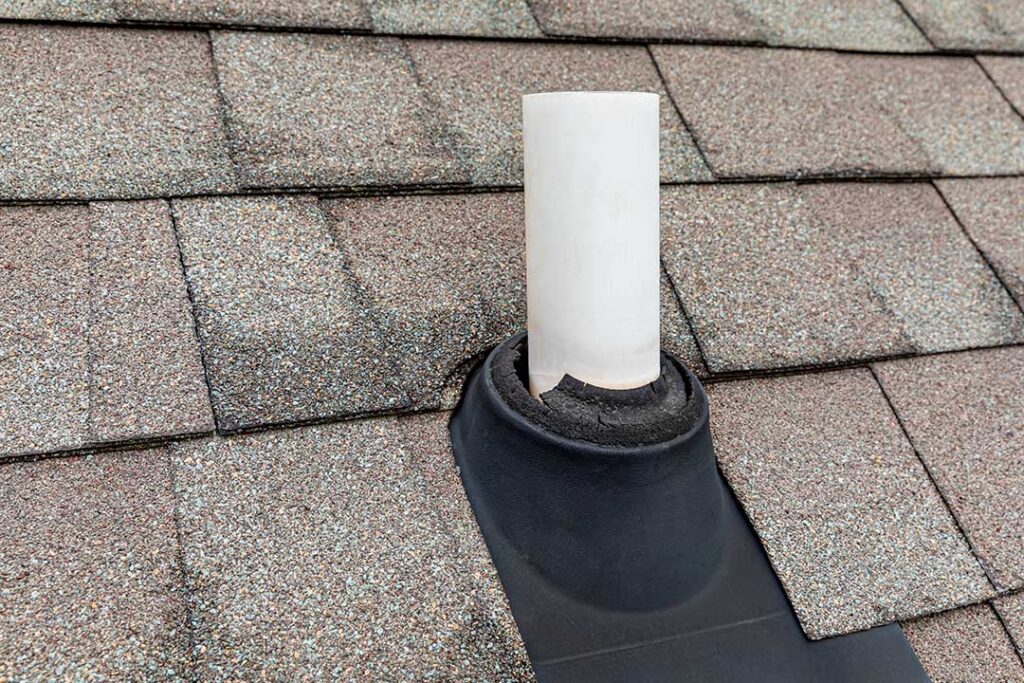
- Flashing work around walls, chimneys, skylights, and roof openings
- Ventilation components
- Replacement of damaged wood
- Cleanup and disposal
- Payment timing
- Start and completion expectations
- Warranty terms
- Procedures for unexpected conditions
For example, two estimates may appear different because one includes replacement of deteriorated roof decking while the other charges for it only if discovered. Neither approach is automatically wrong, but the difference should be explained before work begins.
Homeowners should be cautious about paying the full amount upfront. Payment schedules should match measurable progress, and any deposit should be reasonable and clearly documented.
Why do insurance and licensing questions matter?
Roofing involves ladders, fall hazards, power tools, and potential damage to property. Insurance helps protect both the homeowner and workers if an accident occurs. Proof of coverage should come directly from the insurance provider or through reliable documentation, rather than relying only on a verbal statement.
Ask about:
- General liability insurance
- Workers’ compensation coverage
- Insurance limits
- Whether coverage applies to employees and subcontractors
Licensing and permit requirements can vary according to the work and local rules. A contractor should know which requirements apply to the project and should not suggest avoiding permits when they are required. Homeowners can also verify applicable requirements with the relevant local building authority before signing a contract.
Insurance is not a measure of workmanship by itself. It is one part of due diligence that reduces avoidable risk.
What experience matters in Greene, NY?
Roofs in the area must handle changing weather, including freeze-thaw cycles, strong winds, heavy rain, snow, ice, and periods of summer heat. These conditions can expose weaknesses in flashing, ventilation, drainage, and installation details.
Local experience can be useful because a contractor may be familiar with common regional housing styles, roof pitches, older construction methods, and seasonal scheduling challenges. However, a nearby address alone does not prove quality. The more meaningful question is whether the contractor has successfully completed comparable work.
Look for experience with the specific roof type, such as:
- Asphalt shingles
- Metal roofing
- Low-slope sections
- Steep-slope roofs
- Older roofs with multiple layers
- Roofs with chimneys, dormers, skylights, or additions
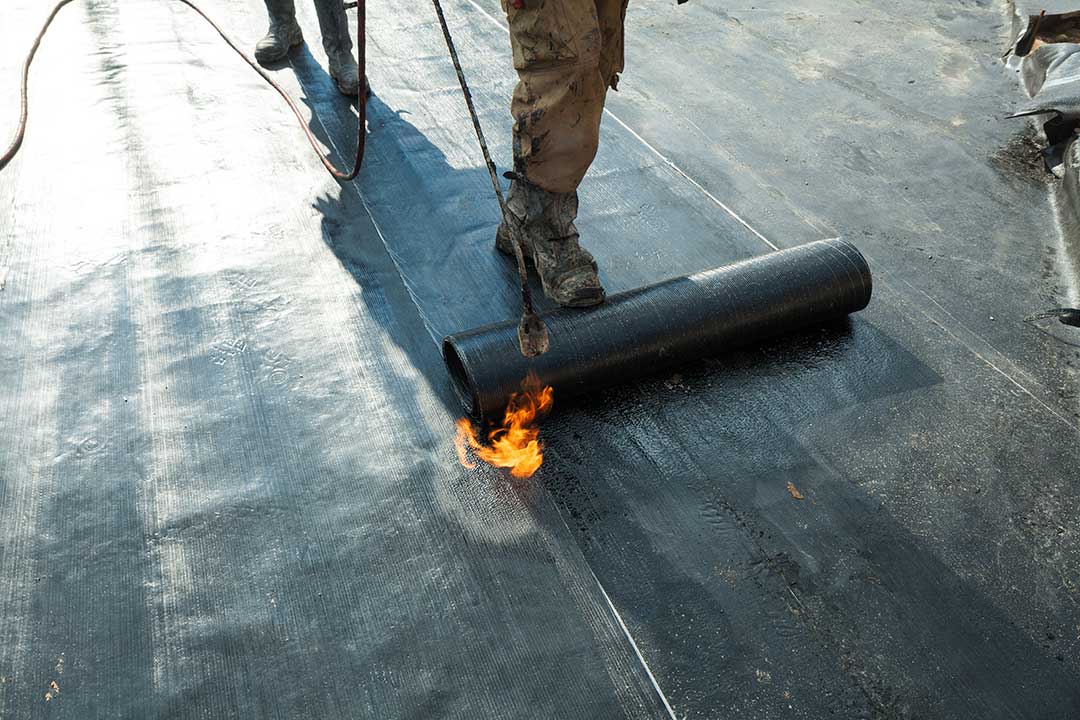
A contractor should also inspect attic ventilation and drainage rather than focusing only on visible shingles. Premature roof failure can result from moisture buildup, inadequate airflow, blocked gutters, or poorly designed roof transitions.
What warning signs should homeowners avoid?
Several warning signs suggest that a roofing arrangement may be risky:
- A contractor cannot provide proof of insurance.
- The estimate is vague or consists only of a total price.
- The contractor insists on cash-only payment.
- A large upfront payment is demanded without a clear explanation.
- The contractor claims that every roof problem can be solved with a coating or quick patch.
- The proposal does not mention flashing, ventilation, or deck inspection.
- The contractor refuses to identify who will perform the work.
- The homeowner is pressured to sign immediately.
- A storm-related salesperson appears uninvited and claims damage without a careful inspection.
- The contractor offers to handle an insurance claim in a way that seems misleading or encourages exaggeration.
Storm damage can be difficult to evaluate from the ground. A few missing granules or a single damaged shingle do not always mean that a complete replacement is necessary. A sound assessment should distinguish between cosmetic wear, isolated repairable damage, and conditions that affect the roof system.
Should references and reviews be checked?
Yes, but they should be treated as evidence rather than proof. Ask for references from recent projects that resemble the proposed work. Useful questions for past customers include whether the project matched the contract, whether the work area was kept orderly, and how the contractor handled unexpected problems.
Online reviews may reveal patterns involving communication, scheduling, cleanup, or warranty concerns. A single positive or negative review does not establish the full quality of a contractor. Look for consistent details across multiple sources and be cautious about reviews that appear unusually vague, repetitive, or disconnected from roofing work.
A contractor should be able to explain previous projects without sharing private customer information.
What should a roofing contract include?
A roofing contract should be specific enough that a homeowner can understand what will happen without relying on later conversations. It should include the scope of work, materials, costs, payment schedule, warranties, change-order procedures, cleanup responsibilities, and approximate timing.
The contract should also explain what happens if hidden damage is found after shingles or other roofing materials are removed. For example, it may state that damaged decking will be photographed, described, and approved before additional work proceeds.
Before signing, compare the contract with the estimate and ask for corrections if the documents conflict. Keep copies of the contract, inspection photographs, invoices, material information, and warranty documents.
When is a roof repair more appropriate than replacement?
A repair may be reasonable when damage is limited, the existing roof is generally sound, and matching materials are available. Replacement is more likely to be appropriate when the roof has widespread deterioration, repeated leaks, severe storm damage, inadequate previous installation, or multiple layers that prevent proper repair.
Age alone should not determine the decision. A relatively new roof can fail because of poor ventilation or installation, while an older roof may continue functioning if it has been maintained and shows limited wear.
Safety should guide the inspection. Walking on a steep, wet, icy, or damaged roof can cause serious injury and may worsen the damage. Ground-level observations and attic checks can provide useful information, but hazardous conditions may require evaluation by someone equipped and trained to work safely.
The strongest roofing decision is usually the one based on documented conditions, a detailed scope of work, and realistic expectations about materials, weather, maintenance, and the building itself.
