
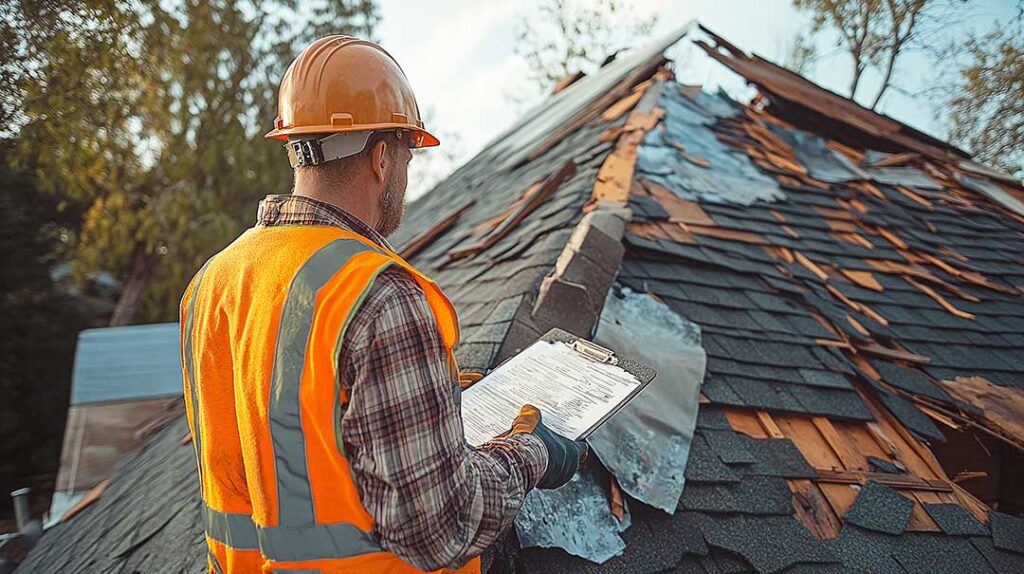
Roof coatings are liquid-applied materials designed to protect, seal, or improve the surface of an existing roof. They can reduce sun-related wear, cover small surface imperfections, and sometimes extend the useful life of a roof. They are not a universal substitute for roof replacement, and their success depends heavily on the roof’s condition, drainage, materials, and installation weather.
For homeowners in Greene, NY, the decision deserves extra care because roofs must handle strong summer sun, freezing temperatures, snow, ice, wind, and repeated wet-dry cycles. A coating that performs well on a sound low-slope roof may be unsuitable for a steep asphalt-shingle roof or a roof with hidden moisture damage.
What is a roof coating?
A roof coating is a fluid material spread or sprayed across an existing roof surface. After curing, it forms a continuous protective layer. Common coating families include acrylic, silicone, polyurethane, and rubber-modified or asphalt-based products.
The coating may be intended to:
- Reflect sunlight and reduce roof-surface temperatures
- Limit ultraviolet damage
- Protect a roof membrane from weathering
- Seal minor surface cracks or exposed areas
- Reinforce seams, fasteners, and flashing details
- Improve water resistance on an appropriately prepared roof
Roof coatings are most commonly associated with low-slope or nearly flat roofs, including certain commercial and residential additions. Some products can be used on metal roofs or other materials, but compatibility must be verified before application.
A coating is a surface treatment, not a new roof structure. It does not replace deteriorated decking, correct poor roof design, rebuild failed flashing, or eliminate standing water.
What are the main advantages?
The strongest benefit is often life extension. If the existing roof is generally sound, a coating can slow the effects of sunlight, oxidation, minor surface weathering, and repeated temperature changes. This may postpone a more disruptive roof replacement.
A coating can also create a more uniform water-resistant surface. On a low-slope roof, properly treated seams and penetrations may be less vulnerable to small leaks. The word “properly” matters: coating over an active leak without repairing its cause can hide the problem temporarily while moisture continues to spread below the surface.
Reflective coatings can reduce heat absorbed by the roof during sunny weather. That may improve comfort in upper rooms and reduce cooling demand in buildings with limited insulation or air conditioning. The benefit is usually more noticeable on large, dark, low-slope roofs than on a small, well-insulated house.
Other potential advantages include:
- Less tear-off waste than a complete replacement
- A lighter-colored surface that is easier to inspect
- Protection for exposed metal from additional oxidation
- Reduced surface temperatures during summer
- Fewer seams in some restored roof assemblies
A coating may also reduce the frequency of certain maintenance problems when it is applied over a roof that has already been cleaned, repaired, and prepared correctly.
What are the disadvantages and limitations?
A roof coating cannot repair major structural or moisture problems. It is generally a poor solution for a roof with widespread leaks, saturated insulation, rotten decking, severe membrane deterioration, extensive rust, or recurring ponding water.
Preparation is one of the largest limitations. The roof must usually be cleaned, dried, repaired, and checked for secure seams and flashing. Dirt, chalking, loose material, grease, and trapped moisture can prevent adhesion. If preparation is rushed, the coating may peel, blister, crack, or separate from the roof below.
Weather can also affect the result. Many coatings require adequate surface temperature, limited wind, and a period without rain or heavy dew. In the Northeast, the suitable application window may be narrower than homeowners expect. A coating applied late in the season may not cure properly before cold, wet weather arrives.
Other disadvantages include:
- The coating may need periodic recoating or touch-up
- Some products are vulnerable to punctures from foot traffic or falling branches
- Ponding water can shorten the coating’s service life
- Snow removal or repeated ice movement may damage weak areas
- The finished surface can become dirty, reducing reflectivity
- A coating may complicate future repairs if the wrong material is used
- Product warranties may depend on documented preparation and maintenance
A coating also adds weight, thickness, and material layers to the roof. That is normally manageable when the roof is sound, but it should not be used to cover uncertainty about the condition of the roof assembly.
Do roof coatings stop leaks?
They can help prevent or reduce some leaks, but they should not be treated as a guaranteed leak cure. Roof leaks frequently originate at flashing, roof edges, chimneys, vents, skylights, fasteners, or transitions between different materials. A broad layer of coating may cover these areas without correcting movement, failed sealants, loose metal, or poor drainage.
Small cracks and seams may need separate reinforcement before the main coating is applied. Some penetrations require new flashing or mechanical repairs rather than additional surface material. If water is entering through damaged decking or insulation, coating the top surface will not dry the concealed layers.
A useful distinction is this: a coating may improve a repairable roof, but it cannot turn a failing roof into a dependable one.
Are roof coatings suitable for asphalt shingles?
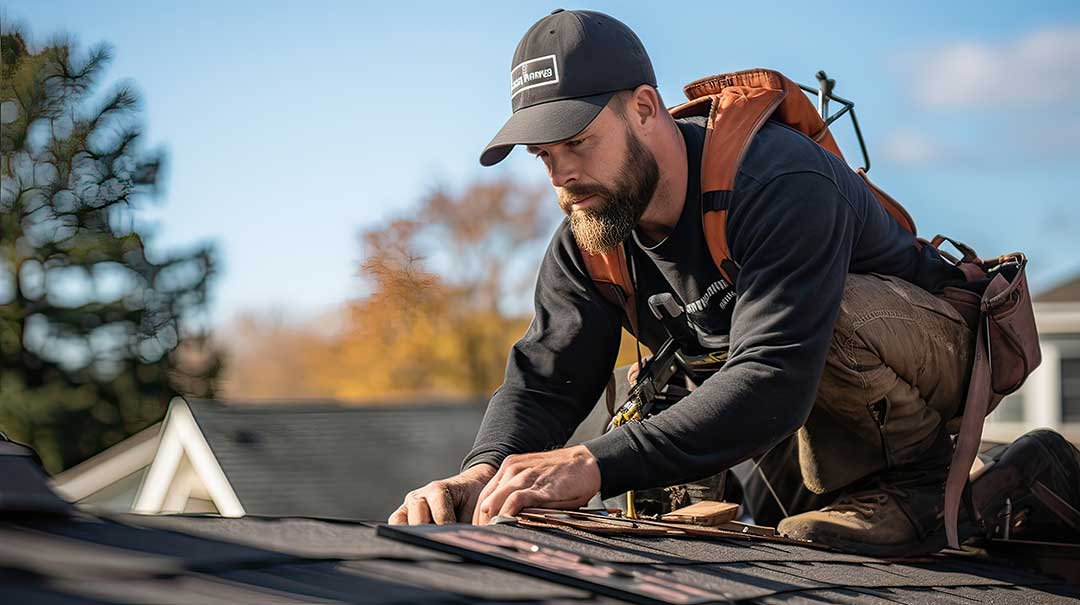
Usually, caution is appropriate. Asphalt shingles are designed as a complete roofing system with overlapping courses, granules, underlayment, ventilation, and flashing. Applying a coating may interfere with the intended surface, trap moisture, affect appearance, or make future inspections more difficult.
Some specialized products are marketed for shingle roofs, but suitability depends on the shingle type, age, condition, ventilation, and manufacturer requirements. Coating worn or brittle shingles can create the impression of renewal without restoring lost granules or damaged underlying materials.
For many homes with conventional sloped shingles, routine inspection, prompt flashing repairs, attic ventilation checks, and eventual replacement are more appropriate than broad coating application.
Which roofs are better candidates?
A coating is more likely to make sense when the roof:
- Has a low slope and a relatively continuous surface
- Is structurally sound
- Has limited, repairable damage
- Drains water effectively
- Has secure seams, edges, and penetrations
- Is made from a material compatible with the selected coating
- Can be cleaned and dried adequately before application
Metal roofs may benefit from coatings when surface rust, fasteners, seams, or thermal movement are addressed first. Membrane roofs can also be candidates, but the coating must be compatible with the specific membrane. A test area may be useful where adhesion is uncertain.
The condition of the roof matters more than the age alone. An older but stable roof may be a reasonable candidate, while a newer roof with trapped moisture or poor drainage may not be.
What should Greene, NY homeowners check before considering one?
Start by looking for evidence of active problems rather than focusing only on the coating itself. Warning signs include recurring interior stains, soft decking, sagging areas, persistent ponding, widespread blistering, loose flashing, heavy rust, or a roof surface that sheds large amounts of material.
Seasonal conditions deserve attention as well. Snow and ice can stress seams and edges, while freeze-thaw cycles can enlarge small cracks. Leaves and debris may collect around roof drains, valleys, and low points, creating moisture that remains beneath a coating if the surface is not prepared properly.
Before choosing a product, the key questions are:
- What roof material is already in place?
- Is the roof dry below the surface?
- Where does water drain, and does it remain after rain?
- Which repairs must be completed first?
- What temperature and weather conditions are required for curing?
- How will the coated roof be inspected and maintained?
- Will future repairs be compatible with the coating?
Safety is another practical concern. Roof surfaces can be slippery during application and after rain, and low-slope roofs may still have unprotected edges or fragile areas. Walking on an unfamiliar roof can cause damage or create a fall hazard.
A roof coating is best understood as a maintenance and restoration option for a suitable roof—not as a shortcut around diagnosis, drainage, repairs, or eventual replacement.
