
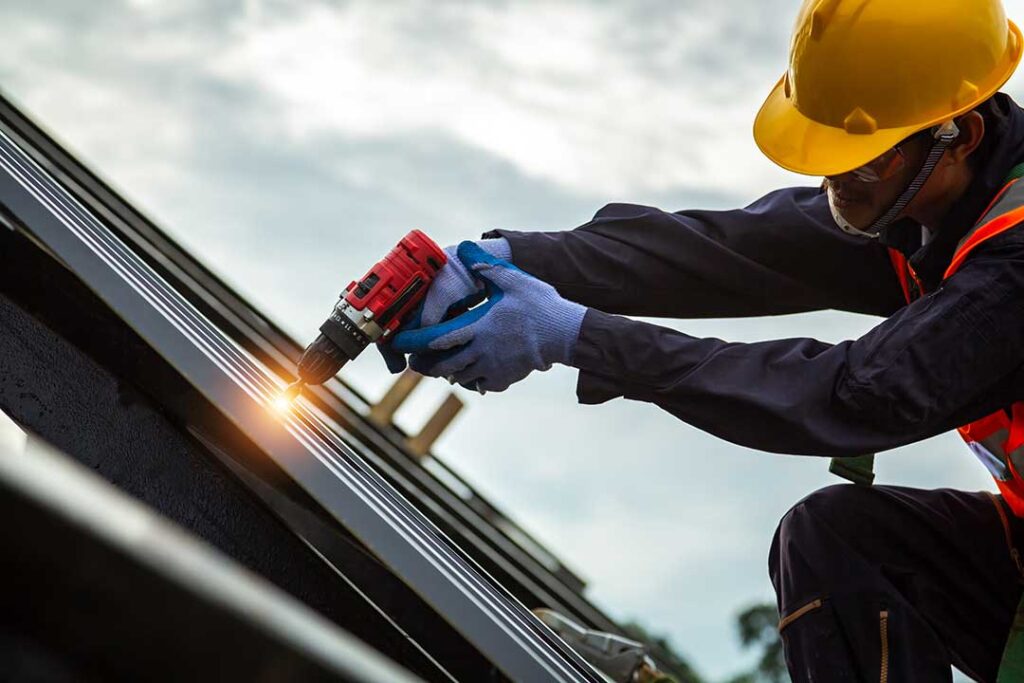
Roof decking is the structural surface beneath a roof’s underlayment and shingles or other roofing material. It connects the roof covering to the framing below, helps distribute weight, and provides a continuous surface for installation.
For homeowners in Greene, NY, understanding roof decking is especially useful because seasonal moisture, snow, ice, freeze-thaw cycles, and summer heat can all affect its condition. Decking is usually hidden from view, but its condition can determine whether a roof remains stable and dry.
What exactly is roof decking?
Roof decking, also called roof sheathing, is the layer installed over the rafters or roof trusses. The most common modern materials are:
- Plywood
- Oriented strand board, commonly called OSB
- Planks or boards on older homes
- Specialty structural panels in certain roof systems
The decking is not the same as shingles, underlayment, or insulation. It is part of the roof structure itself. Shingles protect the exterior from weather, underlayment provides an additional water-shedding layer, and decking creates the solid foundation beneath them.
Older houses may have closely spaced wood boards rather than large plywood or OSB panels. That construction can remain serviceable for many years, but it may require different repair methods when roof coverings are replaced.
Why does roof decking matter?
Sound decking helps keep the roof flat, stable, and properly fastened. It also supports workers during installation and provides the surface where roofing nails are driven.
Damaged decking can cause several problems:
- Roofing nails may not hold securely.
- Shingles can appear uneven or wavy.
- Soft areas may develop beneath the roof covering.
- Water can move into the attic or wall system.
- The roof may be less able to handle snow and wind loads.
- Repairs to the roof covering may fail prematurely.
A roof can have relatively new shingles and still have decking concerns. The visible roof covering does not always reveal what is happening underneath.
What causes roof decking to deteriorate?
Moisture is the most common cause of decking damage. A small leak around a flashing detail, vent, chimney, skylight, or roof edge can wet the same area repeatedly. Over time, the wood may swell, soften, discolor, or begin to decay.
Other causes include:
Long-term condensation
Warm, humid air from the living space can enter the attic and condense on cold roof surfaces. Poor ventilation, missing air sealing, bathroom exhaust problems, and blocked soffit vents can contribute to this condition.
In a cold-weather climate, repeated condensation can be particularly hard on decking because moisture may freeze and thaw throughout the season.
Ice dams
Ice dams form when heat escapes into the attic and melts snow on the warmer portion of the roof. Water can then refreeze near colder eaves and work beneath the roof covering. Repeated events may damage underlayment and decking.
Ice dams are not caused only by snow. They often indicate a combination of attic heat loss, uneven roof temperatures, ventilation limitations, and weather conditions.
Wind and storm damage
Strong winds can lift or loosen roofing materials, allowing water to reach the decking. Falling branches or heavy debris can also crack panels or puncture the roof system.
Age and repeated exposure
Wood naturally changes after decades of wetting and drying. Even without one major leak, long-term exposure can reduce its strength, especially around roof edges, valleys, and penetrations.
How can a homeowner recognize possible decking problems?
Most decking is hidden, so warning signs often appear elsewhere. Possible indicators include:
- A sagging or uneven roof plane
- Stains or dark marks on attic wood
- Soft or spongy areas felt during roof work
- Visible daylight through the roof deck
- Musty attic odors
- Nails or fasteners that pull out easily
- Shingles that dip, buckle, or appear irregular
- Repeated leaks in the same location
An attic inspection can reveal more than a ground-level view. Look for water staining, mold-like surface growth, rusted fasteners, damp insulation, or damaged wood. A stain does not always mean the decking is currently wet, but it does show that moisture reached the area at some point.
Do not walk on visibly weak decking. A person can fall through a deteriorated roof surface, particularly near a leak or roof edge.
Does all damaged decking need to be replaced?
No. Replacement depends on the extent and type of damage. A panel or board may need to be removed if it is structurally weakened, badly swollen, rotten, delaminated, or unable to hold fasteners.
Minor discoloration from an old, repaired leak does not automatically mean the wood has lost its strength. Dry, solid decking may remain usable even if it shows staining.
The key distinction is between appearance and structural condition. Darkened wood may be sound, while lightly discolored wood can be weak if it has been repeatedly exposed to moisture.
How is roof decking repaired?
During roof replacement or certain repairs, the decking is inspected after the existing roof covering is removed. Damaged sections are cut out or removed, and new material is installed over the framing.
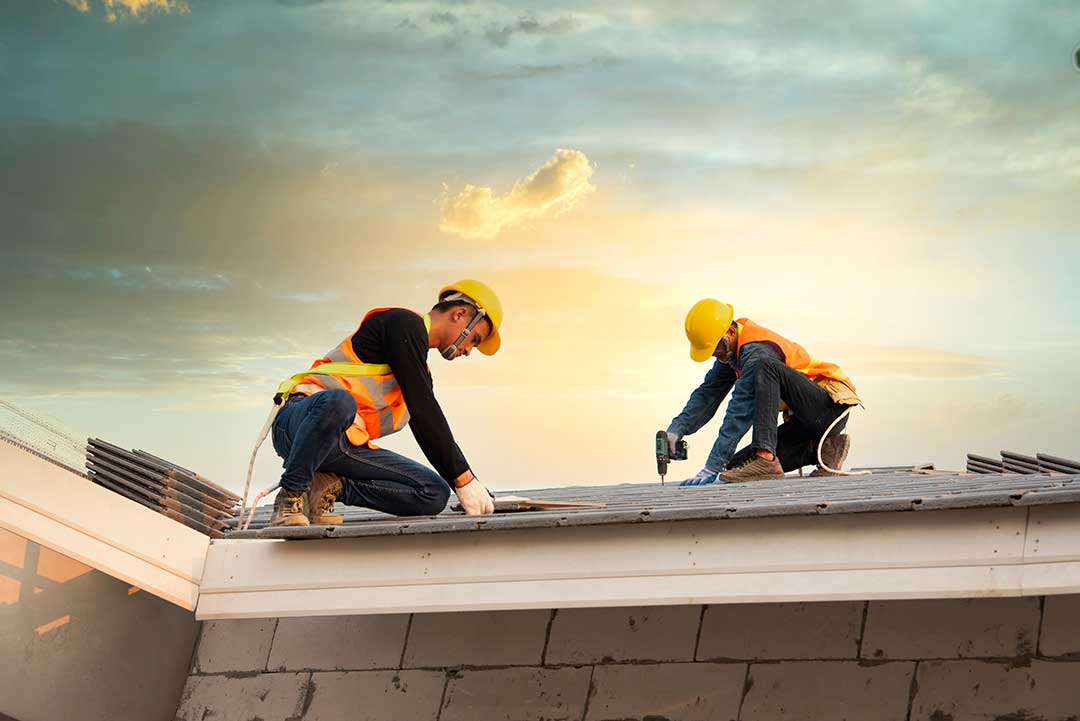
A proper repair generally requires:
- Cutting back to sound, supported edges
- Matching the thickness and structural characteristics of the existing material
- Fastening the replacement securely to rafters or trusses
- Maintaining a reasonably even roof surface
- Addressing the source of the moisture before covering the repair
Simply placing new material over soft decking does not restore the weakened section. It may hide the problem temporarily while leaving the underlying structural issue in place.
Older plank decking can require special attention. Boards may have gaps, irregular widths, splits, or movement caused by age. The selected roof covering and installation method must be compatible with that substrate.
Can new shingles be installed over old decking?
New roofing material can be installed only when the existing decking is sufficiently sound and suitable for the planned roof system. A roof covering does not strengthen wood that has lost its structural capacity.
If multiple layers of roofing have been installed over time, inspection can become more complicated. Older leaks may be hidden, and the added weight may affect the roof structure. Local building requirements may also limit how many roof-covering layers are allowed.
Requirements can vary by project and may depend on the type of roof, the existing materials, and the extent of repair. Structural or code questions should be evaluated before work begins, especially where the roof has visible sagging, extensive moisture damage, or unusual framing.
How can roof decking last longer?
Decking lasts longer when water and humid air are kept away from it. Practical maintenance includes:
- Keeping roof drainage paths clear
- Watching for damaged or missing roof-covering materials after storms
- Checking attic ventilation and air sealing
- Ensuring bathroom and kitchen exhaust vents discharge outdoors
- Inspecting areas around chimneys, vents, valleys, and roof edges
- Addressing recurring leaks rather than repeatedly covering stains
- Keeping heavy snow and ice conditions in mind during winter inspections
In Greene, NY, seasonal temperature changes make moisture management especially important. A roof that appears dry during summer may still have problems related to winter condensation or ice buildup.
What should be asked during a roof inspection?
Useful questions include:
- Is the decking solid enough to hold fasteners?
- Are there areas of rot, delamination, or swelling?
- Is the damage localized or widespread?
- What caused the moisture intrusion?
- Are attic ventilation or air-sealing issues contributing?
- Are the existing roof layers adding unusual weight?
- Will any repair affect the roof’s structural support or require code review?
Understanding the answers helps separate a roof-covering problem from a decking problem. It also makes clear whether the visible symptom is the source of the trouble or only the result of moisture below the surface.
