
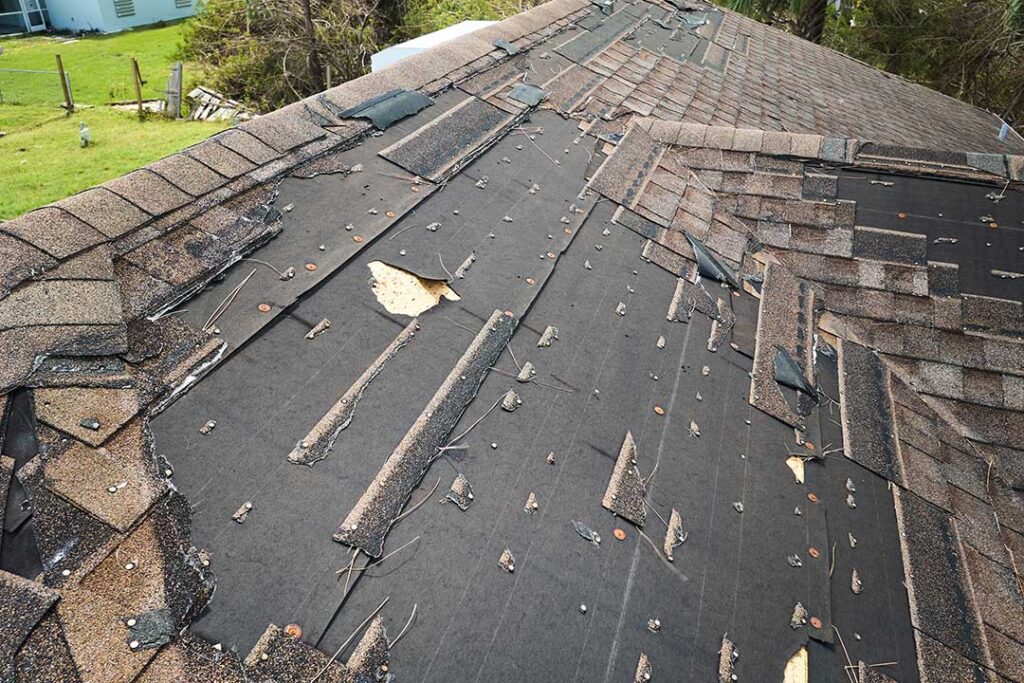
A roof tear-off is the removal of existing roofing materials before a new roof system is installed. For a homeowner in Greene, NY, the process usually involves more than taking off shingles: it may reveal worn decking, outdated flashing, moisture damage, or ventilation issues that were hidden beneath the surface.
Understanding the sequence can make the work less surprising and help households prepare for noise, debris, weather changes, and possible repairs.
What does a roof tear-off include?
A complete tear-off generally removes the visible roof covering and the underlayment beneath it, exposing the roof deck. On many homes, the roof covering consists of asphalt shingles installed over felt or synthetic underlayment.
The work may also involve removing or replacing:
- Ridge caps and starter shingles
- Drip edge along the roof perimeter
- Valley materials
- Step flashing around walls and chimneys
- Pipe boots and roof vents
- Skylight flashing or other roof penetrations
- Ice-barrier materials near eaves and vulnerable areas
The goal is to create a sound, inspectable surface for the replacement roof. Installing new materials over an unsuitable or heavily layered roof can hide defects and add unnecessary weight.
What happens before the crew starts?
Preparation usually begins with protecting the property. Workers may place tarps over landscaping, cover doors or windows near the work area, and position containers or temporary debris collection systems near the house.
Residents should expect substantial noise from walking on the roof, removing fasteners, handling materials, and using tools. The loudest activity often occurs during the initial removal phase.
Before work begins, practical preparations include:
- Moving vehicles away from the house or driveway
- Taking fragile items from shelves and walls, especially on upper floors
- Covering items in an attic or storage area
- Clearing outdoor furniture, toys, planters, and decorations
- Keeping pets indoors and away from work zones
- Making sure children do not enter areas where nails or debris may fall
Vibration from roof work can cause small amounts of dust to shift in attics or ceilings. That does not necessarily indicate structural damage, but it is one reason to protect stored belongings.
How are the old shingles removed?
Removal typically starts near the roof edges and proceeds upward in sections. Shingles, nails, underlayment, and deteriorated accessories are stripped away and lowered or moved into a debris container.
Roof tear-off is not simply a matter of pulling off loose shingles. Roofing materials are fastened with many nails, and some may remain in the decking after removal. A careful cleanup and inspection are needed before new materials are installed.
The exposed roof may look rough temporarily. Dark nail marks, small holes, old sealant, and variations in the wood surface are common findings. The important question is whether the deck remains strong, dry, and adequately attached.
What if damaged roof decking is discovered?
Roof decking is the structural surface beneath the roofing materials. It may consist of plywood, oriented strand board, boards, or another approved material depending on the age and construction of the house.
During a tear-off, workers may find decking that is:
- Soft or spongy from long-term moisture exposure
- Darkened or deteriorated around roof penetrations
- Split, delaminated, or broken
- Improperly supported between framing members
- Weakened by repeated leaks or old fastener holes
Damaged sections generally need to be replaced or repaired before the new roof is installed. Covering visibly deteriorated decking can leave weak attachment points and may allow future movement or leaks.
Unexpected decking repairs are one of the main reasons the final scope of roof work can differ from what was visible from the ground. A roof inspection before the tear-off can identify many concerns, but concealed damage cannot always be confirmed until the old materials are removed.
How long does a tear-off take?
A straightforward roof tear-off and replacement may be completed in a day or several days, depending on roof size, pitch, weather, access, crew size, and the number of existing layers.
The tear-off portion is often completed faster than the full replacement, but it can take longer when the roof has multiple layers, steep sections, difficult access, or extensive repairs. Older homes may also contain several generations of roofing materials or unusual framing details.
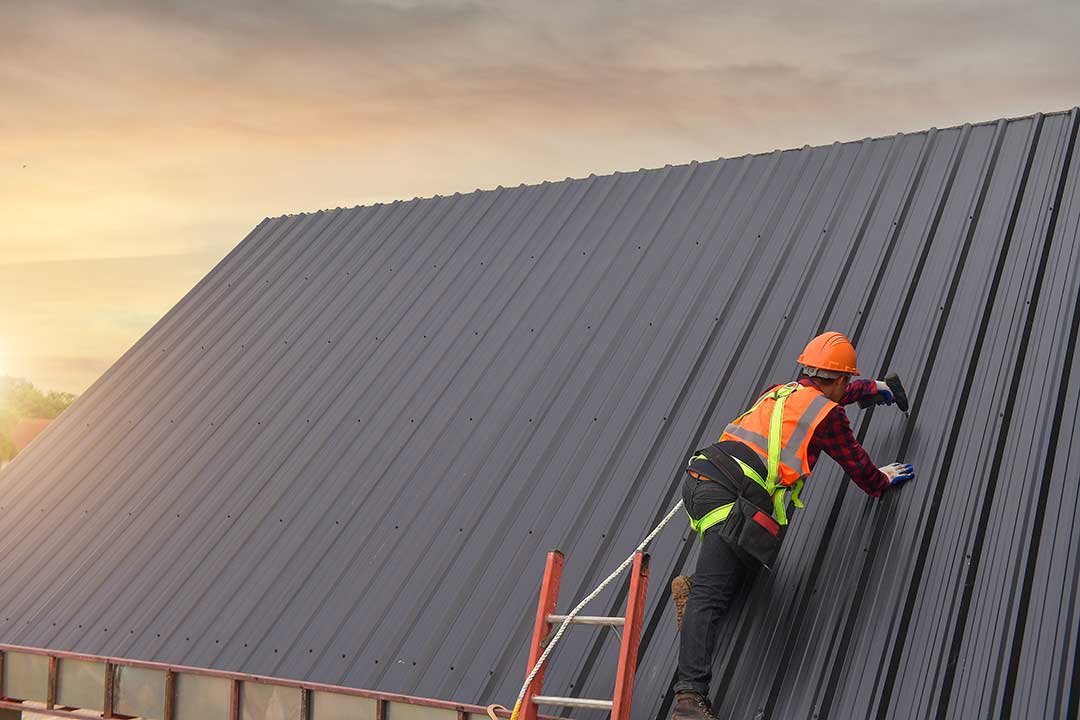
Weather is a significant factor in Greene. Rain can interrupt exposed-roof work, and snow, ice, high winds, or cold temperatures can affect worker safety and material installation. A temporary protective covering may be used if the roof cannot be completed before weather changes.
What happens if rain is expected?
A roof should not be left unprotected when rain is likely. During a tear-off, the roof deck is temporarily exposed, so work is normally organized in sections that can be covered or completed within the available weather window.
Temporary protection may include heavy-duty tarps or other coverings secured to limit water entry. Even with precautions, residents should watch for signs of moisture in the attic or upper ceilings after unexpected weather.
A newly installed roof also needs proper conditions for materials to seal and perform correctly. Cold weather may slow the bonding of asphalt shingles, while wet surfaces can interfere with underlayment and flashing installation. The exact limits depend on the roofing materials and installation requirements.
What local conditions should homeowners consider?
Homes in the area must deal with changing seasons, freeze-thaw cycles, heavy rain, snow, ice, and occasional strong winds. These conditions make details such as flashing, drainage, ventilation, and secure fastening especially important.
Ice buildup near roof edges can contribute to water backing up beneath shingles when ventilation, insulation, or air sealing is inadequate. A tear-off provides an opportunity to inspect vulnerable eaves and valleys, but it does not automatically correct attic moisture or insulation problems.
Gutters and downspouts also deserve attention during the project. Roof debris can enter the drainage system, and altered roof-edge materials may affect how water moves into the gutters. After the work is complete, gutters should be cleared and checked for proper flow.
Does a roof tear-off require permits?
Roof replacement requirements are governed by New York State building regulations and may also involve local administrative procedures. Requirements can vary depending on the type of work, the building, and whether structural repairs or other alterations are included.
A basic replacement is not the same as adding a dormer, changing the roof structure, modifying the building footprint, or repairing major structural damage. Those changes may trigger additional code requirements.
The New York residential code generally treats roof replacement as removal of existing roof coverings down to the roof deck, while limited roof recovery may be allowed under specific conditions. A roof with excessive layers, water-soaked materials, or an unsuitable existing covering may not qualify for another layer over the top.
What should be checked after the tear-off?
Before new roofing is installed, the exposed surface should be reviewed for several conditions:
- Sound and properly fastened roof decking
- Correct roof slope and drainage
- Secure fascia and roof edges
- Sound chimney, wall, and valley flashing
- Proper placement of vents
- Signs of attic moisture or inadequate ventilation
- Areas where plumbing or electrical components pass through the roof
A tear-off is also a useful point to document hidden conditions with photographs. Records can help explain why repairs were needed and provide a reference for future maintenance.
What should cleanup look like?
Roofing debris can include shingles, nails, underlayment, wood fragments, and metal flashing. Cleanup should cover the roof, gutters, walkways, driveway, and nearby landscaping.
A magnetic tool may collect many loose nails from paved and lawn areas, although no cleanup method guarantees that every small fastener will be found immediately. Residents should use caution around the property for several days and inspect areas where children or pets spend time.
The finished roof should have even lines, secure edge materials, properly sealed penetrations, clear gutters, and no visible debris. A final walk-around is helpful, especially after the first substantial rain or wind.
