
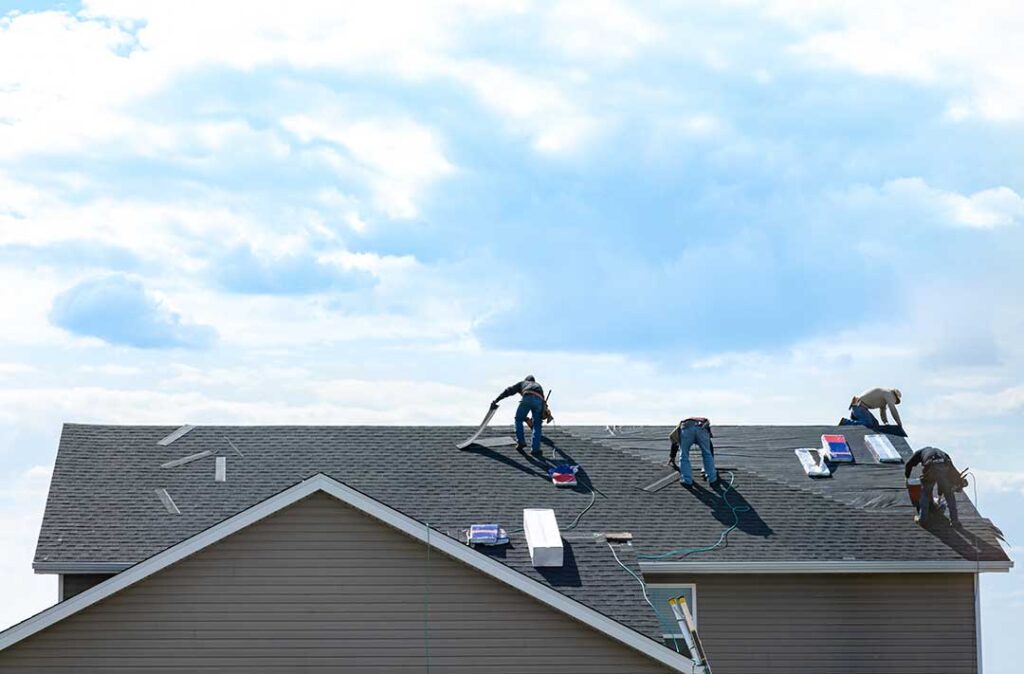
Proper attic insulation does more than slow heat loss. In Greene, NY, where homes must manage cold winters, snow, wind, and changing seasonal temperatures, a well-insulated attic can improve comfort, reduce moisture risks, and help protect the roof structure.
Insulation works best as part of a complete attic system. The system should include adequate insulation, careful air sealing, proper ventilation, and correction of roof or moisture problems before materials are added.
What does attic insulation actually do?
Attic insulation slows the movement of heat between the living space and the attic. During winter, it helps keep heated indoor air inside the home. During summer, it reduces the amount of heat moving down through the ceiling.
Without enough insulation, heat can escape through the ceiling and roof framing. Rooms below the attic may feel colder, heating equipment may run more often, and upper-floor temperatures can become uneven.
Insulation also helps keep the attic floor and ceiling surfaces warmer. That matters because warm, moist indoor air can condense on cold surfaces. Over time, condensation may contribute to damp insulation, wood deterioration, mold growth, or staining on ceilings.
Is insulation alone enough?
No. Insulation and air sealing perform different jobs.
Insulation slows heat transfer, while air sealing blocks uncontrolled air movement. A small opening around a plumbing pipe, electrical wire, recessed light, attic hatch, chimney, or duct can allow warm indoor air to enter the attic.
That moving air can carry moisture with it. In a cold attic, the moisture may condense on roof sheathing, nails, framing, or other cold surfaces. Adding more insulation without addressing major air leaks can leave the moisture problem unresolved.
Common areas that may need air sealing include:
- The attic access panel or pull-down stairs
- Gaps around plumbing and electrical penetrations
- Ceiling light fixtures and bathroom exhaust fans
- Openings around chimneys or flues, using materials appropriate for heat clearance
- Top plates, partition walls, and dropped soffits
- Duct registers and mechanical penetrations
Air sealing should not block required combustion-air openings or create unsafe conditions around heating equipment.
How much insulation should an attic have?
The correct amount depends on the home’s construction, insulation type, existing depth, and the applicable energy code or improvement standard. In many cold-climate homes, the target is substantially deeper than the thin layer found in older attics.
Homeowners should look for areas where insulation is:
- Missing or noticeably thin
- Compressed or uneven
- Darkened by dust, which may indicate air movement
- Wet or stained
- Pulled away from the edges of the attic
- Blocking ventilation channels at the eaves
Insulation depth is only one part of the assessment. A deep layer that is poorly distributed may perform worse than a continuous layer with fewer gaps.
Different materials also have different characteristics. Fiberglass batts, blown fiberglass, cellulose, and rigid or spray-applied products can all be appropriate in specific assemblies. The best choice depends on access, moisture conditions, fire-safety requirements, ventilation, and whether the attic floor or roofline is being insulated.
Why does attic ventilation matter in Greene?
A vented attic typically relies on outdoor air entering near the eaves and leaving through high roof vents. This airflow helps remove heat and moisture from the attic.
Insulation should not be packed into soffit vents or pressed tightly against the roof edge if doing so blocks airflow. Baffles or ventilation chutes can preserve a channel between the insulation and roof sheathing.
Proper ventilation does not replace air sealing. A sound cold-climate attic generally needs both:
- Air sealing at the boundary between the home and attic
- Insulation across that boundary
- Unblocked ventilation paths when the attic is designed to be vented
The combination helps limit moisture entering from the house while allowing the attic to dry and release heat.
Can better insulation reduce ice dams?
It can help reduce the conditions that contribute to ice dams, but it cannot guarantee that ice dams will never form.
Ice dams develop when heat escaping from the home warms portions of the roof, causing snow to melt. Water then moves toward colder roof edges, where it can refreeze. Repeated melting and refreezing may allow water to collect beneath roofing materials.
Improving attic insulation and air sealing can reduce heat escaping through the ceiling. Good ventilation may also help keep the roof surface more evenly cold. However, roof shape, snow depth, shade, wind exposure, roof drainage, and weather patterns also affect ice-dam risk.
Insulation should not be used to cover evidence of an active roof leak. Wet roof decking, damaged flashing, or recurring ceiling stains should be addressed before the attic is insulated.
What attic problems should be corrected first?
Roof and moisture repairs should come before insulation work. Insulation can hide problems and make future inspection more difficult.
Warning signs include:
- Water stains on the underside of the roof
- Damp or compressed insulation
- Musty odors
- Mold-like growth
- Frost on nails or roof sheathing during cold weather
- Rusted fasteners
- Damaged roof decking
- Bathroom or kitchen exhaust discharging into the attic
- Condensation around ducts or vents
Bathroom exhaust fans should discharge outdoors through properly installed ductwork, not into the attic. Indoor humidity from bathing, cooking, drying clothes, and ordinary occupancy can become a significant moisture source during winter.
Does attic insulation help in summer?
Yes. Insulation slows heat entering the home through the roof during sunny weather. This can make upper-floor rooms more comfortable and reduce the workload on cooling equipment.
Ventilation can also help remove accumulated attic heat, but it does not eliminate the need for insulation. A well-ventilated attic with inadequate insulation may still transfer substantial heat into the rooms below.
Air sealing matters during summer as well. It limits hot attic air from entering the living space through ceiling penetrations and gaps around the attic access.
Should an attic be insulated at the floor or along the roofline?
For many homes with an unused, vented attic, insulation is installed across the attic floor. This keeps the attic outside the home’s conditioned space.
Insulating along the roofline may be appropriate when the attic is being converted into living space, when heating and cooling equipment or ductwork is located there, or when the roof assembly is intentionally designed as an unvented system.
These approaches require different moisture-control details. Simply adding insulation between rafters without planning for ventilation, air control, and roof-deck drying can create problems.
What should homeowners check after insulation is installed?
The attic should remain accessible for future inspection. Homeowners should be able to verify that:
- Ventilation openings remain clear
- The insulation layer is continuous
- The attic hatch is insulated and weatherstripped
- Exhaust ducts still terminate outdoors
- Recessed fixtures and chimneys have proper clearances
- No roof leaks are being concealed
- Electrical junctions and equipment remain accessible where required
A periodic attic inspection is especially useful after major storms, heavy snow, roof work, or the appearance of ceiling stains. In older homes, insulation conditions may vary from one section to another, particularly around additions, dormers, knee walls, and areas altered during previous renovations.
Proper attic insulation is therefore not just a matter of adding material. It is a coordinated approach to heat control, air movement, moisture management, ventilation, and roof protection. For homes in Greene, getting those details right can make the upper floors more comfortable while helping the roof assembly remain dry and durable through changing seasons.
