
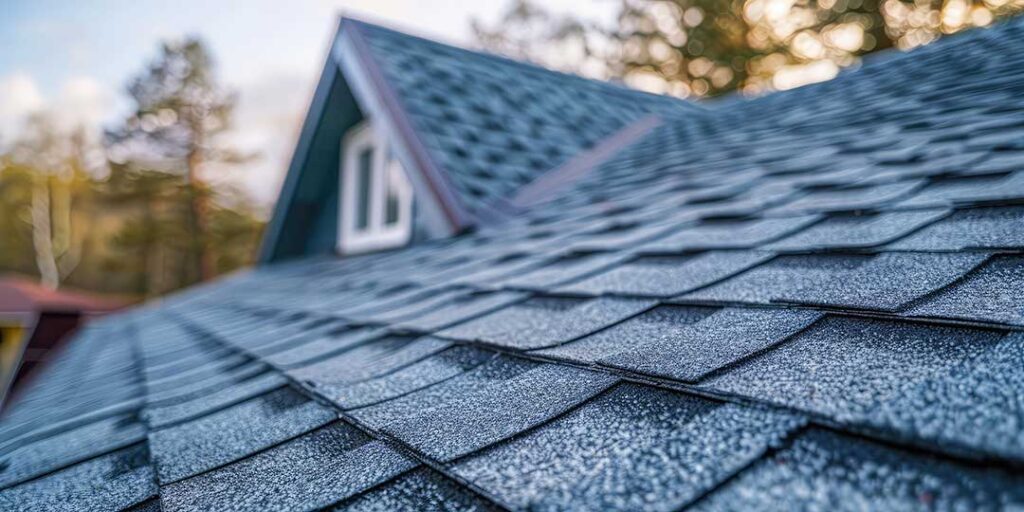
Replacing only part of an asphalt-shingle roof can be more complicated than matching a color from a sample. The replacement shingles must also be compatible with the existing roof’s style, exposure, dimensions, age, weathering, and installation pattern. For homeowners in Greene, NY, seasonal temperature changes, winter moisture, wind, and algae or surface staining can make an imperfect match more noticeable over time.
Can replacement shingles ever match the existing roof perfectly?
Usually, no. Even shingles from the same manufacturer and color line may look different after several years of sun, rain, snow, airborne debris, and normal aging. A close match is possible, but an invisible repair is not always realistic.
The existing shingles may have:
- Faded from ultraviolet exposure
- Darkened from dirt or biological growth
- Lost some of their original granule coverage
- Become brittle or slightly curled
- Changed appearance because nearby roof sections weathered differently
- Been discontinued or replaced by a newer product design
A replacement shingle that looks slightly different when new may blend more closely after weathering. However, a major difference in color, profile, or size can remain visible.
What information should be gathered before buying shingles?
The most useful starting point is the existing shingle’s physical characteristics, not just its color. If a leftover bundle, roofing receipt, or installation record is available, it can help identify the product.
Check for:
- Manufacturer and product name
- Color name or color number
- Shingle type, such as three-tab or architectural
- Approximate shingle dimensions
- Exposure, meaning the visible portion of each shingle
- Number of layers already installed
- Roof section where the replacement will be used
- Approximate installation year
The roof’s age matters because product lines change. A shingle sold several years ago may have the same general color name but a different blend of granules, shadow pattern, thickness, or tab arrangement.
If no records remain, a clean sample from the roof can be compared with current products. Samples should be viewed outdoors in natural light because indoor lighting can make colors appear warmer, cooler, darker, or lighter than they look on the roof.
Why is shingle profile as important as color?
A shingle can have a similar color but still look wrong if its shape and thickness do not match. Three-tab shingles generally have a regular, repeating pattern. Architectural shingles have a dimensional surface with varied shadow lines and may be thicker or heavier.
Important profile details include:
- Shingle width and height
- Visible exposure
- Butt-edge shape
- Thickness
- Shadow pattern
- Number and placement of tabs
- Surface texture
- Nail-line location
Mixing different profiles in the same repair area can create uneven rows, raised edges, exposed fasteners, or gaps. It can also interfere with the way water runs across the shingles.
Matching the existing installation pattern is especially important where a damaged section meets intact shingles. A replacement should fit into the same course layout rather than forcing the surrounding shingles into a new pattern.
How can homeowners find the exact shingle color?
The best evidence usually comes from a combination of records and physical comparison. A color name alone is not enough because colors can vary between product generations, manufacturing periods, and regional availability.
Useful comparison methods include:
- Photographing the roof in indirect daylight
- Comparing a loose shingle with current samples outdoors
- Looking at several undamaged areas instead of only one weathered spot
- Checking shaded and sun-exposed slopes separately
- Examining the granule blend rather than the overall color from a distance
- Comparing the replacement against the shingle’s visible lower portion
Do not rely only on a photograph taken with a phone. Cameras can change color balance, and automatic exposure may make a roof appear darker or lighter than it is. A physical sample placed next to the existing shingles gives a more dependable comparison.
Should a repair use shingles from another part of the roof?
Sometimes, but removing shingles from one area to repair another can create a second damaged area. It may also be difficult if the existing shingles are brittle, tightly sealed, or adhered to underlayment.
Salvaging shingles is most practical when:
- The roof is relatively new
- The shingles can be lifted without tearing
- The original product is no longer available
- A less visible roof slope can supply matching pieces
- The repair area is small
Older shingles may crack when their adhesive strips are separated. Cold weather can make them less flexible, while hot weather can make the sealant more adhesive. Greene’s seasonal temperature swings mean that the condition of the shingles should be considered before attempting removal.
What if an exact match cannot be found?
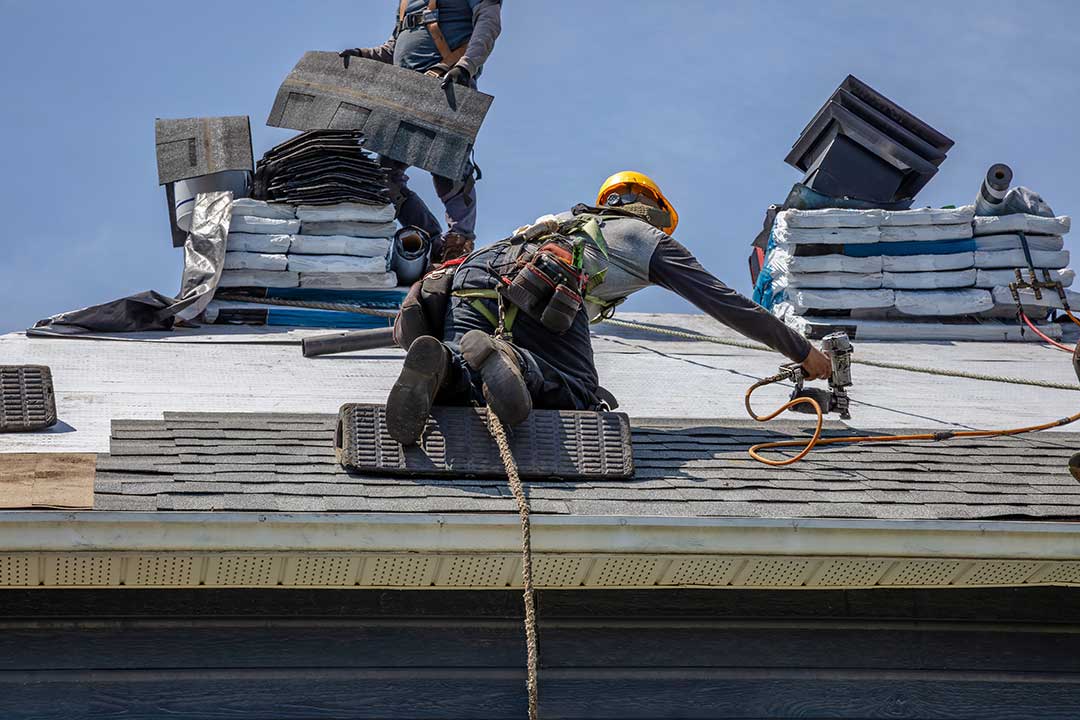
If the original product has been discontinued, the goal becomes making the repair orderly and visually balanced rather than pretending the roof is unchanged.
Possible approaches include:
- Replacing shingles across a clearly defined section
- Using a close match on a less prominent slope
- Replacing an entire roof plane when the difference would otherwise be distracting
- Selecting a compatible color and profile rather than matching color alone
- Using salvaged original shingles where they remain serviceable
A small patch with a slightly different color may be less noticeable than scattered replacement shingles across several roof slopes. A larger, intentional section can sometimes look more consistent than isolated repairs.
The best choice depends on the roof’s age, the number of damaged shingles, the visibility of the area, and whether the surrounding shingles are still in good condition.
Can new shingles be mixed with old shingles?
New and old shingles can sometimes be used together for a limited repair, but compatibility is essential. The replacement shingles should have a similar size, profile, exposure, and installation method. Mixing products with different thicknesses or locking arrangements can create weak or uneven areas.
There are also practical limitations. Old asphalt shingles may have lost flexibility and sealing strength. A new shingle may not lie flat over a weathered roof surface, especially if the surrounding shingles have curled or the underlying deck has moved.
A repair is less likely to blend successfully when:
- The existing roof has widespread granule loss
- Shingles are brittle or cracking
- Multiple layers are present
- The roof has visible waves or uneven decking
- The replacement is a noticeably different profile
- The roof is near the end of its serviceable life
In those conditions, matching individual shingles may solve the appearance of one damaged spot without addressing broader roof deterioration.
How do weather and roof orientation affect the match?
Different roof slopes age at different rates. A south- or west-facing slope may fade faster because it receives more direct sunlight. Shaded areas may retain color longer but can develop more surface staining or moss-like growth in persistently damp conditions.
Roof sections near trees, chimneys, valleys, or roof edges may also weather differently because of falling debris, runoff, wind exposure, or slower drying. A replacement chosen from an unweathered sample may not match the most exposed slope.
Before comparing shingles, the roof should be viewed from ground level and from nearby sightlines. A match that looks acceptable close up may be more noticeable from the street, a yard, or an upper window.
When is a full section replacement more practical?
Replacing a defined roof section may make more sense when many shingles are damaged, the exact product is unavailable, or the existing shingles are too fragile to disturb individually.
A section replacement can provide:
- More consistent color and pattern
- Fewer isolated patches
- A simpler installation layout
- Less handling of brittle surrounding shingles
- A clearer boundary between old and new material
It still needs to be integrated carefully with existing flashing, valleys, ridges, wall intersections, and underlayment. Water-shedding details matter more than visual blending alone.
What safety and installation issues should not be overlooked?
Roof repairs involve fall hazards, concealed fasteners, sharp shingle edges, and surfaces that can become slippery from frost, rain, or granule loss. Winter conditions and spring thaw can make roof access particularly unsafe.
A repair also needs correct nails, spacing, overlap, sealant placement, and flashing treatment. Improper fastening or damaged underlayment can allow leaks even when the replacement shingles appear to match.
For that reason, homeowners should limit close inspection to safe ground-level observations unless the roof can be accessed without exposure to a fall hazard. Matching materials is only one part of a sound repair; the replacement must also preserve the roof’s water-shedding design.
