
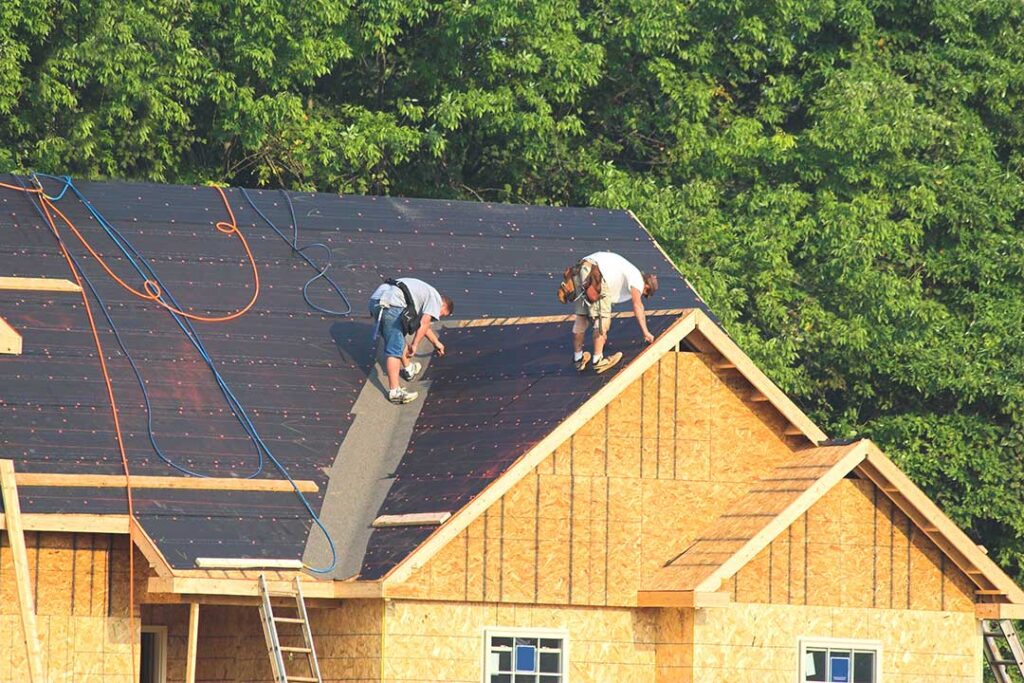
A new roof can improve a home’s marketability, protect its condition, and reduce concerns during an inspection. It does not automatically add the full replacement cost to the sale price, but it can prevent larger losses when an aging or damaged roof would otherwise reduce buyer interest.
Does a new roof increase home value?
Usually, a new roof supports home value more by improving condition and reducing risk than by creating a dollar-for-dollar return. Buyers generally understand that roofing is a major expense, so a recently completed roof can make a property feel more predictable and easier to maintain.
The effect is often strongest when the existing roof has visible problems, such as:
- Missing, curled, cracked, or heavily worn shingles
- Water stains on ceilings or attic framing
- Sagging roof lines
- Deteriorated flashing around chimneys, vents, or roof edges
- Repeated temporary repairs
- Evidence of leaks or moisture damage
If the old roof is already near the end of its useful life, replacement may help preserve the home’s value. If the existing roof is still functioning well, replacing it solely to raise the selling price may produce a smaller financial benefit.
Why does roofing condition matter to buyers?
A roof is one of the home’s main protective systems. Buyers are not only considering appearance; they are also thinking about the possibility of leaks, damaged insulation, mold, interior repairs, and an unexpected major expense soon after closing.
A newer roof can make the property easier to evaluate because its remaining service life is more apparent. Documentation showing when the work was completed, what materials were used, and whether permits were obtained can also reduce uncertainty.
In Greene, NY, seasonal weather makes roof condition especially relevant. Snow, freezing temperatures, ice formation, wind, and repeated wet-dry cycles can expose weaknesses in shingles, flashing, drainage, and attic ventilation. A roof that appears acceptable from the ground may still have concealed deterioration.
Will a new roof recover its full cost?
Not necessarily. Home improvements rarely return their exact cost in the form of a higher sale price. The financial result depends on the roof’s previous condition, the home’s overall condition, local buyer expectations, material quality, and the timing of the sale.
A new roof may provide value in several different ways:
- It can support a stronger asking position compared with similar homes needing immediate roof work.
- It may reduce requests for repairs or credits during negotiations.
- It can help prevent a buyer from withdrawing after an inspection.
- It may make financing and insurance discussions easier.
- It protects the structure from water damage that could reduce value far more than the roof replacement alone.
The improvement is often best understood as a combination of added appeal and avoided loss. A roof in poor condition can create a discount larger than the cost of the roof itself if buyers also anticipate damaged decking, insulation, ceilings, walls, or framing.
How does a roof affect an appraisal?
An appraiser considers the roof as part of the property’s overall condition. A new roof may contribute to a more favorable condition assessment, particularly when comparable homes have older or visibly deteriorated roofs.
However, an appraisal is not a reimbursement calculation. The appraised value reflects the home as a whole, including location, size, layout, updates, maintenance, and comparable sales. A new roof alone does not guarantee a specific increase.
If the roof is visibly failing, the issue may be more serious than a simple value adjustment. An appraiser or lender may require repairs or further documentation before a transaction can proceed. This is one reason roof condition can influence whether a home sells smoothly, even when the replacement does not produce a matching increase in appraised value.
Is replacing a roof before selling always a good idea?
No. The right decision depends on the roof’s condition and the likely timing of the sale.
Replacement may deserve serious consideration when the roof has active leaks, widespread deterioration, exposed underlayment, or a short remaining service life. It may also be practical when several buyers would likely raise the same concern during inspections.
Waiting may be reasonable when the roof is serviceable, inspections show no significant problems, and the cost of replacement would not meaningfully improve the home’s position compared with other needed updates.
A roof should be evaluated alongside other deficiencies. Correcting active water intrusion may be more valuable than installing premium materials, while improving attic ventilation or drainage may help protect a roof that does not yet need replacement.
What roof features matter most for value?
Buyers usually respond more positively to sound workmanship and appropriate installation than to unnecessary upgrades. The following details tend to matter:
Proper installation
A roof that is correctly installed, securely flashed, and properly ventilated is more valuable than one that simply looks new. Poor installation can lead to premature failure, even when the covering itself is recently installed.
Appropriate materials
The material should suit the roof design, slope, exposure, and local weather conditions. A visually attractive product is not automatically a better choice if it is incompatible with the structure or installed over an inadequate surface.
Complete roof-system condition
Shingles or other roof coverings are only one part of the system. Buyers may also be concerned about:
- Roof decking
- Underlayment
- Flashing
- Valleys
- Eaves and rake edges
- Gutters and downspouts
- Attic ventilation
- Chimney and plumbing-vent details
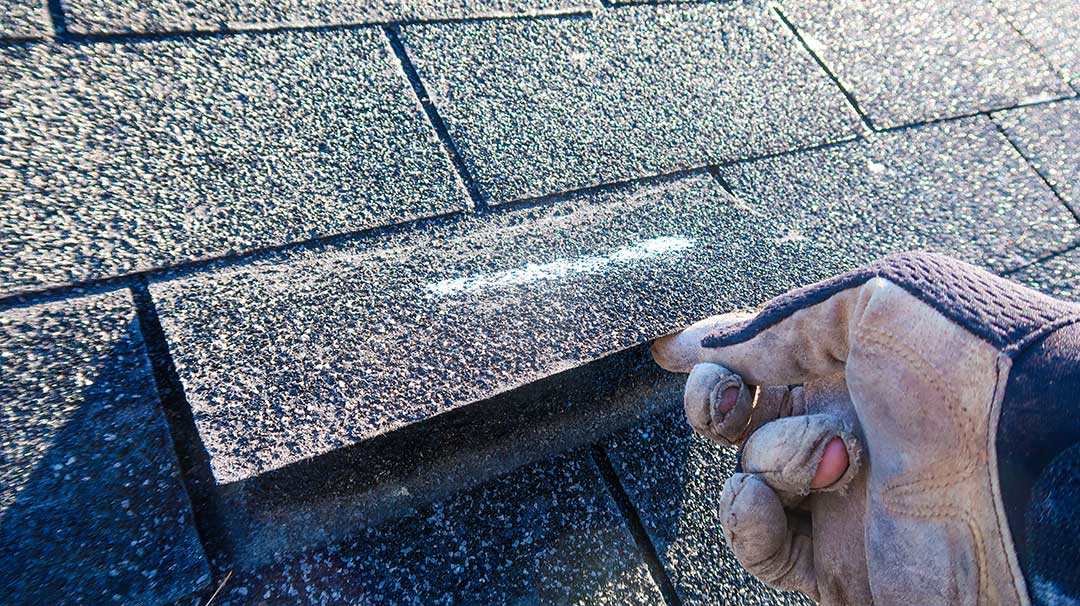
Replacing the covering while leaving underlying moisture damage unresolved will not provide the same value as a complete, properly evaluated repair.
Consistent appearance
A uniform roof generally presents better than scattered repairs or mismatched sections. This does not mean every older roof requires replacement, but visible patchwork can signal continuing maintenance issues.
Do permits and records affect resale value?
They can. The Town and Village of Greene states that permits are required for roof replacement and roof recover work, with enforcement under the New York State Existing Building Code. Keeping permit information and completion records can help demonstrate that the work was completed through the proper process.
Useful records may include:
- Permit approval
- Final inspection information, when applicable
- Date of completion
- Scope of work
- Material and ventilation details
- Receipts and transferable documentation
- Before-and-after photographs
- Information about any decking or structural repairs
Records do not guarantee a higher appraisal, but they make the roof’s history easier to verify. Unpermitted work can create questions during a sale and may complicate compliance, insurance, or financing discussions.
What should homeowners consider before replacing a roof for resale?
First, determine whether the roof needs replacement or whether targeted repairs can reasonably extend its service life. A roof evaluation should distinguish cosmetic wear from active failure.
Next, consider the home’s broader condition. A new roof may have limited effect if major concerns remain with drainage, foundation moisture, windows, heating equipment, electrical systems, or interior damage.
Finally, avoid selecting materials only for a perceived resale premium. A durable, code-compliant, well-installed roof that suits the home is generally more useful than an expensive upgrade that does not fit the property or surrounding market.
For area households, the practical value of a new roof is often greatest when it protects the home, removes a major inspection concern, and gives future owners a clearer understanding of the property’s condition. That combination can support value even when the replacement cost is not fully reflected in the final sale price.
