
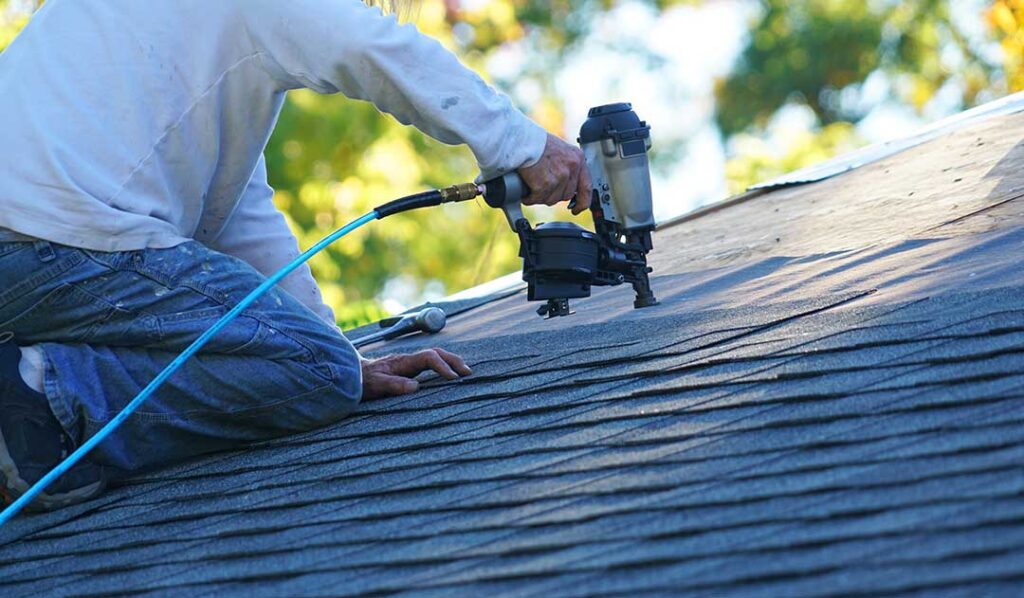
Old roofing materials do not all belong in the same waste stream. Asphalt shingles, metal flashing, wood components, insulation, underlayment, and possible asbestos-containing materials each require different handling. For residents of Greene, NY, the most responsible approach is to identify the material, keep reusable and recyclable items separated, and confirm that the receiving facility accepts the specific load.
Can asphalt shingles be recycled?
Yes. Clean, uncontaminated asphalt shingles may be accepted at construction and demolition debris facilities for processing. Recycled shingles can be used in asphalt pavement, aggregate, or other construction-related applications, depending on the facility and the material’s condition.
Recycling is most practical when shingles are kept separate from household garbage and other demolition debris. Before transporting a load, remove as much of the following as possible:
- Loose trash
- Cardboard and plastic packaging
- Excess wood
- Large pieces of insulation
- Household chemicals
- Soil, food waste, and other contaminants
Roofing felt or paper may be accepted with asphalt shingles at some construction and demolition debris facilities, but acceptance rules vary. A facility may also have limits on load size, contamination, or the type of roofing material it processes.
Shingles covered with heavy moss, excessive dirt, chemical residue, or other debris may be rejected or treated as general construction waste rather than recyclable material.
What should be done with old metal roofing and flashing?
Metal roofing, aluminum edging, copper flashing, gutters, drip edge, and fasteners are generally valuable recyclable materials when separated from other debris. Steel and aluminum should be placed in a dedicated pile instead of mixed into bags of shingles.
Remove attached materials when practical, including:
- Wood strips
- Plastic membranes
- Foam insulation
- Large amounts of roofing cement
- Excessive nails or screws
Small amounts of nails usually do not prevent metal recycling, but sharp edges can injure anyone handling the material. Stack sheets carefully, keep them flat when possible, and cover or secure them during transport.
Metal roofing that is heavily coated with tar, paint, or unknown substances may require separate instructions. The material should not be burned, buried, or placed in a curbside recycling bin.
Can wood from a roof be reused or recycled?
Some roofing wood can be reused, but it must be clean and free of hazardous coatings or contamination. Sound lumber from roof framing, blocking, or old sheathing may be suitable for another construction or repair project if it is dry, structurally sound, and free of rot.
Wood that is broken, water-damaged, painted, pressure-treated, or attached to large amounts of roofing material may not qualify for clean-wood recycling. Plywood, oriented strand board, and other manufactured panels are often handled differently from untreated dimensional lumber.
Keep wood separate from shingles whenever possible. A mixed load may be accepted as construction and demolition debris, but separating materials gives recyclable items a better chance of being recovered.
What happens to roofing felt, underlayment, and ice-and-water membrane?
Roofing felt, synthetic underlayment, rubberized membranes, and ice-and-water products are more difficult to recycle than metal or asphalt shingles. Some construction and demolition facilities accept roofing paper with asphalt shingles, while others send these materials to disposal.
Keep rolls and sheets dry and separate from ordinary household trash. Do not place roofing membranes in curbside paper or plastic recycling containers. Their layered construction, adhesives, asphalt, and synthetic fibers can contaminate those recycling systems.
If the material is stuck to shingles, plywood, or insulation, it may be handled as part of a construction debris load. Facility instructions should be checked before delivery, especially if the material comes from a large reroofing project.
How should old roofing materials be sorted before transport?
Sorting at the property makes disposal safer and can reduce unnecessary landfill use. A simple system may include separate piles or containers for:
1. Asphalt shingles and roofing paper
2. Clean metal
3. Reusable wood
4. Other construction debris
5. Insulation and foam products
6. Suspicious or potentially hazardous materials
Keep loads covered so wind and rain do not spread lightweight underlayment, insulation, or shingle fragments along roads. Use sturdy containers, tie-downs, and gloves suitable for sharp materials. Roofing debris often contains exposed nails, splintered wood, and brittle fragments that can cause puncture injuries.
Avoid overloading a pickup or trailer. Heavy shingles can create an unsafe load even when the material appears compact.
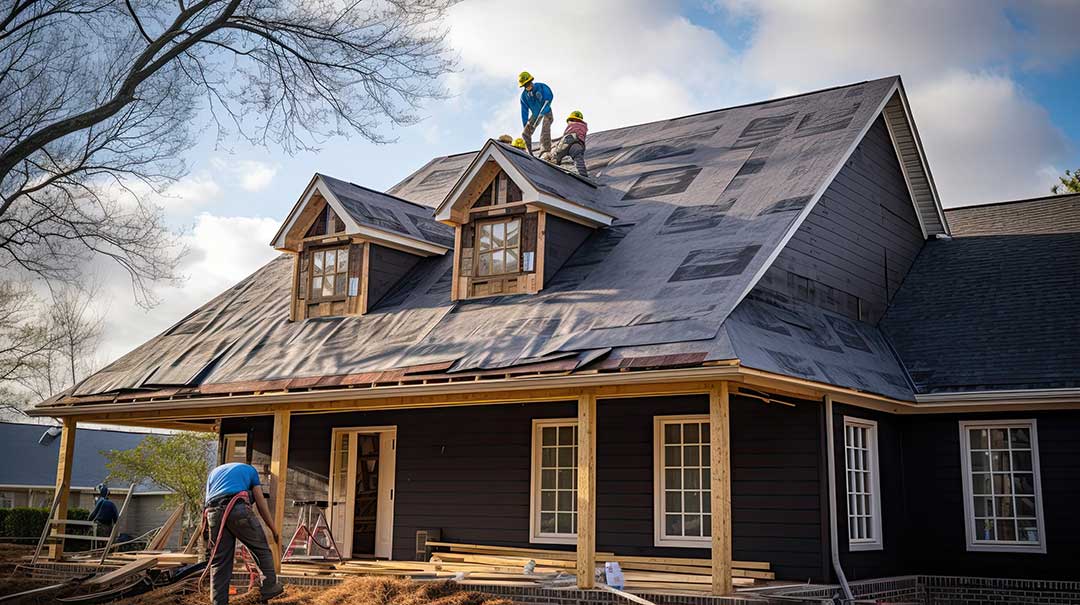
Where can roofing debris go in Greene?
Greene County transfer stations accept construction and demolition debris, but they do not accept asbestos materials. Roofing debris should not be assumed to qualify simply because it came from a residence or small repair project.
Before hauling material, determine whether the load is:
- Clean asphalt shingles
- Mixed construction and demolition debris
- Scrap metal
- Clean wood
- Insulation or membrane material
- Suspected asbestos-containing waste
Facility rules, fees, and accepted materials can change. A questionable load should be identified in advance rather than delivered without confirmation. This is especially important for mixed loads, large quantities, roofing cement, and older roofing products.
A county transfer station may accept construction debris for disposal without recycling every component. Asking about material separation helps clarify whether a load will be recovered, processed, or landfilled.
What if the roof may contain asbestos?
Do not break, cut, sand, grind, pressure-wash, or sweep suspected asbestos-containing roofing. Older roofing products, roofing cement, asphalt-based paper, and asbestos-cement materials may contain asbestos, and the age or appearance of a product cannot reliably confirm whether asbestos is present.
Materials that are damaged, crumbling, or easily reduced to dust are particularly concerning. New York has specific requirements for asbestos inspection, removal, transport, and disposal. County transfer stations may refuse asbestos materials, and ordinary construction debris facilities are not automatically authorized to accept them.
If asbestos is suspected, the safest step is to stop disturbing the material and obtain guidance from an appropriately qualified asbestos inspector or abatement professional. Disposal instructions must be established before the material is moved. Suspected asbestos should never be mixed with ordinary shingles or placed in household trash.
Are roofing materials accepted in curbside recycling?
Usually not. Asphalt shingles, roofing felt, metal flashing, tar paper, insulation, and roofing membranes do not belong in standard curbside recycling carts. Curbside programs are designed for specific household containers, paper, cardboard, and other approved materials—not bulky construction debris.
Metal pieces may be recyclable through a scrap-metal channel, but they should not be placed in a curbside cart unless the local program specifically allows them. Shingles and roofing paper generally require a construction and demolition debris facility or another specialized outlet.
What can homeowners do before a roof replacement?
Planning ahead reduces contamination and prevents rejected loads. Ask for the roofing materials to be separated during tear-off rather than mixed together. Protect areas where debris will be staged, particularly during rainy weather, because wet shingles, insulation, and wood become heavier and more difficult to handle.
Keep records or photographs of unusual materials, product labels, or older roofing layers. This information may help determine whether a material needs special handling.
For homes in Greene, seasonal weather can add complications. Snow, freeze-thaw cycles, wind, and spring rain may cause loose debris to spread or make a temporary pile unstable. Roofing waste should be secured promptly and kept away from storm drains, ditches, streams, and neighboring property.
