
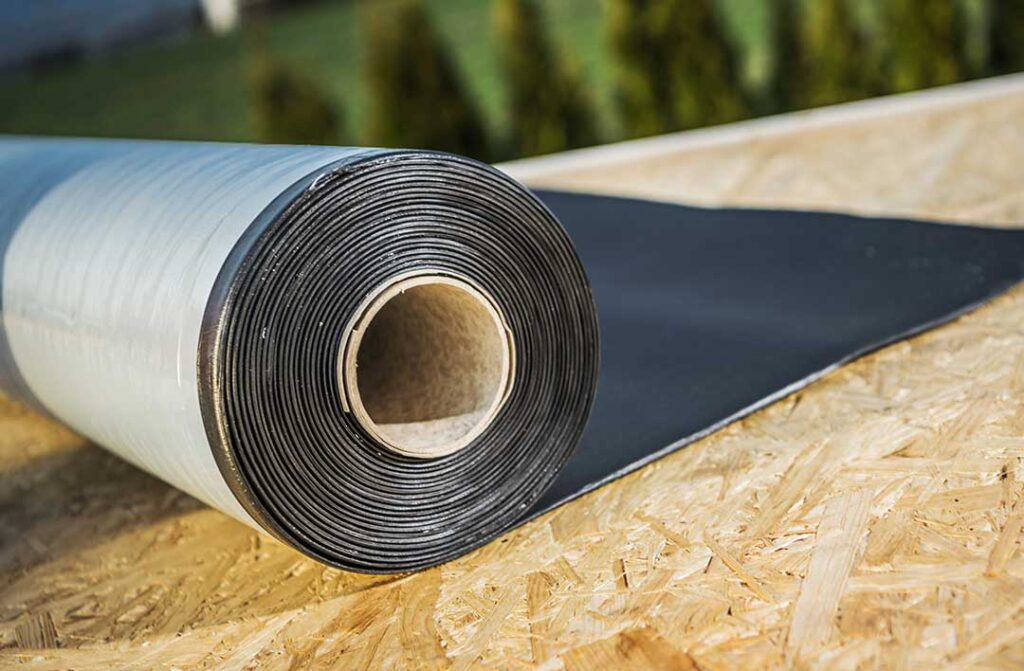
Roof tear-off is the process of removing existing roofing materials before a new roof system is installed. For homeowners in Greene, NY, it usually involves more than taking off shingles: the crew must protect the property, inspect the roof deck, manage debris, and account for changing weather conditions.
Understanding the sequence can make the work less disruptive and help explain why some parts of the project cannot be predicted until the old roof is exposed.
What does a roof tear-off include?
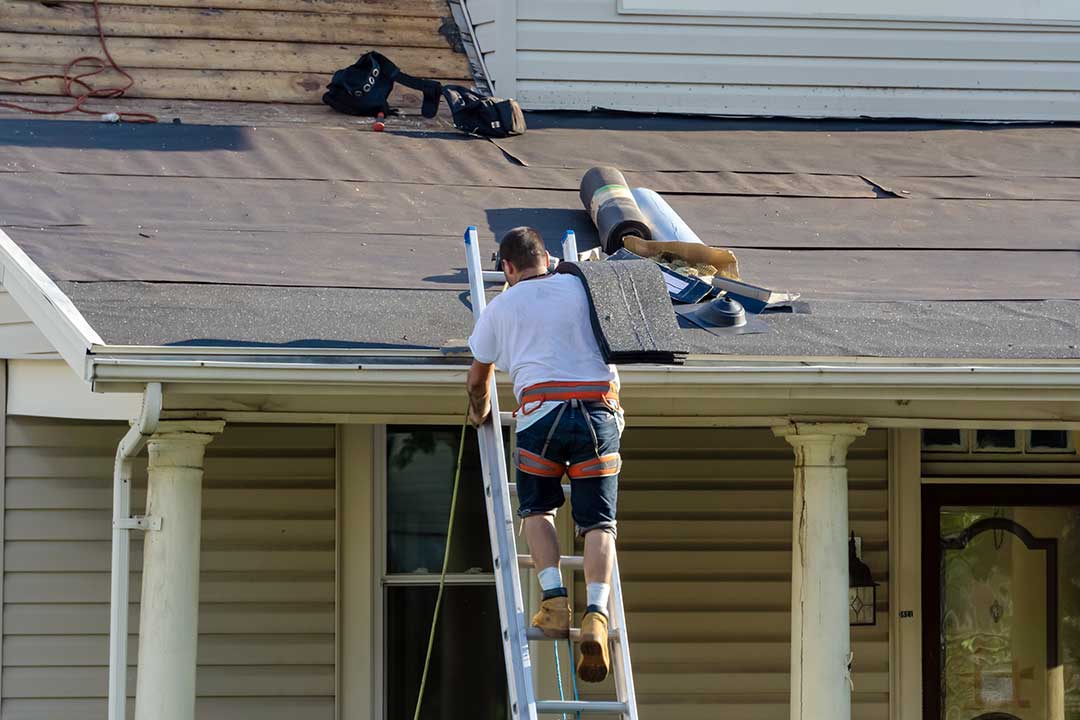
A roof tear-off generally removes the visible roofing layers down to the wood roof deck. Depending on the age and construction of the house, the work may include:
- Asphalt shingles or another exterior roofing material
- Underlayment beneath the shingles
- Metal flashing around chimneys, walls, vents, and roof edges
- Ridge caps and ventilation components
- Damaged or deteriorated sections of roof decking
- Nails and loose construction debris
A tear-off is different from an overlay, sometimes called a re-roof. An overlay leaves the existing shingles in place and installs another layer above them. A full tear-off exposes the roof deck, making it possible to inspect the underlying structure and correct problems that would otherwise remain hidden.
What happens before the old shingles are removed?
Preparation usually begins with protecting the property and organizing the work area. Materials may be delivered in advance, and a dumpster or other debris container is positioned where it can be accessed without blocking necessary household access.
Before removal begins, vulnerable items around the home may be covered or moved. This can include:
- Patio furniture, grills, planters, and outdoor decorations
- Vehicles parked near the work area
- Items stored in an attic directly below the roof
- Wall decorations or fragile objects that could be affected by vibration
The roof edge and ground around the building are often checked for conditions that could affect cleanup. Outdoor electrical lines, satellite equipment, gutters, landscaping, and narrow access areas may require additional care.
Residents should expect noise from walking on the roof, pulling nails, moving materials, and dropping shingles into a debris container. Tear-off is usually loudest during the removal phase and may be noticeable throughout the house.
How long does a tear-off take?
Many residential tear-offs can be completed in one working day, but the total time depends on roof size, the number of existing layers, roof pitch, access, weather, and the condition of the deck. A larger or more complicated roof may require additional days.
Weather is a significant factor in Greene, NY. Rain, wet decking, high winds, snow, and freezing conditions can make roof removal unsafe or leave the exposed structure vulnerable to water. Work may pause if weather changes suddenly, especially when the roof cannot be dried and covered reliably.
A roof is not always stripped and rebuilt in a single uninterrupted process. In some situations, one section is removed, inspected, repaired, and covered before work continues elsewhere.
What is found after the shingles come off?
The roof deck is the wood surface that supports the underlayment and shingles. Once the old roofing is removed, it may reveal conditions that could not be identified accurately from the ground.
Common findings include:
- Soft, stained, or rotted decking
- Water damage around chimneys, valleys, and roof penetrations
- Loose or missing sheathing fasteners
- Sagging areas
- Multiple old roofing layers
- Inadequate or blocked ventilation openings
- Improper flashing from earlier work
Not every dark stain means the wood must be replaced. The relevant question is whether the deck remains structurally sound and able to hold new roofing fasteners. Sections that are weak, deteriorated, or unable to provide a reliable fastening surface generally need repair before installation continues.
Hidden deck damage is one reason the final cost and schedule may differ from an initial visual assessment. The issue is not necessarily a surprise caused by poor planning; the condition may simply have been impossible to confirm while the old roofing was still in place.
How are roof leaks handled during a tear-off?
A roof can be temporarily exposed during removal, but it should not be left unprotected if rain or melting snow is possible. Roof sections may be covered with temporary protection while repairs or installation are delayed.
Water entry does not always appear directly below the original leak. It can travel along rafters, roof decking, insulation, or interior framing before reaching a ceiling. During a tear-off, visible staining should be documented, but the location of interior damage should not automatically be treated as the exact source of the leak.
After the roof deck is repaired, new underlayment and flashing help create a secondary water-shedding layer beneath the shingles. These components are particularly important around valleys, chimneys, plumbing vents, roof-to-wall intersections, and eaves.
What should homeowners expect around the property?
Tear-off creates more debris than many people expect. Shingles contain loose granules, nails, wood fragments, and pieces of underlayment. Even with ground protection and magnetic cleanup, small debris can collect near foundation walls, shrubs, driveway edges, and walkways.
A reasonable cleanup process includes:
- Removing visible roofing debris from the ground
- Collecting loose nails with magnetic equipment
- Clearing walkways and common access areas
- Checking gutters and downspouts for debris
- Removing temporary coverings carefully
- Inspecting the work area before equipment leaves
Residents should keep children and pets away from the active work zone. A roof tear-off involves falling materials, sharp fasteners, unstable ladders, and equipment that may remain on the property overnight.
Can people stay inside during the work?
In many cases, residents can remain indoors, but the house may be noisy and subject to vibration. People who work from home, care for infants, or need a quiet environment may prefer to make alternate arrangements during the noisiest stages.
Attics may become warmer or draftier if ventilation or roofing layers are temporarily removed. Dust can also enter through small gaps, recessed lighting openings, attic access panels, or older ceiling assemblies. Covering stored belongings and keeping attic access closed can reduce the mess.
Roof removal may also affect power or exterior equipment if wiring, vents, or other fixtures are located near the work area. Any changes should be explained before they are made.
What should be checked before the new roof is installed?
The exposed roof deck should be reasonably dry, secure, and properly fastened. Roof edges, valleys, penetrations, flashing locations, and ventilation openings should also be reviewed before new materials cover them.
Useful questions include:
- How many roofing layers were removed?
- Was any roof decking replaced?
- Were damaged flashing areas found?
- Is the roof deck dry and structurally sound?
- How will exposed sections be protected if weather changes?
- How will attic ventilation be handled?
- Which areas require special cleanup or protection?
A tear-off is often the most revealing stage of a roofing project. It shows whether the visible roof surface was the only problem or whether water, aging, ventilation, or structural issues affected the layers underneath. Understanding that process helps residents distinguish normal project changes from conditions that deserve a clear explanation.
