
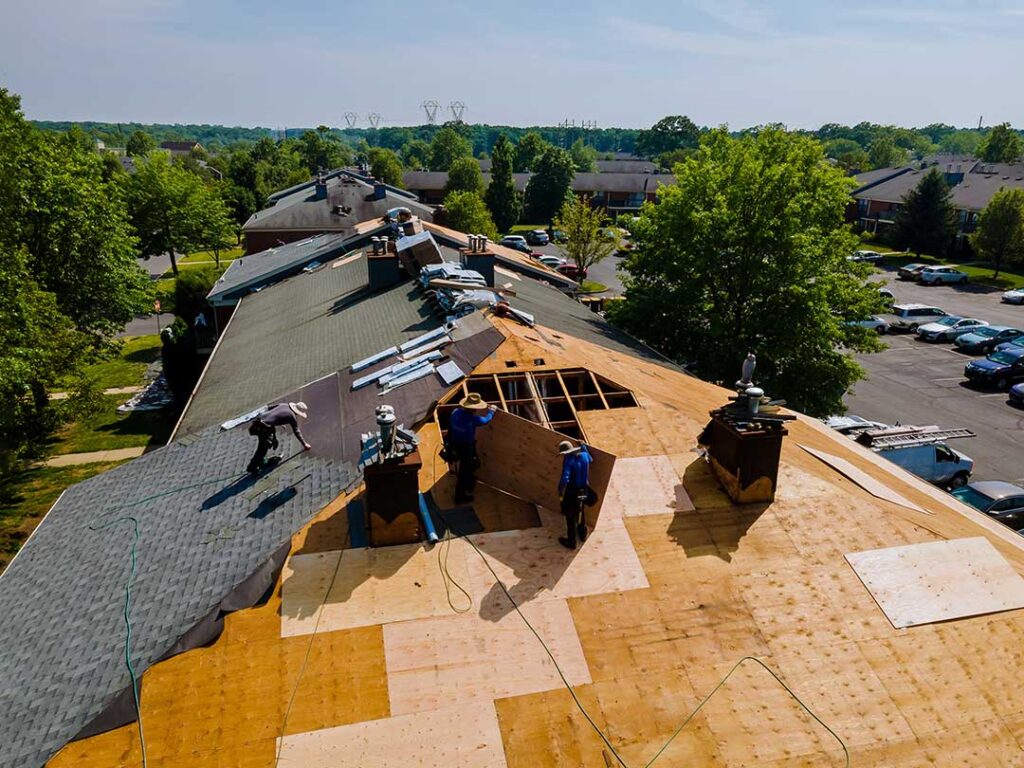
What is a roof valley?
A roof valley is the inside angle where two sloping roof sections meet. It collects and directs rainwater, melting snow, leaves, and ice toward a gutter or roof edge, making it one of the hardest-working areas of a roof.
Because valleys handle concentrated water flow, they can deteriorate before the surrounding shingles appear worn. A roof may look acceptable from the ground while a valley is already allowing moisture beneath the roofing materials.
In Greene, NY, valleys must also handle seasonal changes that include heavy rain, snow accumulation, freezing temperatures, and repeated thawing. Those conditions can expose small weaknesses and gradually enlarge them.
What are the first visible signs of a failing valley?
The earliest warning signs often appear as changes in the valley’s surface, drainage pattern, or nearby interior finishes. Look for:
- Missing, cracked, curled, or displaced shingles along either side of the valley
- Exposed metal, underlayment, or dark lines beneath the shingles
- Rust, holes, lifted edges, or separated seams in a metal valley
- Granules collecting in gutters or at the bottom of downspouts
- Water stains on the ceiling or upper walls below the valley
- Damp insulation, musty odors, or peeling paint in an attic
- Algae or dark staining that follows the valley channel
- A visible dip or sag in the roof surface near the intersection
A single dark mark does not always mean the valley is leaking. However, staining that grows after rain, appears repeatedly, or is accompanied by deteriorated roofing materials deserves closer attention.
How can valley problems be spotted from the ground?
A ground-level inspection can identify several useful clues without requiring anyone to climb onto the roof. Use binoculars if available, and inspect the roof after the leaves have fallen or after a storm has passed.
Look for an uneven line where the roof slopes meet. Shingles should generally form a consistent pattern on both sides of the valley. Buckling, raised corners, gaps, and exposed fasteners may indicate that water has reached the layers beneath the shingles.
Also check whether leaves, twigs, or ice are repeatedly collecting in one section. Debris can block water, but it may also gather because the valley has sagged or because shingles are no longer lying flat. A valley that appears to hold water rather than move it downslope may have a drainage problem.
Do not rely only on the roof’s appearance from the driveway. Some leaks begin beneath overlapping materials and remain hidden until the roof has been exposed to several wet or freezing cycles.
What does a leaking roof valley look like inside the house?
Interior evidence often appears near the highest part of a ceiling or along an exterior wall below the roof intersection. Water may travel along rafters, roof decking, insulation, or framing before becoming visible, so the ceiling stain may not be directly below the original entry point.
Common indoor signs include:
- Brown, yellow, or gray discoloration
- Blistering or bubbling paint
- Soft drywall or cracked plaster
- Damp attic sheathing
- Rusted nails or metal fasteners
- Mold-like growth caused by recurring moisture
- Drips that appear only during wind-driven rain or melting snow
A dry ceiling on a sunny day does not rule out a roof valley leak. Some moisture remains trapped in insulation or wood and may take time to reach the finished ceiling.
If a ceiling is bulging, water is near a light fixture, or active dripping is occurring, keep clear of the area and shut off electricity to the affected circuit only if it can be done safely. Water and electrical systems create a serious hazard.
How do ice and snow affect roof valleys?
Valleys can accumulate more snow than nearby roof sections because two slopes direct snow toward the same channel. During a thaw, meltwater may flow beneath snow or ice and encounter a frozen section lower on the roof. This can slow drainage and force water beneath shingles or flashing.
Repeated freezing and thawing can also widen small cracks, loosen roofing materials, and separate sealants. Heavy snow sliding through a valley may damage exposed flashing or pull at shingles.
The presence of ice does not automatically mean the roof is failing. Problems become more likely when ice is accompanied by interior staining, lifted shingles, damaged flashing, or repeated leaks after thawing.
Removing snow from a roof can be dangerous and may damage shingles if done improperly. From ground level, residents can safely observe whether snow repeatedly builds in one valley or whether icicles and meltwater appear in the same location. Roof access during icy conditions should be avoided.
Why do valleys fail even when the rest of the roof looks sound?
Valleys receive more water than most other roof areas, so their materials experience greater exposure. They also contain transitions where different components must overlap correctly, including shingles, flashing, underlayment, and sealants.
Common causes of valley failure include:
- Shingles cut too closely to the drainage channel
- Improperly overlapped or corroded flashing
- Nails placed where water flows
- Underlayment that has torn or shifted
- Debris trapped beneath roofing materials
- Wind lifting shingles along the valley edge
- Poor ventilation that increases condensation and ice formation
- Aging materials that have become brittle
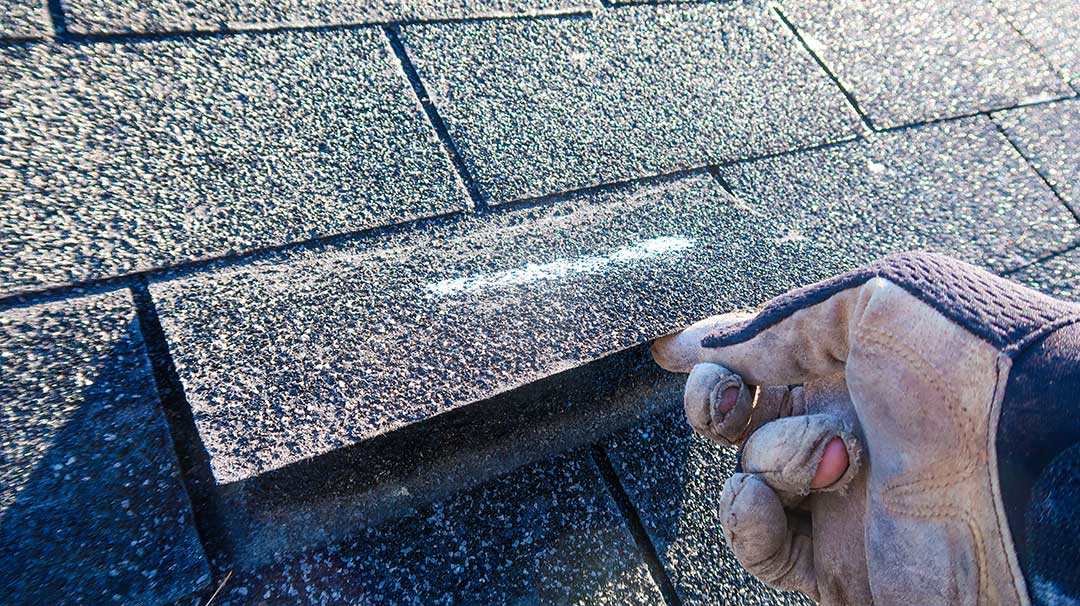
A roof may still have usable shingles across broad areas while a valley needs repair or replacement. Age alone does not identify the problem, but older roofs generally deserve more frequent inspection around drainage channels and penetrations.
Are open and closed valleys inspected differently?
Yes. An open valley has a visible strip of metal or other valley lining between the shingle fields. Inspect it for rust, punctures, lifted edges, open seams, and areas where water may be diverted beneath the lining.
A closed valley is covered by overlapping or cut shingles. Inspect it for exposed nails, cracked shingle edges, irregular cuts, missing granules, and gaps in the shingle pattern. Because the drainage lining is hidden, leaks may be harder to identify from the surface.
Neither design is automatically trouble-free. Installation quality, material condition, roof slope, ventilation, maintenance, and local weather exposure all influence how well a valley performs.
How often should roof valleys be checked?
A practical schedule is to inspect visible roof areas at least twice a year, preferably in spring and fall, and again after severe wind, heavy rain, or substantial snow and ice. In Greene, seasonal inspections can help identify damage caused by winter conditions before spring rainfall tests the roof repeatedly.
A ground inspection should also be performed when:
- A ceiling stain appears
- Gutters suddenly contain unusually large amounts of granules
- Shingles are found in the yard
- Water enters the attic
- A branch strikes the roof
- A valley repeatedly holds leaves, snow, or standing water
Roof inspections become hazardous when surfaces are wet, icy, steep, or unstable. Walking on a roof can also break brittle shingles and conceal the original condition. If a close inspection is necessary, safety equipment and proper training are required.
What should happen after a suspected valley leak?
Document the location and timing of the problem. Photograph interior stains, note whether they appeared after rain or snowmelt, and record any changes in the attic or ceiling. Avoid covering a damp area with fresh paint, since that can hide continuing moisture.
If water is actively entering the home, use containers to catch drips and move furniture or belongings away from the area. Do not rely on caulk, roofing cement, or temporary surface patches as a permanent solution; these may redirect water or make later repairs more difficult.
The underlying cause may be a damaged shingle, failed flashing, blocked drainage path, or moisture entering elsewhere and traveling along the roof structure. Finding the true entry point matters more than simply covering the visible stain.
Can a failing valley be repaired, or does the whole roof need replacement?
A localized valley problem does not automatically mean the entire roof must be replaced. If the surrounding shingles, decking, flashing, and underlayment remain sound, repair may be limited to the affected section.
Broader replacement may be necessary when the valley is part of an aging roof system, the decking has widespread moisture damage, shingles are brittle throughout the roof, or multiple valleys and roof penetrations are failing at the same time.
The key question is whether the valley is an isolated defect or evidence of a larger drainage and roofing-system problem. A careful assessment should distinguish between surface damage, hidden moisture, structural deterioration, and normal aging.
