
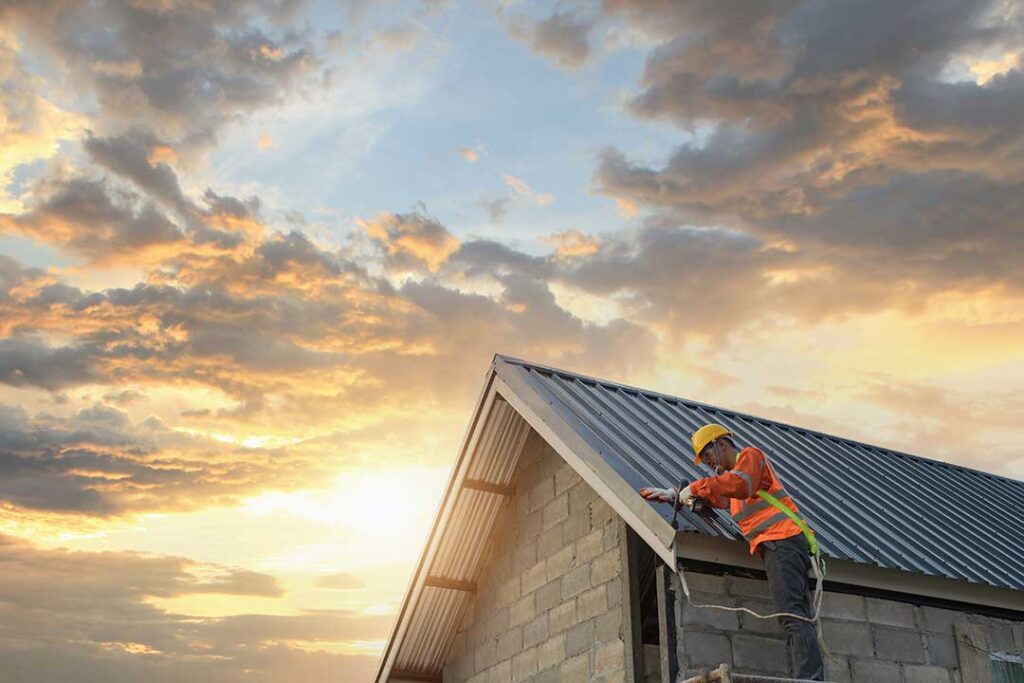
Walking on a roof can cause falls, damaged shingles, cracked flashing, and hidden structural damage. For most homeowners, the safest approach is to avoid climbing onto the roof unless the surface is low-slope, dry, stable, and accessible with properly used equipment.
In Greene, NY, changing weather adds extra risk. Snow, freezing temperatures, spring dampness, fallen leaves, and summer heat can all make roofing materials slippery or less secure than they appear from the ground.
Is it safe for a homeowner to walk on a roof?
Only under limited conditions. A person should not walk on a roof that is wet, icy, snow-covered, steep, damaged, or difficult to access safely.
A roof may look level from the yard while still having enough pitch to create a serious fall hazard. Asphalt shingles also become less dependable as walking surfaces with age. Granules can loosen, algae or moss can reduce traction, and brittle shingles may crack underfoot.
Do not walk on a roof if:
- The surface is wet, frosted, icy, or covered with snow
- Wind makes balance difficult
- The roof has a steep pitch
- Shingles are curled, loose, cracked, or missing
- There are soft spots, sagging areas, or visible deck damage
- Skylights, roof openings, or fragile coverings are present
- You would need to step near an unprotected edge
- You are carrying tools, materials, or bulky equipment
A fall from even a one-story roof can result in broken bones, head injuries, or worse. A ladder alone does not make roof access safe.
What should be checked before climbing?
Inspect the conditions from the ground first. Look for loose shingles, exposed underlayment, sagging roof lines, damaged gutters, branches, and ice at the eaves. Binoculars can help identify problems without requiring roof access.
Check the weather and wait for a dry, calm period. In colder months, frost may remain after the air temperature rises above freezing, especially on shaded roof planes. Ice can also form near gutters and eaves where melting snow refreezes.
Wear footwear with clean, slip-resistant soles. Do not use shoes covered with mud, oil, lawn debris, or loose gravel. Soft-soled shoes may improve traction on some roofing surfaces, but no footwear can make an unsafe roof safe.
It is also wise to have another adult nearby. A second person should remain on the ground, keep the ladder clear, and know how to summon emergency help. This does not replace fall protection.
How should a ladder be placed?
The ladder must stand on firm, level ground and should never rest on ice, loose soil, wet grass, boxes, or improvised supports. Clear snow, leaves, and other debris from the base area.
For a straight or extension ladder, the base should generally be placed about one foot away from the building for every four feet of ladder height. The ladder should extend above the roof edge far enough to provide a secure handhold when stepping onto or off the roof.
Before climbing, confirm that:
- The ladder is rated for the user and any equipment
- The rails and rungs are not bent, cracked, loose, or slippery
- The ladder is fully locked in its extended position
- The feet are resting evenly on stable ground
- The top is secured against sliding or shifting
- Overhead electrical lines are well clear
- Doors, vehicles, and walkways cannot strike the ladder
Face the ladder while climbing and keep two hands and one foot, or two feet and one hand, in contact with it. Avoid carrying tools in your hands. Use a tool belt, a secured rope system handled from the ground, or another method that does not interfere with climbing.
How should someone move across a roof?
Move slowly and keep your body low enough to maintain balance without crouching or crawling into an unstable position. Place each foot carefully and avoid sudden turns.
On asphalt shingles, walk on the areas supported by the roof framing rather than stepping randomly between supports. Avoid the exposed edges of shingles, which can lift, crack, or break away. Do not step on ridge caps, valleys, flashing, skylights, vents, or areas with visible damage.
Keep your weight centered over your feet. Reaching sideways, twisting while carrying something, or stepping backward greatly increases the chance of losing balance. Never jump across a roof section or use gutters as handholds or footholds.
A roof should not be treated like a normal walking surface. Shingles can shed granules, and small debris can roll underfoot. Even a small amount of moss, pollen, or moisture may reduce traction.
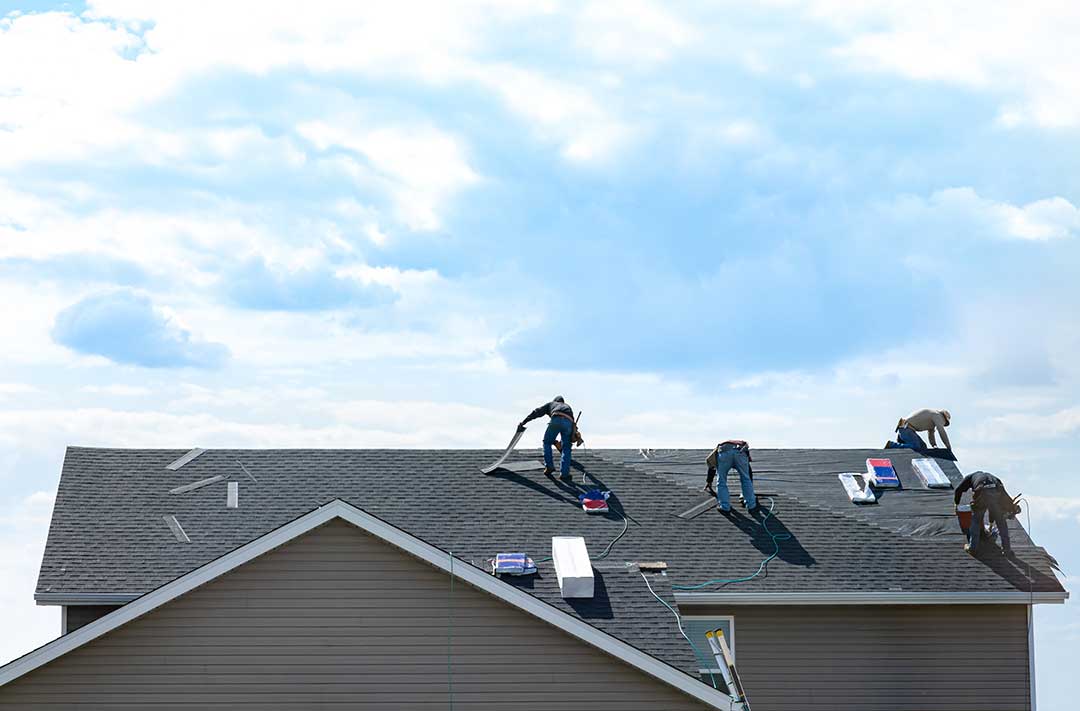
What roof areas are especially dangerous?
Roof valleys deserve extra caution because water, leaves, ice, and debris often collect there. Flashing around chimneys, walls, vents, and skylights may look solid but can bend or separate under pressure.
Skylights are a major hazard. Some are designed to resist weather but are not designed to support a person. Never assume a skylight can hold body weight, even if it appears clean and firmly mounted.
The lower edge of a roof can also be deceptive. Gutters may be weak, detached, or filled with hidden ice. Fascia boards and overhangs are not dependable supports.
Older homes may have roof decking that has weakened from long-term moisture exposure. Soft areas, springy spots, or sagging should be treated as warning signs, not areas to investigate by stepping closer.
Are roof anchors, harnesses, and roof ladders necessary?
Fall-protection equipment is necessary for many roof tasks, particularly work near an edge, work on steep slopes, or any activity where a fall could occur from a significant height. A harness is only useful when connected to a properly rated anchor with compatible equipment and the user understands how the system works.
A harness attached to an unsuitable anchor can create a false sense of security. Chimneys, plumbing vents, tree branches, attic framing, and random structural members should not be used as attachment points.
Roof ladders, sometimes called chicken ladders, can provide footing on steep slopes, but they must be designed, positioned, and secured correctly. They are not substitutes for a complete fall-protection system.
Because improper setup can be as dangerous as having no equipment, homeowners should not improvise with ropes, household belts, makeshift anchors, or unsecured boards.
When should roof access be avoided completely?
Do not climb onto a roof to inspect or clear it during a storm, snowfall, freezing rain, high wind, or active ice buildup. Snow removal from a roof is especially hazardous because hidden ice, uneven loading, and weak decking may not be visible.
Avoid climbing if you feel dizzy, tired, unwell, or uncomfortable with heights. Medication, alcohol, and fatigue can affect balance and judgment.
If the roof shows sagging, widespread water damage, a large opening, fire damage, or severe storm damage, stay off it. Keep people away from the area below and view the condition from a safe location.
For Greene households, routine observations are often safer from the ground, attic, windows, or a nearby ladder position that does not require stepping onto the roof. A roof inspection does not need to become a second emergency.
What are safer alternatives to walking on the roof?
Many common tasks can be handled without standing on the roof:
- Use binoculars to examine shingles, flashing, and roof lines
- Inspect the attic for stains, damp insulation, daylight, or musty odors
- Check ceilings and upper walls for water marks
- Observe gutters and downspouts from the ground
- Use a ground-level camera or pole-mounted inspection tool
- Look for loose shingles or debris after severe weather from a safe distance
If roof access is necessary because of damage, a leak, or a maintenance task, the safest choice may be to use a trained, properly equipped individual rather than attempt an improvised climb. The decision is especially serious when the roof is steep, weather-affected, fragile, or more than one story above the ground.
