
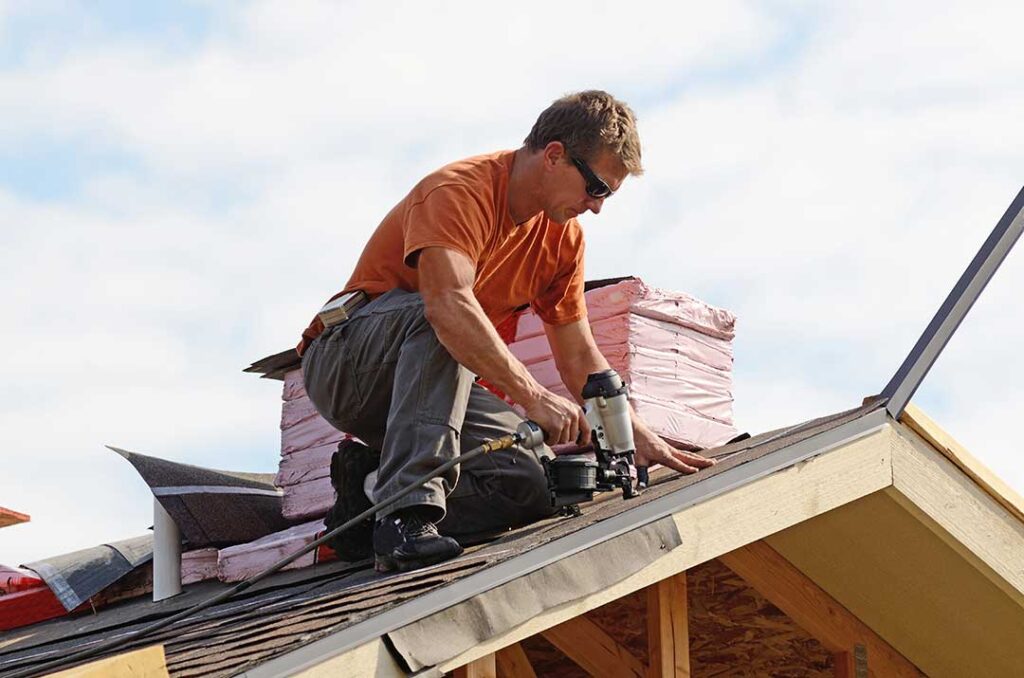
Greene, NY homeowners have several roofing materials to consider, but no single option is ideal for every house. The right choice depends on roof slope, structural capacity, winter weather, maintenance expectations, appearance, budget, and how long the property is likely to be owned.
In a region with freezing temperatures, snow, ice, wind, rain, and changing seasonal conditions, roofing performance depends on more than the visible covering. Underlayment, flashing, ventilation, drainage, and installation details are equally important.
Which roofing material is most common for local homes?
Asphalt shingles are the most common choice because they offer a practical balance of cost, appearance, availability, and installation familiarity. Metal roofing, architectural shingles, synthetic products, wood, slate, and tile can also be suitable, but each has tradeoffs that matter in a cold-weather climate.
Asphalt shingles
Fiberglass asphalt shingles are available in basic three-tab designs and thicker architectural styles. Architectural shingles generally create a more dimensional appearance and may provide better resistance to wind and weather than entry-level products.
Advantages include:
- Lower initial cost than most long-life roofing materials
- Broad selection of colors and textures
- Relatively simple repairs when individual shingles are damaged
- Moderate weight that works with many existing roof structures
- Familiar installation methods and commonly available replacement materials
Limitations include:
- Shorter service life than quality metal, slate, or tile
- Granule loss and cracking can develop with age
- Ice, wind, falling branches, and repeated freeze-thaw cycles may cause damage
- Dark shingles can absorb substantial solar heat during summer
- A roof with poor ventilation may age faster regardless of shingle quality
Asphalt is often a reasonable choice for a typical sloped residential roof, especially when keeping the initial project cost manageable is a priority. It should not be judged by shingle appearance alone; the quality of the underlayment, flashing, ventilation, and roof-edge details has a major effect on performance.
Are metal roofs a good choice in a cold, snowy climate?
Metal roofing can perform well in Greene because properly designed systems shed rain and snow efficiently and resist many common weather-related problems. However, metal roofing is not automatically maintenance-free or suitable for every building.
Potential benefits include:
- Long service life compared with standard asphalt shingles
- Good resistance to moisture, wind, insects, and decay
- Smooth surfaces that can help snow slide off
- Many styles, including panels and metal shingles
- Lower weight than slate or tile in many applications
- Reflective finishes that may reduce summer heat gain
Potential drawbacks include:
- Higher initial cost than common asphalt shingles
- Snow can release suddenly, creating a safety concern near entrances, walkways, or lower roofs
- Scratches, dents, and coating damage may lead to corrosion if not addressed
- Expansion and contraction can stress fasteners or seams when details are poor
- Incorrectly installed metal roofs may produce more noticeable rain noise
A metal roof still needs adequate attic insulation and ventilation. The material itself does not eliminate heat loss, ice dams, or condensation problems. Snow guards may also be appropriate where sliding snow could threaten people, vehicles, landscaping, or mechanical equipment.
What are the pros and cons of synthetic roofing?
Synthetic roofing products are manufactured to resemble slate, wood shakes, or other traditional materials. They are often made from polymers, rubber, recycled materials, or blended compounds.
These products may provide a middle ground between asphalt and premium natural materials. They are generally lighter than slate and tile, and some are designed to resist impact, moisture, and splitting.
The main concerns are product quality, long-term performance history, color stability, repair compatibility, and the availability of matching replacement pieces. A synthetic product may look like slate without requiring the same structural support, but it should not be assumed to have the same service life as natural slate.
Does wood roofing work well in this area?
Wood shingles and shakes have a traditional appearance that suits some older or historically styled homes. Cedar can provide natural texture and may weather attractively when properly designed and maintained.
The disadvantages are more significant in a climate with regular moisture, snow, ice, and temperature changes. Wood requires attention to ventilation, drainage, moss, mildew, splitting, and decay. Leaves and shaded roof areas can keep wood damp for extended periods.
Fire classification and local code requirements also matter. Untreated or improperly specified wood roofing may not be acceptable in every situation. Wood roofing is best considered a design-specific choice rather than a low-maintenance option.
Why are slate and tile not used on every home?
Natural slate can last for many decades and offers a distinctive appearance. Clay and concrete tile can also be durable and resistant to rot and insects. Both materials can perform well when installed as complete roof systems suited to the structure.
Their major disadvantage is weight. A house designed for asphalt shingles may not have the structural capacity for slate or tile without reinforcement. These materials can also be brittle under impact, difficult to walk on, and more complicated to repair.
Slate repairs require compatible pieces and specialized knowledge of fasteners and flashing. Tile can crack from impact or freeze-thaw stress if the wrong product is selected or if water reaches vulnerable areas. Their long service life does not make them automatically economical; the supporting structure and repair requirements must be considered first.
What material is best for a low-slope roof?
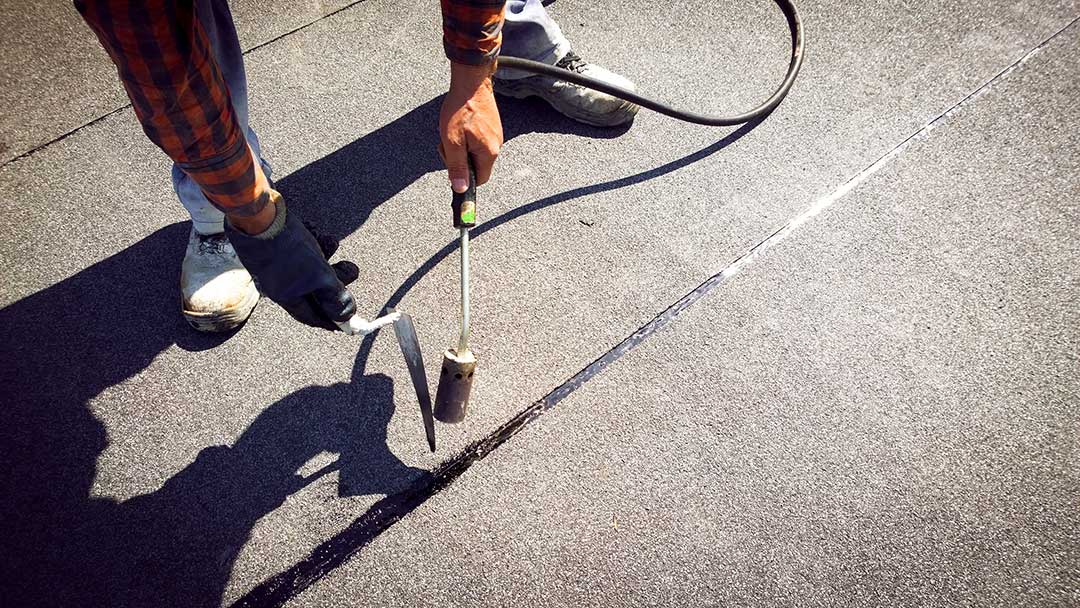
Low-slope roofs generally require different systems than steep residential roofs. Standard asphalt shingles are not appropriate for every low-slope application because water drains more slowly and can work beneath overlapping materials.
Common choices may include membrane roofing, modified bitumen, specially designed metal systems, or other coverings approved for the roof’s slope. Drainage, seams, penetrations, flashing, and snow accumulation are especially important.
A roof that appears nearly flat should be evaluated by its actual slope rather than its appearance. Small differences in pitch can affect which materials and installation methods are permitted.
Which roofing material handles ice dams best?
No roofing material completely prevents ice dams. Ice dams usually result from uneven roof temperatures, heat escaping into the attic, inadequate ventilation, snow cover, and meltwater refreezing near colder eaves.
A durable roof covering can still be damaged if the roof assembly allows repeated icing. Effective protection may include:
- Adequate attic insulation
- Continuous air sealing at the ceiling plane
- Proper intake and exhaust ventilation
- Correct underlayment in vulnerable areas
- Clear drainage paths and well-designed flashing
- Careful attention to valleys, eaves, chimneys, and roof-to-wall intersections
Metal may shed snow more readily, while asphalt shingles can provide a rougher surface that holds snow. Neither material replaces sound attic and water-management design.
How should homeowners compare roofing materials?
The lowest purchase price is not the same as the lowest long-term cost. A useful comparison should include:
- Expected service life under local weather conditions
- Initial material and installation expense
- Repair difficulty and availability of matching materials
- Weight and structural requirements
- Resistance to wind, impact, moisture, and fire
- Compatibility with the existing roof slope
- Appearance in relation to the home
- Snow-shedding behavior and pedestrian safety
- Disposal or recycling options at the end of the roof’s life
New York’s residential building requirements address roof coverings, fire classification, wind resistance, flashing, and roof assemblies. Permit and code questions can vary by project, especially when changing material, adding structural weight, or installing a new roof over an existing one.
For many households, asphalt shingles remain the most straightforward choice. Metal may make sense for long service life and snow shedding. Synthetic materials can offer a lighter alternative to slate or wood. Slate and tile are specialized options that require the home’s structure, slope, detailing, and maintenance expectations to align with their demands.
The most dependable roof is usually the one whose material, roof structure, drainage, ventilation, and installation details are treated as one complete system.
