
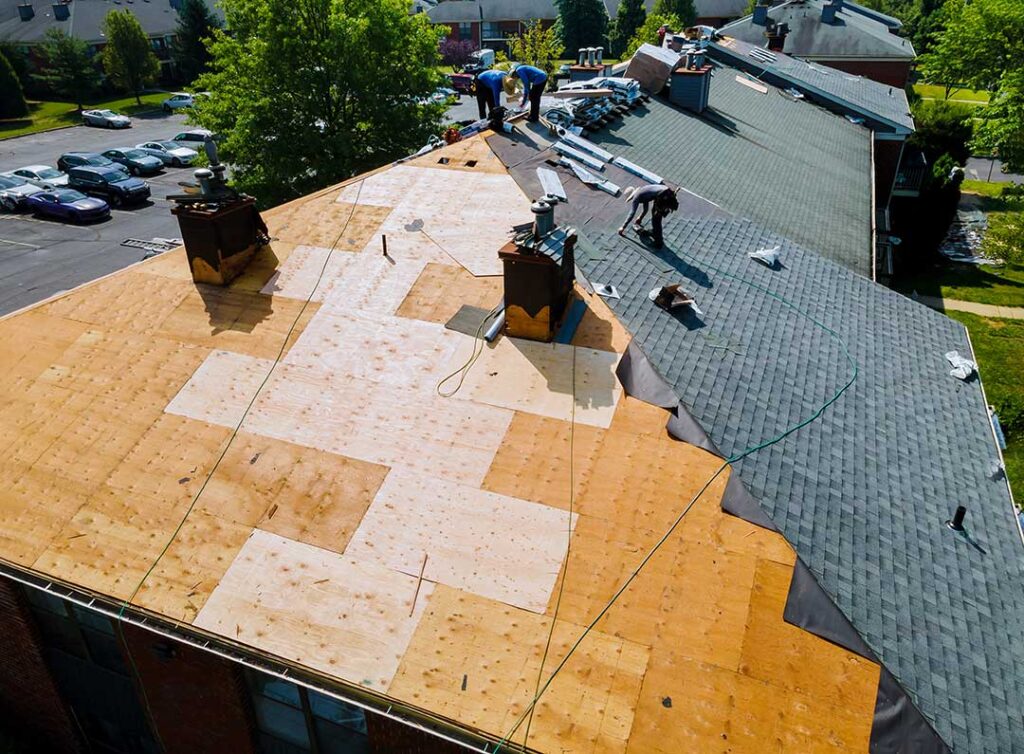
Roof repairs can sometimes be handled by a homeowner, but only when the work is small, the roof is easy to access, weather is stable, and the person doing the work has the right equipment and experience. Any task involving a steep, high, fragile, wet, icy, or structurally damaged roof should be treated as unsafe for casual do-it-yourself work.
For households in Greene, NY, seasonal weather adds another concern. Snow, freeze-thaw cycles, wind, rain, and shaded areas that stay damp can change roof conditions quickly. A roof that appears manageable from the ground may be slippery, brittle, or unstable once someone is on it.
What roof work is usually reasonable for a homeowner?
The safest do-it-yourself roof tasks are generally small, low-risk repairs that can be completed from the ground, from a properly positioned ladder, or from a low-slope roof with secure footing.
Examples may include:
- Replacing a missing or visibly loose shingle on a low, simple roof
- Securing a small section of loose flashing when the area is easily reached
- Replacing exposed roofing fasteners with compatible materials
- Cleaning leaves and small debris from a roof valley when it can be done without climbing onto the roof
- Inspecting attic areas for signs of leaks
- Clearing gutters from a stable ladder when the work does not require leaning sideways or reaching beyond safe limits
- Applying a temporary tarp after minor storm damage, if it can be installed without walking on a dangerous roof
Even these tasks require caution. Roofing materials can be damaged by improper nail placement, excessive sealant, or walking in the wrong areas. A small repair that hides a larger leak may also delay necessary structural work.
When is a roof unsafe for DIY work?
A roof is generally not a suitable do-it-yourself project if it has a steep pitch, multiple levels, limited access, or visible structural damage. The risk rises sharply when a fall could reach a lower roof, porch, deck, retaining wall, or hard surface.
Avoid climbing onto the roof when any of these conditions exist:
- Rain, frost, snow, ice, or heavy dew is present
- Wind gusts are strong enough to affect balance or lift materials
- The roof surface is covered with moss, algae, loose granules, or wet leaves
- Shingles are brittle, curled, cracked, or missing across a large area
- The roof deck feels soft, spongy, sagging, or uneven
- There are exposed nails, broken rafters, damaged skylights, or loose metal
- The work requires walking near an unprotected edge
- The roof is higher than a single-story porch or addition
- A ladder cannot be placed on level, stable ground
- The repair requires carrying bulky materials while climbing
Snow and ice deserve particular attention in this region. Removing snow from a roof can create uneven loading, damage shingles, or send heavy material sliding unexpectedly. Roof access after a winter storm is not automatically safe just because the snow appears light or partially melted.
How high is too high for do-it-yourself roof work?
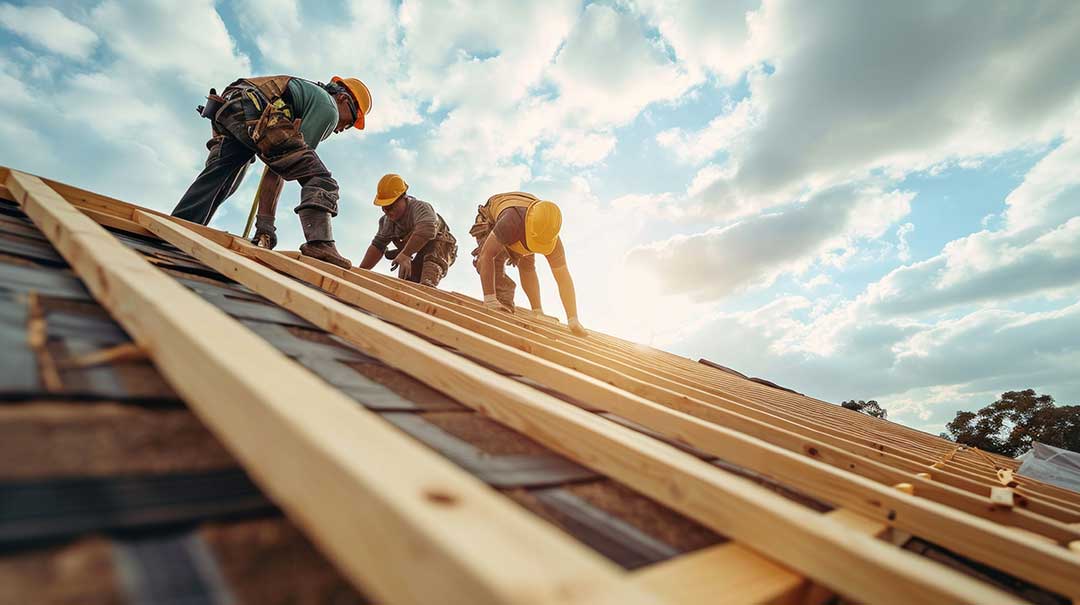
There is no single height that makes every roof unsafe, but fall risk becomes serious well before a person reaches a second-story roof. Safety regulations for residential construction generally require fall protection when workers are six feet or more above a lower level. That threshold is not a guarantee that a homeowner can safely work at six feet; it is a warning that a fall from that height can cause severe injury.
A regular extension ladder is not a complete fall-protection system. It can shift, slide, tip, or be set at an unsafe angle. The ladder should extend above the landing area, rest on firm ground, and be secured where possible. A person should maintain three points of contact while climbing and should never carry large tools or roofing materials in both hands.
If the work requires a harness, roof anchors, guardrails, scaffolding, or specialized access equipment, it is no longer a simple repair for most homeowners. Using fall-protection equipment incorrectly can create a false sense of security.
Can a homeowner repair a roof after a storm?
A homeowner may be able to perform a ground-level inspection and temporary protection after a storm, but climbing onto the roof immediately is often unsafe. Wind can leave shingles, flashing, tree limbs, and electrical hazards in unstable positions.
After severe weather:
1. Inspect the roof from the ground using binoculars if available.
2. Look for missing shingles, exposed underlayment, damaged flashing, sagging areas, and debris.
3. Check the attic for daylight, damp insulation, water stains, or active dripping.
4. Place containers under interior leaks and move belongings away from the affected area.
5. Use temporary covering only if it can be done without stepping onto an unsafe surface.
6. Keep away from downed wires, leaning limbs, and damaged gutters.
A tarp that is improperly fastened can become airborne, damage the roof further, or create a hazard for people below. Storm damage involving structural movement, a large opening, or a tree impact should not be treated as a routine patching project.
What roof repairs should usually not be done alone?
Some work is risky not only because of height but because it affects the building’s weather protection or structure. Homeowners should be especially cautious with:
- Full roof replacement
- Removing multiple layers of roofing
- Repairing sagging roof decking or rafters
- Working around chimneys, skylights, or dormers
- Replacing large sections of flashing
- Installing metal roofing on a steep slope
- Cutting through roofing for vents or other penetrations
- Repairing roofs with suspected mold, fire damage, or electrical involvement
- Working on slate, tile, wood shakes, or other fragile materials
Roof replacement also involves heavy bundles, exposed nails, tear-off debris, and repeated movement near edges. The physical demands can lead to fatigue, which increases the chance of a fall or installation mistake.
Does a roof repair require a permit in Greene?
Permit requirements can depend on the type and extent of work, the building’s location, and the authority responsible for code enforcement. Replacing a few shingles may be treated differently from reroofing an entire structure, changing roof framing, adding a new roof opening, or altering the building’s exterior.
Before beginning substantial work, confirm requirements with the applicable local code enforcement office. A permit question should be settled before materials are removed, especially if the work changes the roof structure or involves more than routine maintenance.
Roofing work also needs to comply with current New York residential construction requirements. Code compliance can involve materials, underlayment, flashing, ventilation, ice-barrier details, and attachment methods—not just the visible shingles.
What is the safest decision rule?
A practical rule is simple: do the work yourself only when the task is minor, the roof is low and sound, the surface is dry, the weather is calm, and safe access can be maintained without improvising.
Stop the project if footing changes, the ladder moves, the roof surface feels soft, or the repair becomes larger than expected. A homeowner should not need to rush, stretch beyond balance, work alone without communication, or rely on makeshift fall protection.
Ground-level inspection, attic observation, gutter maintenance, and limited repairs may be reasonable household tasks. High, steep, slippery, structurally damaged, or extensively deteriorated roofs present risks that ordinary tools and confidence do not solve.
