
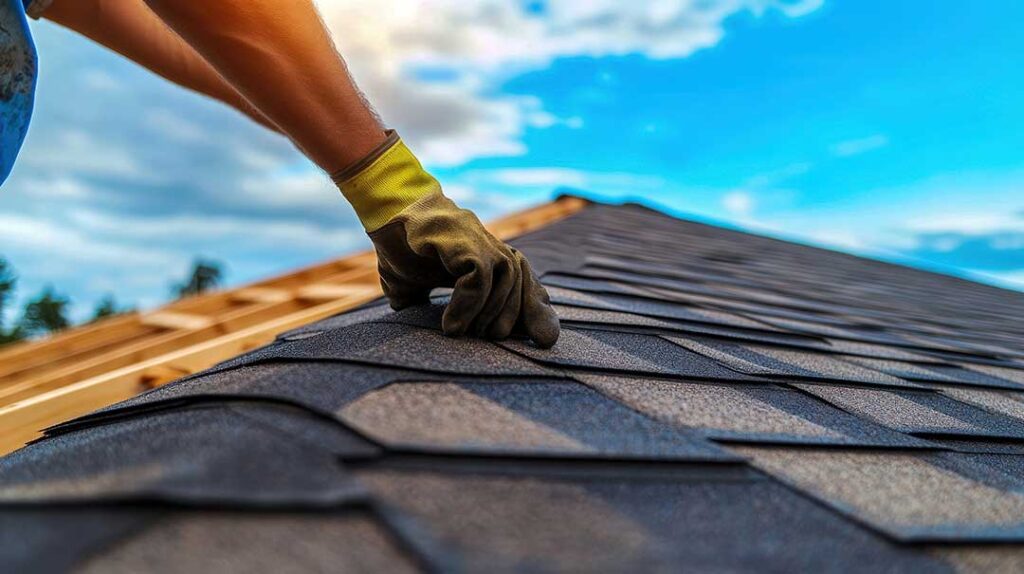
Roof coatings can extend the useful life of some roofing systems, improve reflectivity, and seal minor surface imperfections. They are not a universal repair method, however. A coating works best when the existing roof is structurally sound, properly prepared, and compatible with the coating material.
For homeowners and building owners in Greene, NY, the decision deserves extra care because roofs must withstand hot summer sun, winter cold, snow, ice, moisture, and repeated freeze-thaw cycles.
What is a roof coating?
A roof coating is a fluid-applied material spread, rolled, or sprayed over an existing roof surface. After curing, it forms a continuous protective layer.
Common coating types include:
- Acrylic coatings, which are generally water-based and reflective
- Silicone coatings, which provide strong water resistance
- Polyurethane coatings, which may offer good impact and abrasion resistance
- Asphalt-based or aluminum coatings, often used with certain older roofing systems
A coating is different from a new roof membrane or a second layer of shingles. It is usually a maintenance or restoration treatment applied over an existing roof that still has enough remaining strength to support the work.
What are the main advantages?
The biggest benefit is that a suitable coating may extend the service life of an existing roof without removing the entire roofing assembly. That can reduce tear-off waste and limit disruption to the building.
A coating may also:
- Seal small surface cracks, fastener heads, and minor gaps when properly detailed
- Protect roofing materials from ultraviolet exposure
- Reduce surface temperatures when a light-colored, reflective product is used
- Create a more uniform surface that is easier to inspect and maintain
- Improve water resistance on some low-slope roofing systems
- Delay replacement when the underlying roof is otherwise serviceable
Reflective coatings can be useful on buildings with low-slope roofs and large exposed surfaces. By reflecting more sunlight, they may reduce summer heat gain in upper rooms or attic areas. The effect is usually more noticeable in buildings with limited insulation or significant air-conditioning use.
A coating can also reduce the frequency of some maintenance problems by protecting an aging surface from sun and weather. That benefit depends heavily on preparation, thickness, drainage, and ongoing inspections.
Can a roof coating stop leaks?
A roof coating may help with minor leakage only after the source has been correctly identified and repaired. It should not be treated as a substitute for repairing damaged decking, failed flashing, open seams, rotten wood, or active structural problems.
Leak paths can begin at places that a broad coating does not solve, including:
- Chimney and wall intersections
- Valleys and roof edges
- Plumbing or mechanical penetrations
- Skylight curbs
- Loose or deteriorated flashing
- Areas where water remains ponded
Applying coating over wet insulation, damaged materials, or unresolved leaks can hide the problem temporarily while allowing deterioration to continue underneath. A roof that leaks because of structural movement or failed drainage generally needs more than a surface treatment.
What are the disadvantages?
The most significant drawback is that a coating cannot restore a roof that has already failed. If the roof deck is soft, the membrane is extensively split, insulation is saturated, or large areas are pulling away, coating may waste money and postpone a necessary replacement.
Other limitations include:
- The coating may require regular cleaning and recoating
- Surface dirt can reduce reflectivity over time
- Poor adhesion can lead to peeling, blistering, or flaking
- Some products are sensitive to rain, dew, temperature, or humidity during application
- Ponding water can shorten the coating’s life
- Repairs made later may require compatible patching materials
- A coated roof can be slippery, especially when wet or frosted
- The finished appearance may be uneven over heavily weathered roofing
Roof coatings also add weight, although the amount is usually modest. This still matters if the roof already has multiple layers or questionable structural capacity.
How does Greene’s climate affect the decision?
Local weather makes preparation and timing especially important. A coating applied before the surface is fully dry may trap moisture. A product applied during cool, damp, or rapidly changing weather may cure slowly or fail to bond as intended.
Winter conditions create another concern. Snow, ice, and freeze-thaw movement can widen existing cracks and stress seams. A coating may protect sound materials, but it cannot stop movement caused by poor drainage, shifting substrates, or deteriorated flashing.
In summer, a reflective coating may reduce heat absorbed by the roof. In winter, that benefit is less significant because heating demand, insulation levels, air leakage, and solar exposure generally have a greater effect on indoor comfort than roof color alone.
Is coating better than roof replacement?
Neither option is automatically better. A coating may make sense when the existing roof is relatively sound, has useful remaining life, drains properly, and can be prepared without extensive reconstruction.
Replacement is usually more appropriate when there is widespread deterioration, recurring leakage, structural damage, saturated insulation, or a history of unsuccessful patching. A coating should not be selected solely because it has a lower initial cost.
The condition of the roof matters more than its age by itself. Two roofs of the same age can be in very different condition depending on ventilation, drainage, tree exposure, installation quality, and maintenance history.
Which roofs are good candidates?
Roof coatings are most commonly considered for low-slope roofs, modified bitumen systems, built-up roofs, metal roofs, and some single-ply membranes. Compatibility varies, so the coating must be approved for the existing surface.
A suitable candidate generally has:
- A stable, dry substrate
- No widespread structural damage
- Limited areas of deterioration
- Adequate drainage
- Secure edges, seams, and flashing
- Enough remaining service life to justify restoration
Steep residential shingle roofs are a different matter. Painting or coating asphalt shingles can affect their ability to shed water, interfere with manufacturer requirements, and create maintenance problems. A coating is not automatically appropriate simply because the roof looks faded.
What should be checked before coating?
Before any coating is applied, the roof should be evaluated as a complete system rather than judged by appearance alone. Important questions include:
- Where does water drain, and does it pond after rain?
- Are the roof deck and insulation dry?
- Are seams, penetrations, edges, and flashing secure?
- Is the existing surface clean and free of loose material?
- Has the roof been repaired with compatible materials?
- What weather conditions are required during application?
- What coating thickness is specified?
- How will future repairs be handled?
Safety also matters. Roof surfaces can be steep, fragile, icy, or difficult to access. In Greene, winter conditions can make inspection especially hazardous, so roof access should not be attempted casually.
A roof coating can be a practical restoration option when it is matched to the roof and applied over a sound, well-prepared surface. It is less useful as a quick cover for serious damage. The most reliable decision comes from comparing the roof’s actual condition, drainage, material compatibility, expected coating life, and the cost of eventual replacement.
