
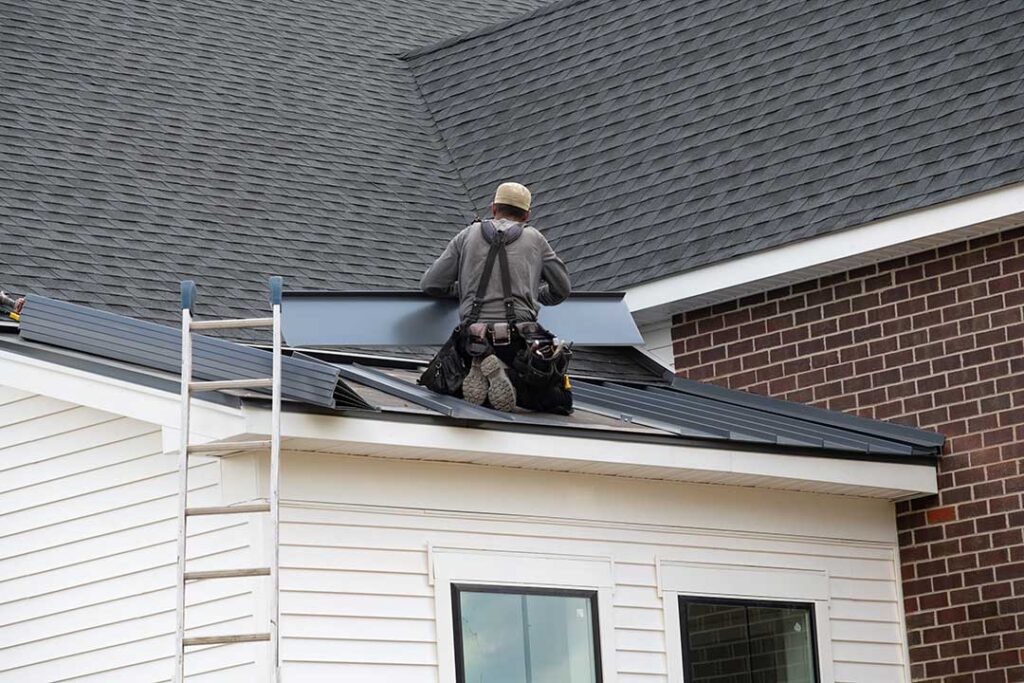
A roof leak is more than a wet spot on the ceiling. Water can travel through insulation, framing, wall cavities, and floor systems before the original entry point becomes obvious. In Greene, NY, repeated rain, snow, ice, freeze-thaw cycles, and seasonal temperature changes can make roof-related moisture problems harder on a home over time.
What happens to a house when a roof leaks?
A leaking roof allows water to reach materials that are designed to stay dry. Wood framing, insulation, drywall, electrical components, and finishes may all be affected, depending on where the water travels.
The visible drip may not be directly below the damaged roofing material. Water can move along roof decking, rafters, trusses, insulation, or framing before it finds an opening. This is why a small ceiling stain can sometimes indicate a larger concealed problem.
A leak that continues through multiple weather events may lead to:
- Staining and deterioration of roof decking
- Damp or compressed insulation
- Swollen drywall and damaged ceiling finishes
- Rot in rafters, trusses, or wall framing
- Corrosion around fasteners and metal components
- Mold growth where moisture remains trapped
- Damage to flooring, cabinets, or stored belongings
The effect depends on the amount of water, how long the materials stay wet, the location of the leak, and whether the affected area can dry completely.
Can a roof leak weaken the roof structure?
Yes. Persistent moisture can weaken structural wood, particularly where water collects or where ventilation is poor. Roof decking may soften, delaminate, or lose its ability to hold fasteners securely. Rafters and trusses can also deteriorate if water repeatedly reaches their connection points.
Structural damage is not always visible from inside the living space. Attic areas may reveal darkened wood, musty odors, rusted nails, sagging insulation, or damp sheathing. In more advanced cases, the roof surface may appear uneven or sag between supports.
A single short-term leak does not automatically mean the roof structure has failed. However, long-term or recurring moisture should not be dismissed simply because the roof has not visibly collapsed. Wood can lose strength gradually while the exterior still appears mostly normal.
How can water move from the roof into walls and ceilings?
Water usually follows gravity, but building materials can redirect it. Roof decking, framing, insulation, vapor barriers, and drywall may carry moisture sideways or downward. A leak near a roof edge can reach exterior walls, while a leak near a plumbing vent or roof penetration may spread into an attic or upper-floor ceiling.
Water may enter through:
- Damaged or missing shingles
- Cracked flashing around roof penetrations
- Failed sealant
- Openings around chimneys or vents
- Valleys where roof sections meet
- Ice-related backup along the roof edge
- Blocked or poorly draining roof areas
The first visible stain may appear several feet away from the actual entry point. Painting over the stain without finding the source can hide evidence temporarily while moisture continues inside the assembly.
What damage can occur inside walls?
A roof leak can affect wall framing even when there is no obvious damage on the wall surface. Water that reaches the top of an exterior wall may soak the wall’s upper framing, insulation, drywall, and air-sealing materials.
Possible signs include:
- Peeling paint or bubbling drywall
- A soft or swollen area near the ceiling
- Musty smells
- Staining around corners or upper wall sections
- Trim that separates from the wall
- Persistent humidity in one room
- Insects attracted to damp wood
If framing remains damp, wood decay may develop. Wet insulation can also lose effectiveness and may remain damp longer than expected, especially in enclosed wall cavities. This can contribute to drafts, uneven room temperatures, and higher heating demands.
Can a roof leak cause mold?
A roof leak can create conditions that support mold growth, especially when moisture is trapped in insulation, drywall, or wood. Mold does not require standing water. Repeated dampness, limited air movement, and moderate temperatures may be enough.
Mold-related concerns are more likely when:
- The leak has continued unnoticed
- Materials remain damp for more than a brief period
- The attic has limited ventilation
- Insulation prevents the area from drying
- Water has entered a wall or ceiling cavity
- The affected space has elevated humidity
Mold is not the only concern. Moisture can also cause wood decay, unpleasant odors, corrosion, and deterioration of finishes. Drying the visible surface does not necessarily dry the insulation or framing behind it.
Why are winter roof leaks especially concerning?
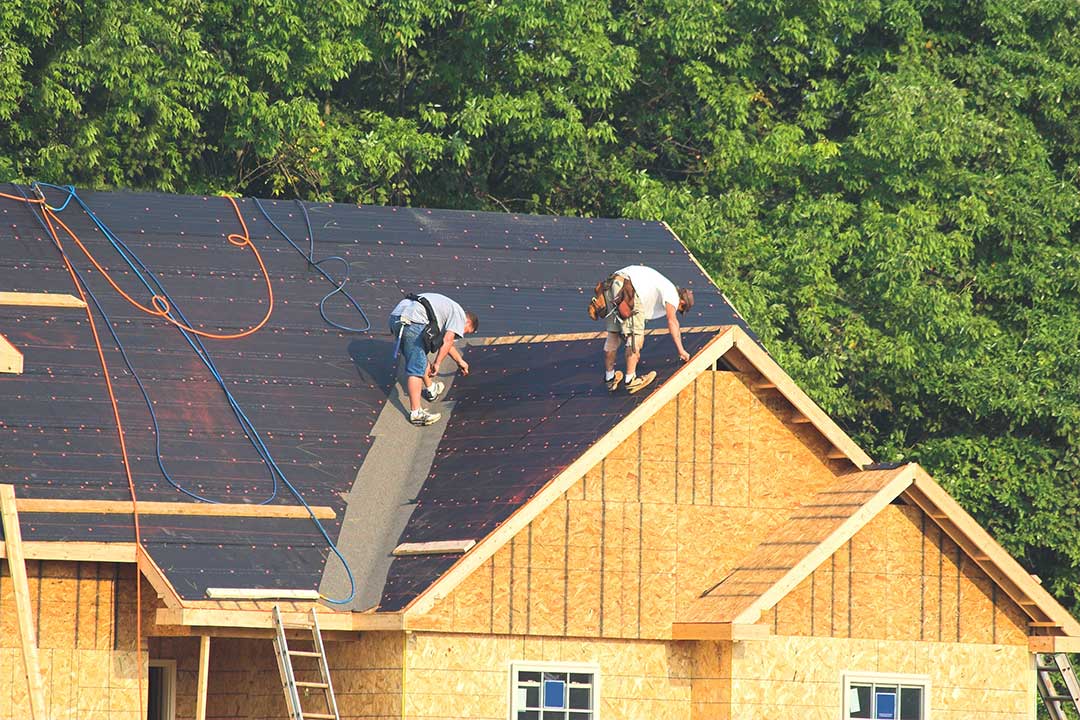
Winter conditions can produce roof leaks through more than direct rainfall. Snow can cover damaged roofing materials, while ice buildup near roof edges may interfere with normal drainage. Meltwater can then move beneath roofing materials or enter small openings that would not be obvious during dry weather.
Freeze-thaw cycles can also enlarge cracks and openings. Water enters a small gap, freezes, expands, and places additional pressure on surrounding materials. Repeated cycles may worsen flashing defects, masonry joints, and roofing damage.
After a winter event, signs of trouble may include ceiling stains, damp attic insulation, icicles forming in unusual locations, or water appearing during a thaw rather than during active precipitation.
Does a small ceiling stain require immediate attention?
A small stain deserves investigation, even if it appears dry. The mark may represent an old, resolved leak, but it can also indicate an active problem that only occurs during certain wind directions, rain intensity, snow conditions, or thaw cycles.
Residents can safely observe and document:
- The size and location of the stain
- Whether it changes after rain or snow
- Any musty odor
- Sagging, bubbling, or soft drywall
- Dampness in accessible attic areas
- New stains near lights, vents, or electrical fixtures
Water near electrical equipment requires extra caution. A sagging ceiling, active dripping, exposed wiring, or rapidly spreading water may present a safety hazard. In those situations, avoid touching wet electrical components and keep people away from the affected area until the hazard is controlled.
How can homeowners reduce structural damage after discovering a leak?
The first priority is limiting exposure to water without creating a personal safety risk. Do not climb onto a wet, icy, or snow-covered roof. Roof surfaces may be unstable, and hidden damage can make walking hazardous.
Reasonable immediate steps include:
- Place containers under active drips.
- Move furniture and belongings away from the affected area.
- Photograph stains and visible damage for records.
- Check whether the stain changes after weather events.
- Keep the area ventilated when safe and practical.
- Avoid sealing or painting over damp materials.
- Do not cut into a ceiling if water may be pooled above it.
- Treat sagging ceilings and exposed electrical components as urgent hazards.
A qualified inspection may be necessary when structural wood, electrical systems, concealed cavities, or significant water damage may be involved. This is particularly true if the roof has sagging areas, the leak has recurred, or the home has experienced prolonged dampness.
What should be checked in the attic?
An attic inspection can reveal damage before it becomes obvious in finished rooms. Look for discolored roof decking, wet insulation, rusted fasteners, darkened framing, daylight through roof openings, and trails or stains that show how water has moved.
The condition of the insulation matters. Insulation that is compressed, soaked, or contaminated may not perform properly even after the surrounding area appears dry. Roof ventilation should also be considered because trapped heat and moisture can contribute to condensation, especially during cold weather.
A roof leak and attic condensation can look similar from inside the home. Moisture patterns, weather timing, ventilation conditions, and the location of staining help distinguish between the two. Either issue can damage building materials if it continues.
How long can a home remain safe with a roof leak?
There is no reliable universal time limit. A minor leak during one brief storm may cause limited damage, while a slow leak that remains hidden for months can affect framing and insulation. The risk increases when water reaches structural connections, remains trapped, or repeatedly wets the same materials.
The safest approach is to treat unexplained moisture as a building-maintenance problem that needs timely investigation. Early attention can help determine whether the issue is limited to a roof covering or has extended into the home’s structural system.
