
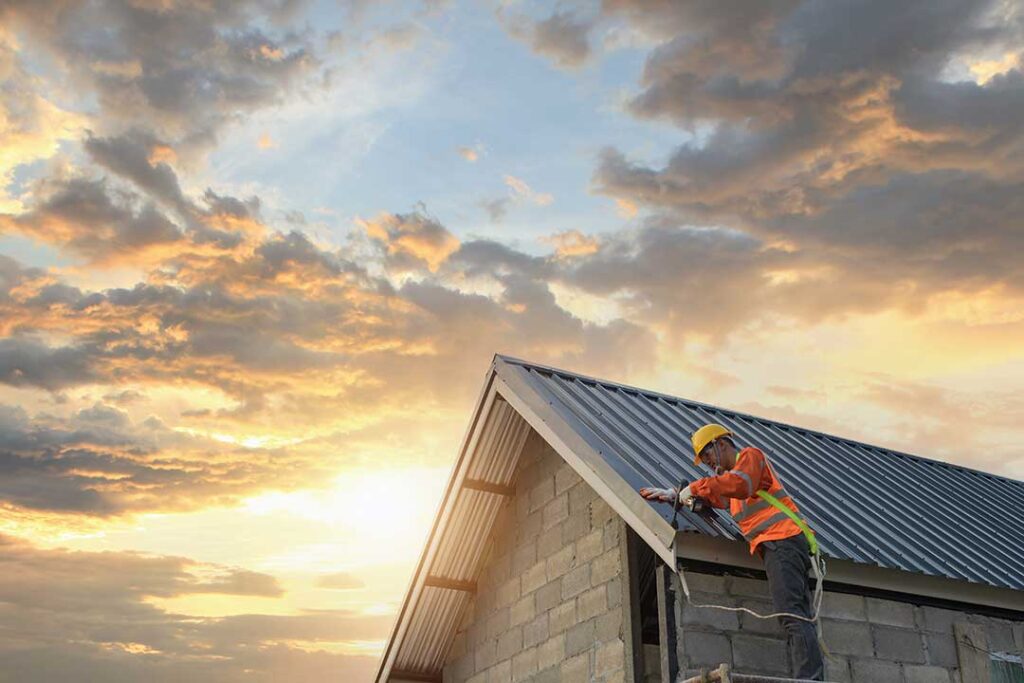
Replacing a roof is a major household expense, and many residents in Greene, NY consider financing when savings do not cover the full cost. The right option depends on the roof’s urgency, the home’s equity, credit history, income, and how much monthly payment the household can comfortably manage.
Financing can make a necessary repair more manageable, but it also adds interest, fees, and repayment obligations. Comparing the total cost—not just the advertised monthly payment—is essential.
What financing options are available for a new roof?
Most homeowners use one of five approaches: cash savings, a personal loan, a home equity loan, a home equity line of credit, or financing arranged through a roofing contractor or lender.
Cash savings
Paying from savings avoids interest and loan fees. It may be practical when the roof can be replaced without draining emergency funds.
A roof replacement should not leave a household without money for heating repairs, insurance deductibles, medical costs, or other urgent needs. In a climate with cold winters, snow, ice, and strong seasonal temperature changes, maintaining a reasonable cash reserve can be especially important.
Personal loans
A personal loan is usually unsecured, meaning the home is not used as collateral. The lender generally evaluates credit, income, existing debt, and repayment history.
Personal loans may offer:
- A fixed monthly payment
- A defined repayment period
- No lien placed directly on the home
- Faster funding than some home-equity products
The interest rate may be higher than a secured loan because the lender takes more risk. Before accepting an offer, review the annual percentage rate, origination fees, late fees, prepayment rules, and total amount repaid.
Home equity loans
A home equity loan provides a lump sum based partly on the equity in the property. Equity is the home’s current value minus the balance owed on the mortgage and other liens.
This type of loan commonly has a fixed interest rate and predictable payments. It can work well when the roofing cost is known in advance and the homeowner wants a set repayment schedule.
The main risk is that the home secures the loan. If payments are not made as agreed, foreclosure risk may exist. A home equity loan also adds another monthly obligation alongside the primary mortgage.
Home equity lines of credit
A HELOC works more like a revolving line of credit. The homeowner can generally draw funds up to an approved limit during a specified borrowing period.
A HELOC may be useful when the final cost is uncertain or when several related repairs may be needed. However, many HELOCs have adjustable interest rates, so payments can rise over time. Some begin with interest-only payments and later require principal repayment, which can create a noticeable increase.
A HELOC should not be viewed as low-risk simply because the initial payment appears affordable. The home is collateral, and failing to repay the balance can put the property at risk.
Is contractor-arranged roof financing a good idea?
Contractor-arranged financing may be convenient, but it should be evaluated like any other loan. The fact that an offer is presented during a roofing discussion does not make it cheaper or safer.
Ask for the complete written terms, including:
- Annual percentage rate
- Loan length
- Total repayment amount
- Monthly payment after any introductory period
- Deferred-interest conditions
- Late-payment charges
- Prepayment penalties
- Whether the lender or financing company places a lien on the home
Be cautious with offers advertised as “no interest” or “no payments” for a limited period. Some arrangements charge interest retroactively if the balance is not fully paid by the promotional deadline.
New York consumer guidance also warns homeowners not to let a contractor pressure them into a particular lender or encourage inaccurate information on a loan application. The borrower should be free to compare financing independently.
Can homeowners use insurance money to pay for a new roof?
Insurance may cover roof damage caused by a covered event, but it generally does not pay for ordinary aging, deferred maintenance, or gradual wear. Coverage depends on the policy, the cause of damage, exclusions, deductibles, and the insurer’s evaluation.
A homeowner should understand whether the policy pays actual cash value or replacement cost. Actual cash value usually accounts for depreciation. Replacement-cost coverage may provide additional funds after qualifying work is completed, subject to the policy’s conditions.
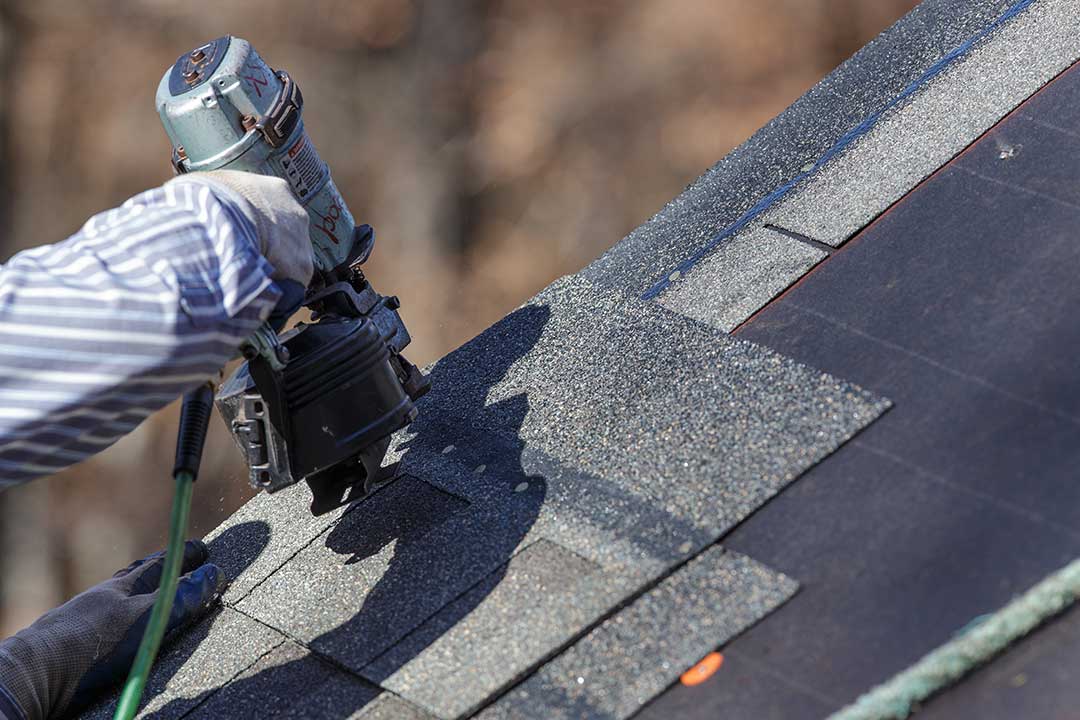
Financing may be needed temporarily while an insurance claim is being reviewed. Before borrowing, confirm the expected insurance payment, deductible, documentation requirements, and deadlines. Borrowing the full replacement amount before the claim is settled can create problems if the insurer pays less than expected.
What should Greene residents compare before borrowing?
The lowest monthly payment is not necessarily the least expensive option. A longer loan term can reduce the monthly bill while substantially increasing total interest.
A useful comparison includes:
1. The amount borrowed
2. The interest rate and annual percentage rate
3. Fixed or variable payment terms
4. Loan origination and closing costs
5. Total repayment over the full term
6. Whether the home is collateral
7. What happens if the roof cost exceeds the original budget
8. Whether extra payments reduce principal without penalty
For example, a five-year loan and a fifteen-year loan may finance the same roof, but the longer term can result in considerably more interest. A variable-rate line of credit may begin below a fixed-rate loan and become more expensive later.
Households should also consider timing. A small leak may become interior water damage after repeated rain, snow, or ice. Delaying a necessary replacement can increase the project cost, but rushing into a high-cost loan can create a different financial strain.
Are there special financing concerns for older homes?
Older homes may require additional work involving roof decking, flashing, ventilation, chimneys, gutters, or structural areas. These items can affect the final price and may not be included in an initial roofing-only budget.
Before choosing a loan amount, ask whether the quoted work includes removal and disposal, permits if required, replacement of damaged wood, ventilation adjustments, and cleanup. Borrowing too little may require a second loan or high-interest credit later.
Local weather also matters. Work planned near winter should account for shorter daylight, freezing temperatures, and possible scheduling delays. A financing agreement should not assume that every project will be completed immediately or that the first budget will never change.
What financing mistakes should homeowners avoid?
Several common mistakes make roof financing more expensive than expected:
- Comparing monthly payments without comparing total repayment
- Using credit cards for a large balance without a realistic payoff plan
- Assuming a promotional rate will last for the entire loan
- Signing blank or incomplete financing documents
- Borrowing against home equity without considering future housing plans
- Ignoring fees, variable rates, or balloon payments
- Taking out more than needed for unrelated spending
- Allowing urgency or weather concerns to replace careful review
If a household is already having difficulty making mortgage payments, adding a home-secured loan may not be appropriate. A housing counselor or qualified financial adviser can help review alternatives before additional debt is taken on.
What is the safest way to decide?
Start by determining whether the roof problem is an emergency, a near-term replacement, or a project that can be postponed while savings are built. Then compare at least two or three financing structures using the same borrowing amount and repayment period.
The most suitable option is usually the one that provides a manageable payment, a clearly understood total cost, and a level of risk the household can accept. Any agreement should be read in full before signing, with special attention to variable rates, liens, deferred interest, and what happens after missed payments.
For residents in Greene, planning ahead before severe seasonal weather arrives can provide more time to review the roof’s condition, check insurance coverage, and choose financing based on facts rather than pressure.
