

Why roofing misconceptions matter
Roofing problems are often misunderstood because visible symptoms do not always reveal the real cause. A ceiling stain may come from flashing, attic moisture, or an old leak rather than a simple hole in the shingles. Likewise, a roof that looks acceptable from the ground may still have weakened materials or drainage problems.
For residents of Greene, NY, seasonal changes make accurate information especially useful. Snow, ice, wind, freeze-thaw cycles, spring rain, and summer heat can all affect roofing materials in different ways. Understanding common misconceptions helps homeowners make safer, more informed maintenance decisions.
Does a roof need to be replaced as soon as it reaches a certain age?
No. Age is a warning sign, not an automatic replacement date. A roof’s condition depends on its materials, installation quality, attic ventilation, exposure to weather, previous repairs, and maintenance history.
Asphalt shingles are often discussed in terms of approximate service lives, but those ranges are not guarantees. Two roofs installed during the same year may age very differently. A roof with curled shingles, exposed underlayment, widespread granule loss, sagging areas, or repeated leaks deserves closer attention than one showing only minor surface wear.
The opposite misconception is also common: an older roof is not necessarily safe simply because it has not leaked yet. Water can move beneath roofing materials and remain unnoticed until sheathing, insulation, or interior finishes are damaged.
Can a new roof be installed directly over the old one?
Sometimes, but adding another layer is not always the best solution. Building codes may permit limited roof-over installations under certain conditions, but the existing roof still needs to be suitable for that approach.
A roof-over can conceal damaged decking, deteriorated flashing, poor drainage, or multiple layers of old materials. It may also make future repairs more difficult. A complete removal allows the roof deck and vulnerable transitions to be examined more thoroughly.
The right decision depends on the roof’s condition, the number of existing layers, the structure, and applicable New York requirements. A lower initial scope does not always mean lower long-term risk.
Does a leak always mean the shingles are failing?
No. Many leaks begin at roof details rather than in the field of the roof. Common problem areas include:
- Chimney and wall intersections
- Valleys where two roof slopes meet
- Plumbing vent penetrations
- Skylights and roof windows
- Damaged or missing flashing
- Roof edges and gutter transitions
- Ice-dam areas along the eaves
Water may travel along rafters or roof decking before appearing indoors, so the ceiling stain may be several feet away from the entry point. Replacing a few shingles without correcting the underlying flashing or drainage problem may only provide a temporary improvement.
Is a small ceiling stain harmless if it dries out?
No. A dry stain still indicates that water or moisture entered the building at some point. The source may be intermittent, appearing only during wind-driven rain, heavy snow melt, or a particular direction of rainfall.
Repeated wetting can damage wood framing, insulation, drywall, and paint. Moisture can also encourage mold growth in concealed spaces. A stain that has not grown should still be documented and watched, especially after storms or periods of melting snow.
Homeowners should also distinguish between roof leakage and attic condensation. In cold weather, warm indoor air can enter a poorly air-sealed attic and condense on cold surfaces. That moisture may resemble a roof leak even when the exterior covering is intact.
Does attic ventilation prevent every ice dam?
No. Proper ventilation helps, but it is only one part of ice-dam control. Ice dams form when heat from the building melts snow on warmer portions of the roof, while colder roof edges allow water to refreeze. Insufficient insulation, air leakage, blocked ventilation, and uneven roof temperatures can all contribute.
A balanced attic system generally works with insulation and air sealing. Intake ventilation at the eaves and exhaust ventilation near the upper roof areas must be arranged so air can move through the intended space. Adding a roof vent without correcting air leakage or blocked soffits may not solve the problem.
Greene’s winter conditions can make this issue more noticeable, particularly after repeated snowfalls followed by daytime warming and nighttime refreezing. Roof edges, gutters, and lower roof sections deserve careful attention during those cycles.
Are gutters mainly for keeping water away from sidewalks?
No. Gutters are part of the roof drainage system and help protect the building itself. They direct runoff away from siding, trim, foundations, entryways, and landscaping.
Clogged or poorly pitched gutters can cause water to back up near the roof edge. In winter, trapped water may freeze and add stress to gutters and fascia boards. Downspouts that discharge too close to the foundation can also contribute to basement dampness or soil erosion.
Gutters do not correct every drainage problem. Roof shape, valleys, flashing, downspout placement, and the slope of the ground all influence how water moves around a home.
Does more roof ventilation always make a roof better?
No. Ventilation must be properly designed and balanced. Too little ventilation can contribute to excess heat and moisture in an attic, while poorly placed or obstructed vents may provide little useful airflow.
Ventilation should not be treated as a substitute for insulation or air sealing. Openings around light fixtures, ducts, attic hatches, and plumbing penetrations can allow warm, moist household air into the attic. Sealing those pathways is often just as important as providing outdoor airflow.
Unplanned openings can also allow wind-driven rain or snow into the roof assembly. The goal is controlled movement of air, not simply adding more openings.
Can moss be ignored because it is only a cosmetic issue?
Moss is not always harmless decoration. Moss and lichen can hold moisture against roofing materials, especially in shaded or damp areas. Roots and growth may lift or disturb shingles over time.
Aggressive scraping or pressure washing can damage the protective surface of shingles. Cleaning methods should account for the roofing material and should avoid forcing water beneath the shingles. Nearby tree branches may also contribute to the problem by reducing sunlight and depositing organic debris.
Moss does not automatically mean a roof needs replacement, but widespread growth, lifted shingles, or persistent dampness should not be dismissed.
Are roof repairs safe to do without special precautions?
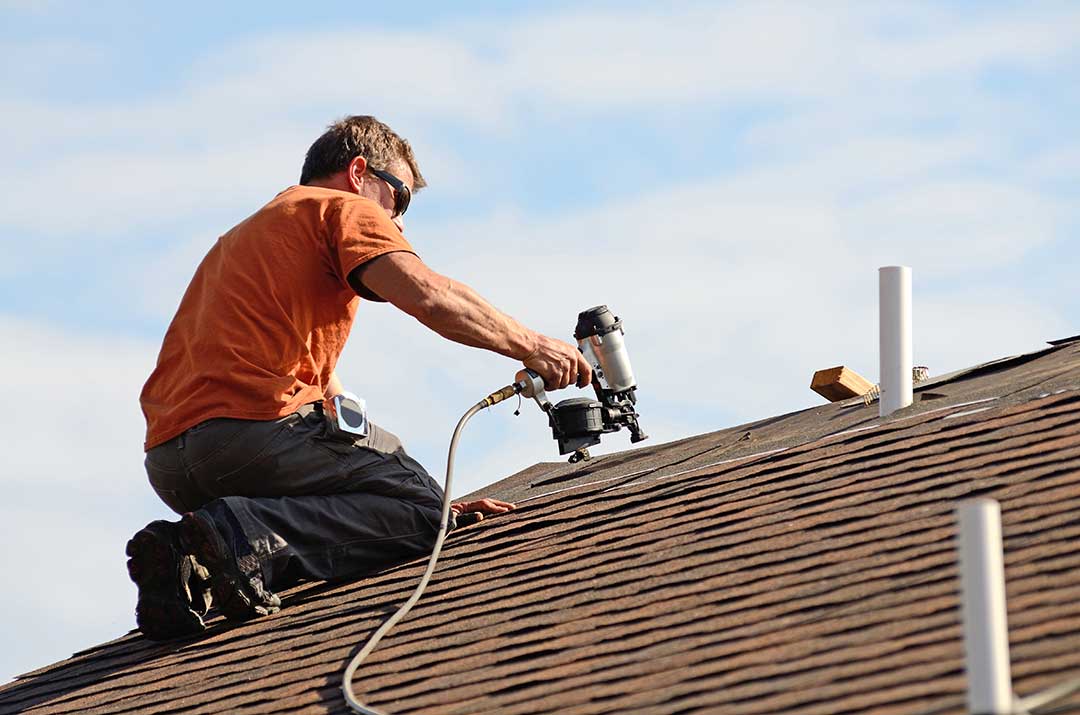
Roof work can become hazardous quickly, especially during wet, icy, windy, or snowy conditions. Sloped surfaces, brittle shingles, hidden weak spots, and nearby electrical lines create risks that are not always visible from the ground.
Snow removal from a roof also requires care. Excessive snow and ice can add substantial weight, while improvised removal can damage shingles, flashing, gutters, or roof edges. Interior signs such as cracking, unusual creaking, bowed ceilings, or doors that suddenly stick may indicate a structural concern and require prompt attention.
Routine observation from the ground is often safer than climbing onto the roof. Binoculars can help reveal missing shingles, sagging areas, exposed metal, or debris near valleys and drainage points.
What is the most reliable way to judge roof condition?
A roof should be evaluated as a system rather than by appearance alone. The surface covering, flashing, drainage, attic conditions, roof deck, insulation, and interior evidence all matter.
Useful warning signs include:
- Shingles that are missing, cracked, curled, or slipping
- Granules collecting heavily in gutters
- Sagging or uneven roof lines
- Rusted, loose, or displaced flashing
- Repeated ceiling stains
- Damp attic insulation or musty odors
- Water overflowing from gutters during ordinary rain
- Ice buildup that returns in the same roof area
No single sign proves that a roof has reached the end of its service life. Looking at the pattern, location, and history of the problems provides a more accurate picture than relying on age, appearance, or one isolated leak.
