
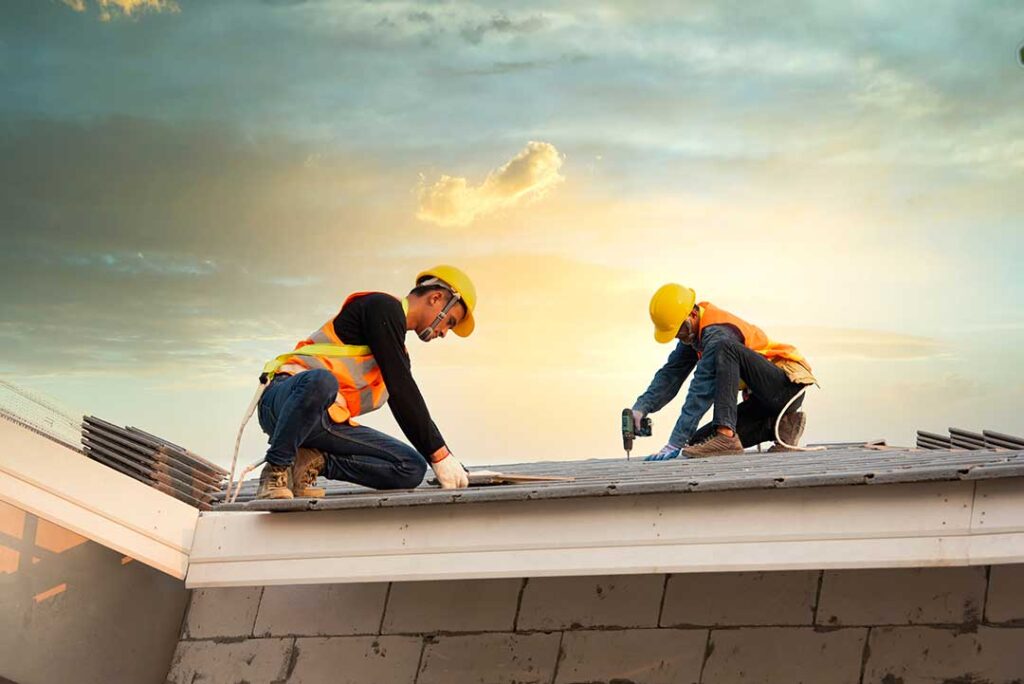
Solar panels can work well on many homes in Greene, NY, but the condition and design of the roof should be evaluated before installation is planned. A solar array is a long-term addition to the building, so the roof covering, underlying structure, drainage, access, and future repair needs all deserve attention.
Is my roof suitable for solar panels?
A suitable roof is generally in sound condition, has enough usable space, and can support the additional equipment without creating drainage or maintenance problems. Solar panels are not a substitute for repairing an aging or damaged roof.
Before moving forward, look for:
- Missing, cracked, curling, or deteriorated shingles
- Soft areas, sagging, or visible structural movement
- Water stains in the attic or upper floors
- Heavy moss or algae growth that may conceal damage
- Weak roof edges, damaged flashing, or failing valleys
- Limited south-, southeast-, or southwest-facing roof space
- Shade from trees, chimneys, dormers, or nearby structures
The roof does not need to be new, but its remaining service life should be considered. If a roof may need replacement in the next several years, installing panels first can create extra work. The panels may have to be removed and reinstalled during reroofing, and roof repairs become more complicated once mounting hardware and wiring are in place.
How old should a roof be before solar installation?
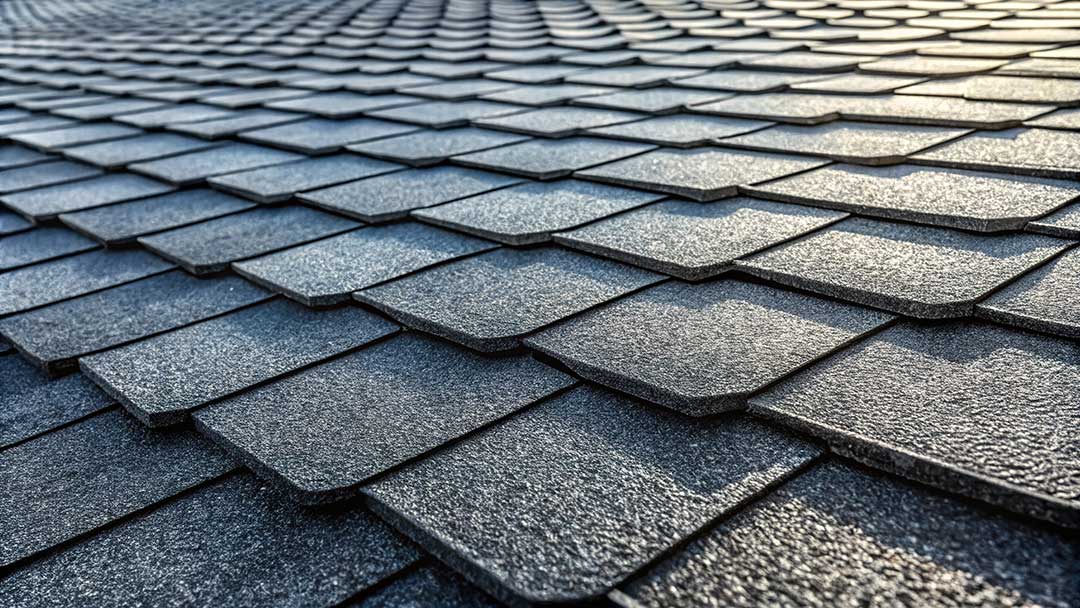
There is no universal age cutoff, but an older roof deserves a closer inspection. Asphalt shingle roofs can have very different remaining lifespans depending on their material, installation quality, attic ventilation, storm exposure, and maintenance history.
A roof that is already showing widespread wear may not be a good candidate for immediate panel installation. Even if the roof is not leaking today, concealed deterioration around flashing, penetrations, or roof edges can become more difficult to address later.
For homes with older roofing, it may be more practical to coordinate roof work and solar planning together. This allows mounting locations, flashing details, and future access to be considered before the roof surface is completed.
Can a roof support the weight of solar panels?
Most sound residential roofs can support a properly designed solar array, but the question is not answered by panel weight alone. The supporting structure must also account for snow, wind, mounting hardware, and how loads transfer through the roof framing.
Seasonal snow and strong wind conditions make structural planning especially relevant in the region. A roof should be checked for:
- Rafter or truss condition
- Sagging or undersized framing
- Previous structural alterations
- Water damage or rot
- Proper transfer of loads to bearing walls
- The combined effect of panels, rails, attachments, and weather loads
A structural review is particularly important for older homes, additions, buildings with unusual roof shapes, and roofs that have already experienced moisture damage. If there are signs of movement, rot, or significant deterioration, those issues should be resolved before panels are attached.
Do solar panels cause roof leaks?
Solar panels do not automatically cause leaks, but roof penetrations must be carefully planned and installed. Mounting points typically require attachment to the roof structure, along with weatherproofing around each penetration.
The risk of leakage increases when:
- Attachments are placed in damaged or weak areas
- Flashing is poorly fitted
- Sealants are used as the only defense against water
- Mounting hardware is not connected to structural framing
- Water is directed toward penetrations instead of away from them
- Roof repairs are attempted without accounting for the solar equipment
Good installation practice relies on properly integrated flashing and attachment methods rather than a thin bead of sealant alone. The roof should also be inspected after severe weather, especially if shingles, flashing, or panel hardware appear displaced.
How do solar panels affect roof maintenance?
Panels can make some parts of the roof harder to inspect and repair. They may cover shingles, flashing, vents, or other areas that would otherwise be visible. Snow, leaves, and debris can also collect differently around the array.
Routine maintenance should include observing:
- Whether water is draining normally around the array
- Any new staining in the attic or ceiling
- Loose, lifted, or damaged panels
- Exposed wiring or damaged conduit
- Debris buildup beneath the panels
- Signs of birds, rodents, or nesting activity
- Changes in roof appearance around mounting points
Do not walk on solar panels or attempt to disconnect wiring. Even when the electrical system is turned off, panels can produce electricity in daylight. Roof access can also be hazardous because panels create additional obstacles and slippery surfaces.
Will snow be a problem?
Snow generally slides differently from a bare roof once panels are installed. Smooth panel surfaces may allow snow to release suddenly, creating a falling hazard near entrances, walkways, vehicles, or lower roof sections.
Panel placement should account for:
- Doorways and frequently used paths
- Lower roofs where falling snow may collect
- Roof edges and eaves
- Snow guards or other retention measures
- Safe access for inspection and maintenance
Snow should not be scraped from panels with tools that can scratch or crack the glass. Homeowners should also avoid standing beneath an array during thawing conditions if snow can release from above.
What permits and code requirements apply?
Residential solar installations generally require building and electrical approval before work begins. Requirements can include structural information, equipment specifications, roof access details, electrical diagrams, and inspection of the completed installation.
In Greene, requirements may involve both New York State construction rules and local permitting procedures. Rules can change, so the applicable requirements should be confirmed before materials are ordered or work begins.
Solar installations must also preserve required access and ventilation routes for emergency response. Panels should not be arranged in a way that blocks necessary roof pathways, vents, electrical equipment, or safe working areas.
Does roof direction matter?
Roof direction affects how much sunlight panels receive and when electricity is produced. Roofs with strong sun exposure and limited shade are usually more useful than roofs facing into heavy tree cover.
However, direction is only one factor. Panel layout may also be limited by:
- Chimneys, dormers, skylights, and plumbing vents
- Roof ridges, hips, valleys, and irregular shapes
- Shade from mature trees
- Required clearances around roof edges
- Electrical equipment locations
- Areas reserved for future repairs
A smaller array on a clear, accessible roof section may be more practical than covering every available surface.
What should homeowners ask before installation?
Useful questions include:
- How much remaining roof life is expected?
- Where will each roof attachment be placed?
- How will penetrations be flashed and weatherproofed?
- Will the roof structure be reviewed?
- How will snow shedding be managed?
- What areas must remain accessible?
- What happens if a roof repair is needed later?
- Who is responsible for removing and reinstalling panels?
- How will abandoned equipment, wiring, or panels be handled in the future?
The most reliable plans treat the roof and solar equipment as a single building system. Careful attention to roof age, structural condition, water management, seasonal snow, and future maintenance can prevent avoidable problems and help the installation remain practical for many years.
