
Shingle curling and cracking are common signs that an asphalt roof is losing its ability to shed water. Some changes develop gradually with age, while others are connected to ventilation problems, installation conditions, severe weather, or repeated seasonal stress.
For homeowners in Greene, NY, the local cycle of cold winters, snow, summer heat, wind, and rapid temperature changes can place repeated strain on roofing materials. Recognizing the difference between minor surface wear and a developing leak can help determine what should happen next.
What do curling and cracked shingles look like?
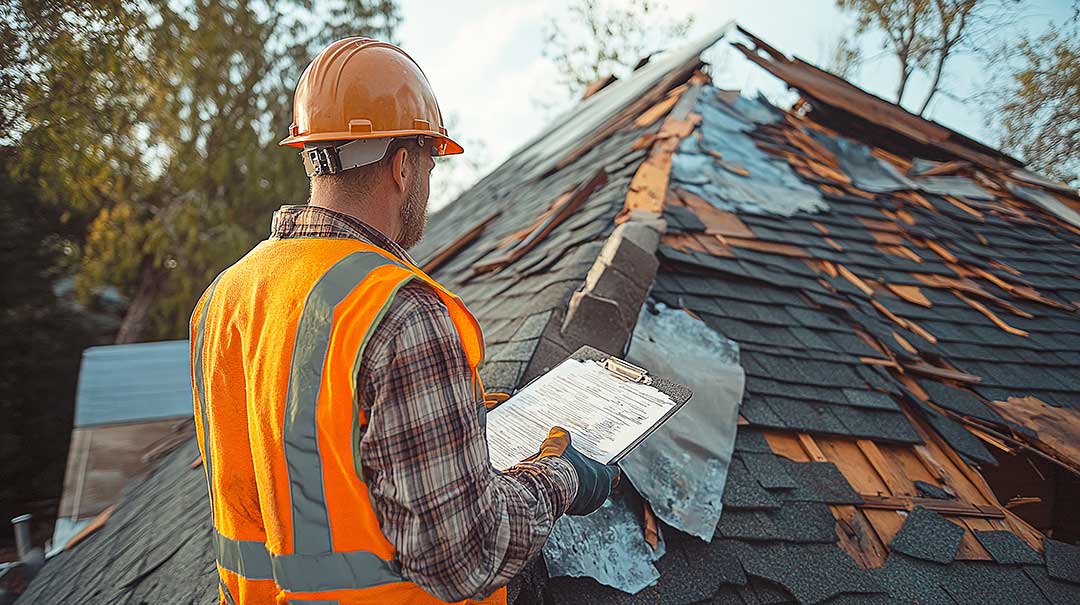
Curling shingles usually have edges or corners that lift away from the roof surface. The shingles may curl upward at the bottom edge, cup across the middle, or appear wavy instead of lying flat.
Cracked shingles show visible splits, often running vertically or horizontally through the shingle surface. Small cracks may be difficult to see from the ground, while larger cracks can expose the underlying layer.
Other related warning signs include:
- Missing granules in gutters or at the base of downspouts
- Bald spots where the dark or colored surface has worn away
- Shingles that are loose, lifted, or displaced
- Exposed nail heads or underlayment
- Dark stains on attic wood or roof decking
- Water marks on ceilings or upper walls
A few isolated damaged shingles do not always indicate that the entire roof has failed. However, widespread curling or cracking usually means the roof system requires closer evaluation.
Why do asphalt shingles curl?
Age is one of the most common causes. As shingles become brittle, they gradually lose flexibility and may no longer remain flat. Curling can begin at the edges before becoming visible across larger areas.
Poor attic ventilation can also contribute. During winter, warm air from the living space may enter the attic and warm the underside of the roof. If moisture and heat cannot escape properly, the roof assembly may experience condensation, uneven drying, and repeated expansion and contraction.
Installation conditions can matter as well. Shingles installed over a damp, uneven, or improperly prepared surface may not seal or lie flat correctly. Inadequate fastening, poor alignment, or installation during unsuitable weather can create problems that become more obvious later.
Other possible causes include:
- Long-term exposure to ultraviolet light
- High winds that lift shingle edges
- Repeated freeze-thaw cycles
- Moisture trapped beneath the roofing materials
- Manufacturing defects affecting a limited batch of shingles
- Roof layers installed over one another without correcting underlying problems
Curling is not always caused by a single issue. An older roof may show age-related curling while also having ventilation or moisture concerns that accelerate deterioration.
What causes shingles to crack?
Cracking often develops when asphalt shingles lose their flexibility. Cold weather makes roofing materials more rigid, while summer heat causes expansion. Repeated movement over many seasons can create stress lines and splits.
Thermal movement is particularly noticeable on roofs with large areas of direct sun exposure. One section may heat up quickly while another remains shaded, creating uneven movement across the roof surface.
Cracking can also result from physical stress. Walking on brittle shingles, falling branches, wind-blown debris, or ice-related impacts may damage the surface. Severe weather may leave marks that are not immediately recognized as roof damage.
Not every visible line is an active leak. Some surface cracks remain shallow for a period of time. Others extend through the full shingle and allow water to reach the underlayment or roof deck. Because the depth is difficult to judge from the ground, cracked shingles deserve attention even when the attic appears dry.
Are curling or cracked shingles an emergency?
They can be, but not every case requires immediate action. A small number of slightly curled shingles without signs of water entry may be an early maintenance concern. Widespread curling, open cracks, missing shingles, or damage around roof penetrations deserves faster attention.
Treat the situation as urgent if any of these conditions are present:
- Water is actively entering the attic or living space
- Ceiling stains are growing or appearing after rain
- Roof decking feels soft or appears discolored
- Shingles are missing after wind or a storm
- Large areas are lifted, cracked, or exposed
- Water is collecting around chimneys, vents, skylights, or roof edges
- The attic contains wet insulation or visible condensation
A leak may not appear directly below the damaged shingle. Water can travel along roof decking, rafters, insulation, or interior framing before becoming visible indoors.
Can curled shingles be repaired?
Sometimes, but the answer depends on their condition and the extent of the damage. A limited number of recently lifted shingles may be able to lie flat again if the material remains flexible and the damage is minor. Brittle shingles that have been curled for a long time may break when disturbed and may not reseal reliably.
Repairs are more likely to be practical when:
- Damage is limited to a small area
- The surrounding shingles remain flat and flexible
- There is no evidence of widespread moisture damage
- The roof is otherwise in sound condition
- The affected area can be sealed without disturbing large sections
Replacing a few shingles may not solve the underlying problem if poor ventilation, uneven decking, or repeated wind exposure is involved. A repair should address both the visible damage and the reason it developed.
When does damage suggest broader roof replacement?
Replacement becomes more likely when curling and cracking are widespread, especially if the roof is older or has several other signs of deterioration. A roof with extensive granule loss, brittle shingles, exposed underlayment, recurring leaks, and damaged flashing may be near the end of its serviceable life.
Age alone does not determine the condition of a roof. Two roofs of the same age can perform differently because of differences in shade, ventilation, installation quality, storm exposure, and maintenance. A roof that receives heavy sun and wind may deteriorate faster than one in a more protected setting.
If damage is concentrated on one slope, the cause may be localized. If every slope shows similar curling and cracking, normal aging or a system-wide problem is more likely.
What can homeowners safely check from the ground?
A ground-level inspection can identify warning signs without placing anyone on a potentially unsafe roof. Use binoculars if needed and look along the eaves, ridges, valleys, and roof penetrations.
Check for:
- Uneven rows or lifted corners
- Missing or displaced shingles
- Dark areas that remain after surrounding surfaces dry
- Excessive granules in gutters
- Sagging roof lines
- Damaged metal around vents, chimneys, or edges
- Branches or debris resting on the roof
A roof should not be walked on simply to confirm suspected damage. Sloped surfaces become especially hazardous when wet, icy, frosty, or covered with loose granules. In winter conditions common to the region, attempting a roof inspection can create a greater safety risk than the original problem.
How do attic conditions affect shingle life?
The attic provides useful information because it shows whether moisture is reaching the underside of the roof. Look for damp insulation, rusty fasteners, dark staining, mold-like growth, or daylight visible through the roof deck.
Condensation can resemble a roof leak. Moist indoor air may collect on cold roof surfaces during winter, particularly when bathroom or kitchen exhaust is discharged into the attic instead of outdoors. Inadequate intake or exhaust ventilation can also allow excess heat and moisture to remain trapped.
Improving ventilation does not repair already damaged shingles, but correcting airflow and moisture problems may help prevent premature deterioration in roofing materials that are still serviceable.
What should happen after curling or cracking is discovered?
First, document what is visible from a safe location. Photographs taken from the ground and notes about when the damage appeared can help distinguish gradual aging from storm-related deterioration.
Next, check the attic and upper interior areas for signs of water entry. Do not cover an active leak with materials that could trap moisture, and avoid using electrical fixtures near wet areas.
The key questions are whether the damage is isolated or widespread, whether water is entering, and whether an underlying ventilation or moisture problem is contributing. Answering those questions leads to a more appropriate repair decision than judging the roof solely by its appearance.
