
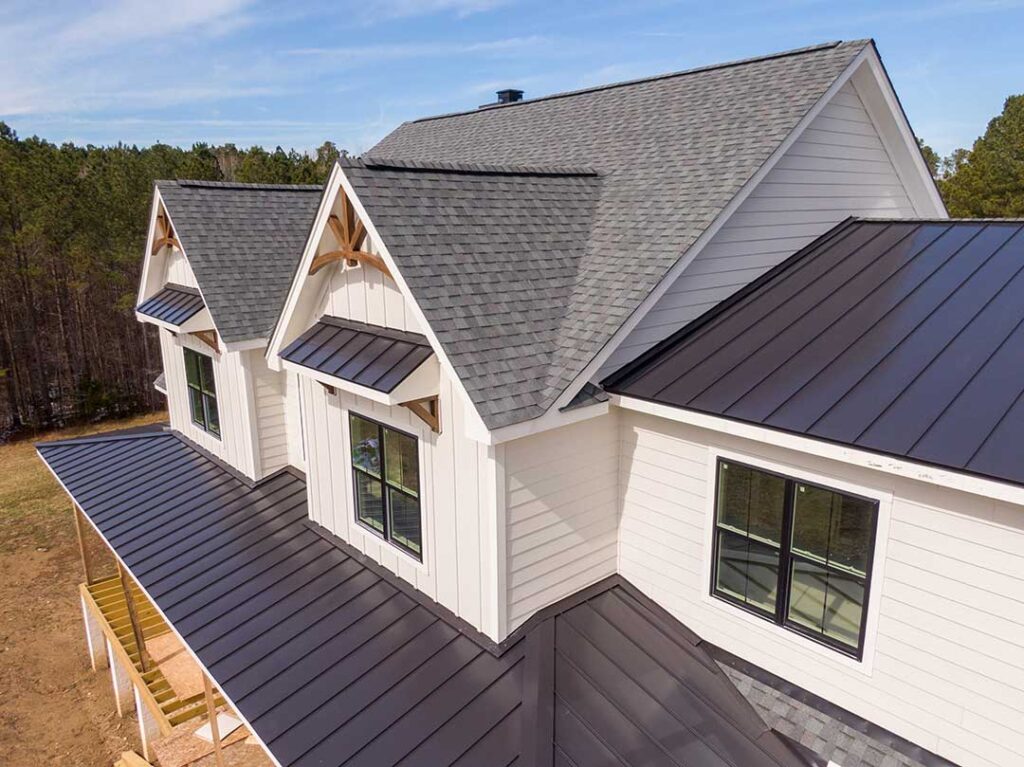
Green roofs are not suitable for every home, but they can be worthwhile on the right building. In Greene, NY, the decision depends less on appearance and more on roof structure, drainage, snow and ice conditions, maintenance expectations, and the owner’s reason for installing one.
A green roof—also called a vegetated roof—places specially designed growing media and plants above a waterproof roofing system. It is different from simply putting planters on a roof. A complete system may include a root-resistant membrane, protection layer, drainage layer, filter fabric, engineered soil, vegetation, and overflow drainage.
What types of green roofs are available?
The two main categories are extensive and intensive green roofs.
Extensive systems are relatively shallow and lightweight. They usually support low-growing, drought-tolerant plants such as sedums, mosses, and other hardy ground covers. These systems are designed primarily for stormwater control, insulation, and environmental benefits rather than regular access or gardening.
Intensive systems contain deeper soil and can support a wider range of plants, including grasses, shrubs, and sometimes small trees. They weigh substantially more and require more irrigation, maintenance, structural capacity, and planning. A roof garden is an intensive system.
For most residential applications, an extensive system is the more realistic option. Even then, it is generally easier to incorporate into a flat-roof addition, garage, porch, or low-slope building than onto a conventional steeply pitched house roof.
Are green roofs practical in Greene, NY?
They can be, but local weather creates several design challenges. The area experiences snow, freezing temperatures, ice formation, spring melt, heavy rain, and repeated freeze-thaw cycles. A green roof must be designed to manage both rainfall and water from melting snow.
The roof should not remain saturated for long periods. Drainage paths must stay clear, and the system needs dependable overflow protection for intense storms. Plant selection also matters. Vegetation must tolerate cold winters, summer heat, wind exposure, periods of dryness, and occasional standing moisture.
A green roof is usually more practical when the building has:
- A flat or low-slope roof
- A structurally sound roof deck and framing system
- Safe access for inspection and maintenance
- Adequate drainage and overflow routes
- Few complicated penetrations, skylights, or mechanical units
- A waterproofing system specifically designed for vegetated roofing
Steep roofs present additional concerns because soil and drainage layers can shift. Special stabilization methods may be needed, and some green-roof systems are limited to relatively low slopes.
What are the main benefits?
The most measurable benefit is stormwater reduction. Soil and plant layers temporarily hold rainfall, allowing some water to evaporate or be used by plants. The remaining runoff is released more slowly than water flowing directly from an impervious roof into gutters and downspouts.
That can reduce peak runoff during heavy rain. It does not eliminate runoff, however, and it should not be treated as a substitute for properly sized roof drainage.
Green roofs can also:
- Protect the waterproofing membrane from ultraviolet exposure and temperature swings
- Reduce roof-surface temperatures during warm weather
- Add some insulation and reduce heat transfer
- Provide habitat for insects and birds
- Reduce the visual impact of a roof on nearby buildings
- Help moderate the temperature of stormwater leaving the site
The energy benefit is often overstated. A green roof may improve summertime performance, especially on a low-slope roof with limited insulation, but it is not a replacement for a well-insulated building envelope. In a cold climate, insulation, air sealing, windows, and heating-system efficiency usually have a greater effect on household energy use.
What are the disadvantages?
The largest drawback is cost and complexity. A green roof requires more than plants and soil. Waterproofing, drainage, edge restraints, root protection, access paths, and inspection points all add materials and labor.
Weight is another serious concern. Saturated growing media can weigh much more than it does when dry. The roof structure must be evaluated for the combined weight of the system, retained water, snow, maintenance workers, and other roof loads. A roof that safely supports ordinary roofing materials may not be suitable for a vegetated assembly.
Maintenance is also necessary. Even low-maintenance systems need periodic inspection for:
- Blocked drains and overflow outlets
- Bare areas or dead vegetation
- Invasive weeds or unwanted woody growth
- Erosion or movement of growing media
- Damage around roof edges, vents, and penetrations
- Standing water that persists after rain
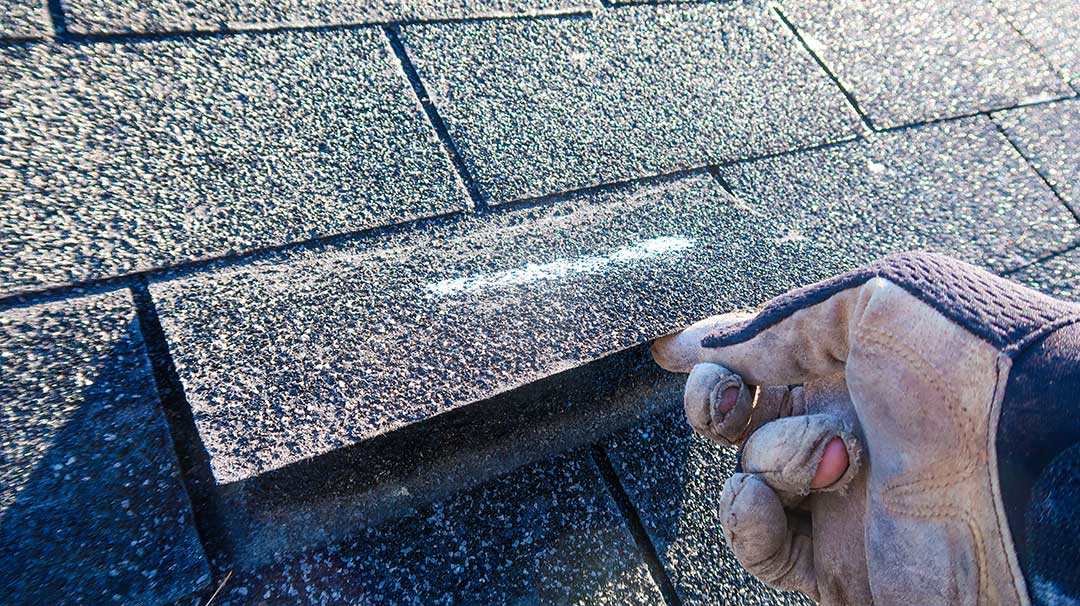
Snow removal is not normally handled the same way as on a conventional roof. Walking on frozen or snow-covered vegetation can damage the system and create a safety hazard. If snow accumulation becomes a structural concern, removal requires a carefully planned method that protects the waterproofing and plants.
Do green roofs last longer than conventional roofs?
A green roof can help extend the life of the waterproofing membrane by shielding it from sunlight, hail, temperature extremes, and daily expansion and contraction. That benefit depends on proper design and continued maintenance.
Vegetation does not repair a failed membrane. If water gets beneath the system, locating the leak may be more difficult because drainage layers and growing media cover the roof surface. For that reason, leak detection, inspection access, and careful detailing around penetrations are especially important.
A green roof should be viewed as a roof assembly with living components, not as a maintenance-free roof covering.
Is a green roof allowed under New York building requirements?
Green roofs may be permitted, but the project still has to satisfy applicable building, fire, structural, drainage, and electrical requirements. Local permit requirements can vary depending on the building type and the scope of the work.
The design should account for saturated soil weight, snow loads, wind, roof slope, fire classification, drainage, access, and safe working areas. A roof-mounted solar system, mechanical equipment, or occupied roof area may create additional requirements.
Because structural failure and concealed water damage can create serious hazards, a structural review is appropriate before adding a vegetated roof to an existing building. This is especially true for older homes, additions, detached garages, and buildings with uncertain framing history.
Can a homeowner install a small green roof?
Small do-it-yourself projects are sometimes possible on structures specifically designed for them, but a container garden is not the same as a green roof. Concentrated planters can place more stress on a roof than a distributed system, particularly after heavy rain or snow.
A small shed or purpose-built garden structure may be a better starting point than a house roof. Any project attached to an occupied building should begin with a review of the roof deck, framing, waterproofing, drainage, and access conditions.
The most common mistake is focusing on the plants before confirming that the building can safely support the complete saturated system.
When is a green roof worth the investment?
A green roof is more likely to be worthwhile when stormwater management, habitat, roof protection, or visual design has a clear value to the property. It may also make sense during new construction, when the structure and drainage system can be designed for the added loads from the beginning.
It is less likely to be economical when an existing roof needs major structural reinforcement, has a steep slope, lacks safe access, or is already experiencing leaks. Adding vegetation over a failing roof can hide problems rather than solve them.
For many households, other improvements may provide greater practical value, including better attic insulation, air sealing, upgraded flashing, rain gardens, downspout dispersion, or a durable conventional roof assembly.
The most accurate answer is that green roofs are worthwhile in Greene, NY when the building is suitable and the environmental or design benefits justify the added cost and maintenance. They are not automatically greener, cheaper, or easier than conventional roofing. A successful system depends on structural capacity, reliable waterproofing, thoughtful drainage, climate-appropriate plants, and regular inspection.
