
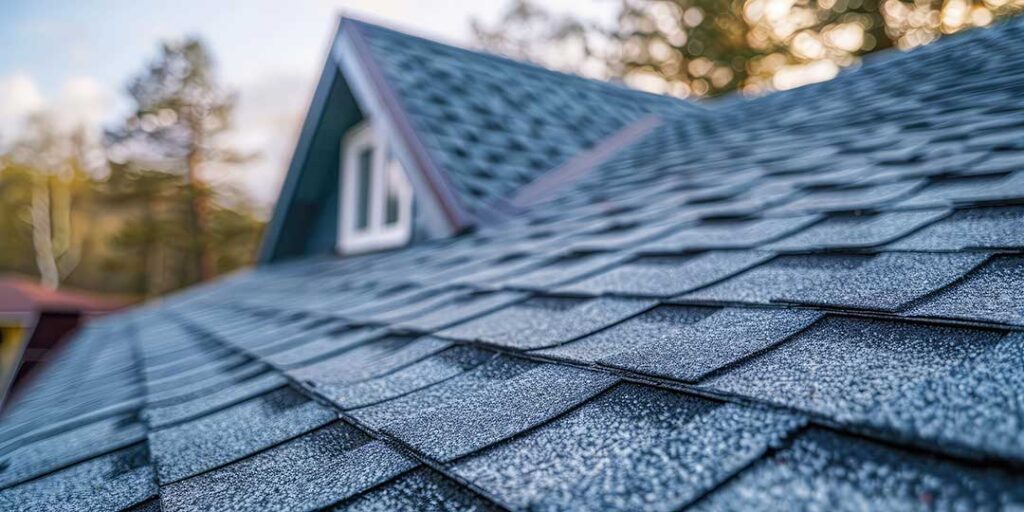
Why does sun exposure matter for a roof?
Sunlight affects roofing materials through heat, ultraviolet radiation, and repeated expansion and contraction. Over time, these forces can dry, weaken, fade, or distort roofing components, especially on roof sections that receive strong afternoon sun.
In Greene, NY, sun exposure is only one part of the roof’s environment. Roofing systems also face snow, ice, wind, rain, freeze-thaw cycles, and seasonal temperature swings. A roof that appears sound from the ground may still have hidden wear caused by years of direct sunlight.
Sun damage usually develops gradually rather than appearing as one dramatic failure. The effects may first show up as fading, curling edges, brittle surfaces, exposed reinforcement, or faster deterioration around roof penetrations.
How does ultraviolet light damage roofing materials?
Ultraviolet, or UV, radiation breaks down surface materials over time. On asphalt shingles, UV exposure can dry the protective asphalt coating and weaken the granules embedded in the shingle surface.
Granules help shield the underlying material from sunlight and weather. As they loosen, the shingle becomes more vulnerable to heat, water, and further surface wear. Some granule loss is normal, especially after installation, but widespread loss in gutters or bare-looking areas on the roof may indicate accelerated aging.
UV damage can also affect:
- Rubber flashing around vents and other penetrations
- Plastic components exposed to direct sunlight
- Roofing membranes on low-slope sections
- Sealants and exposed caulking
- Painted metal flashing and trim
The rate of deterioration depends on the material, roof color, installation quality, ventilation, slope, and the amount of direct sunlight received.
Can heat from the sun shorten roof life?
Yes. Heat can contribute to roof aging, although temperature alone does not determine how long a roof will last. Dark-colored roofing generally absorbs more solar energy than lighter-colored roofing, which can raise the temperature of the roof surface.
Repeated heating and cooling cause roofing materials to expand and contract. This movement can gradually stress seams, fasteners, flashing, sealants, and connections between different materials. The effect may be more noticeable on roofs with many penetrations, complex angles, or materials that expand at different rates.
A roof does not need to reach an extreme temperature to experience this type of stress. Daily heating followed by nighttime cooling creates repeated movement. Seasonal changes add another layer of expansion and contraction.
Heat can also make asphalt-based materials more flexible during hot weather and more brittle as they cool. Age, previous damage, and poor ventilation may increase the effect.
What signs suggest sun-related roof damage?
Sun-related wear often appears on the roof surface and along exposed details. Common signs include:
- Shingles that are curled, cracked, blistered, or unusually brittle
- Uneven fading between shaded and sunny roof sections
- Bald spots where protective granules are missing
- Exposed fiberglass mat or dark underlying areas
- Cracked or shrinking sealant near flashing
- Metal flashing with faded coatings, surface corrosion, or open seams
- Rubber boots around vents that look split, hardened, or distorted
- Roof membranes with wrinkles, bubbles, or separated seams
- Interior stains or damp areas near sun-facing roof sections
Different-looking shingles do not always mean that sunlight caused the damage. Uneven color can result from manufacturing variation, algae, debris, tree shade, or repairs. The location and pattern of the wear provide useful clues.
Damage concentrated on a south- or west-facing slope may reflect stronger afternoon exposure. However, nearby buildings, trees, roof pitch, and seasonal shade can change the actual conditions on each section.
Does roof color affect sun exposure?
Roof color can influence how much solar heat a roof absorbs, but color is not the only factor. Dark surfaces may become hotter in direct sunlight, while lighter surfaces may reflect more solar energy. A lighter roof can still age quickly if it has poor ventilation, damaged flashing, low-quality materials, or persistent moisture.
Color changes also deserve careful interpretation. Fading may be a normal aging pattern, while sudden or patchy discoloration could indicate granule loss, surface contamination, or material damage.
For existing homes, changing roof color is rarely the first step in addressing sun-related problems. Proper drainage, sound flashing, adequate ventilation, and good installation details have a major effect on overall performance.
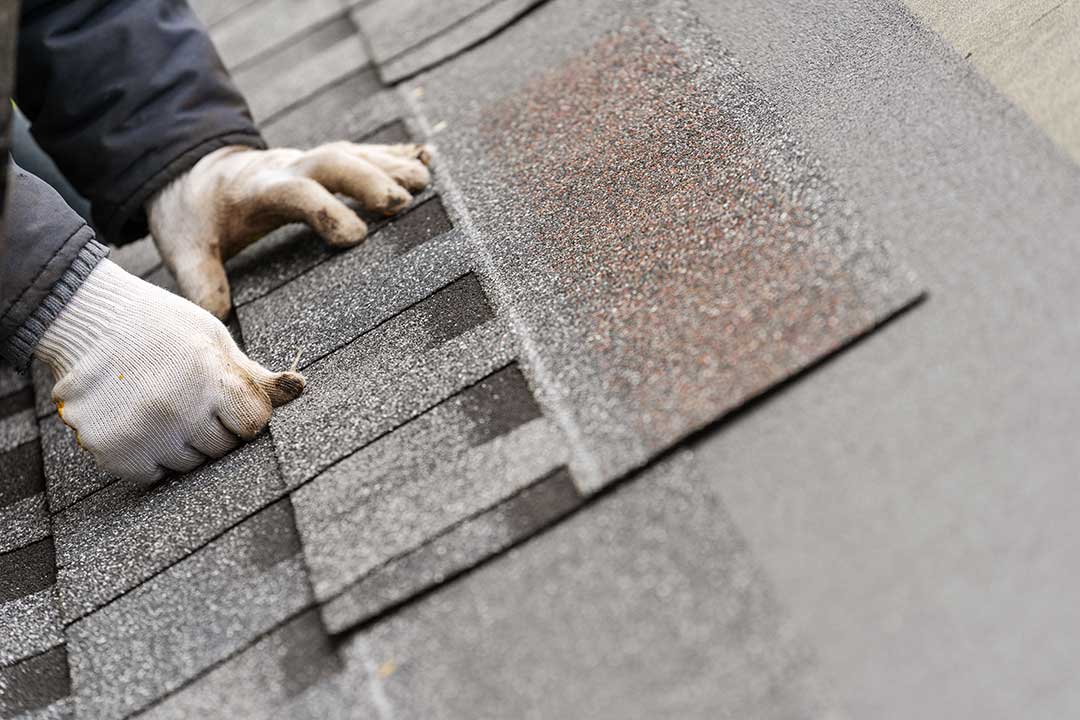
How does attic ventilation relate to sun exposure?
Attic ventilation helps control heat and moisture beneath the roof deck. It does not prevent sunlight from reaching the roof surface, but it can reduce the buildup of heat inside the attic when the system is properly designed.
A typical ventilation system depends on balanced intake and exhaust openings. Intake air enters near the lower roof edge, while warmer air exits through higher openings. Blocking insulation, covered soffit vents, or inadequate exhaust capacity can interfere with airflow.
Poor attic ventilation may contribute to:
- Higher attic temperatures
- Moisture accumulation during cold weather
- Premature aging of roof decking and shingles
- Ice dam conditions when heat escapes unevenly
- Warped wood or deteriorated insulation
More ventilation is not automatically better. Openings must be correctly placed and balanced, and attic air movement should not allow conditioned indoor air to escape into the roof cavity.
Why are some roof areas more affected than others?
Sun exposure is uneven across most homes. Roof sections facing different directions receive different amounts of direct light. A steep south-facing slope may receive strong sunlight for much of the day, while a north-facing slope may remain cooler and shaded.
Roof features can also create localized problems. Chimneys, dormers, skylights, plumbing vents, and valleys interrupt the roof surface and introduce seams or flashing. These areas may experience greater movement and may show damage sooner than broad, uninterrupted sections.
Nearby trees may reduce direct sunlight but create other concerns, including damp shade, leaf buildup, moss, and slower drying after rain. A roof that is shaded most of the day is not automatically protected from deterioration.
Is sun damage worse than winter weather?
Neither sunlight nor winter weather can be considered the sole cause of roof failure. Sunlight weakens surfaces and stresses exposed components, while winter weather adds moisture, freezing, snow loads, ice, and wind.
The effects can work together. UV exposure may make flashing seals or shingle surfaces more brittle. Later, water can enter small openings, freeze, expand, and enlarge the damage. In Greene, seasonal freeze-thaw conditions can make minor defects more significant if water reaches the roof system.
This is why a roof may show problems after winter even though the underlying weakness developed during years of sun exposure.
What roof maintenance helps limit sun-related problems?
Routine observation helps identify changes before they become leaks. Ground-level checks can reveal missing shingles, uneven roof color, sagging gutters, damaged flashing, or excessive granules in downspouts.
After major storms, look for new damage rather than assuming that an older roof is unaffected. Keep gutters and drainage paths clear so water does not remain against deteriorated roofing materials.
Do not walk on a roof that is steep, wet, icy, or visibly damaged. Areas with brittle shingles, loose flashing, exposed decking, or suspected structural problems can create fall and injury hazards. Safety and local building requirements should guide any work involving roof access, ventilation changes, or replacement of roofing materials.
Sun exposure is a normal part of a roof’s service environment, but its effects become easier to manage when surface wear, ventilation concerns, drainage problems, and flashing deterioration are recognized early.
