
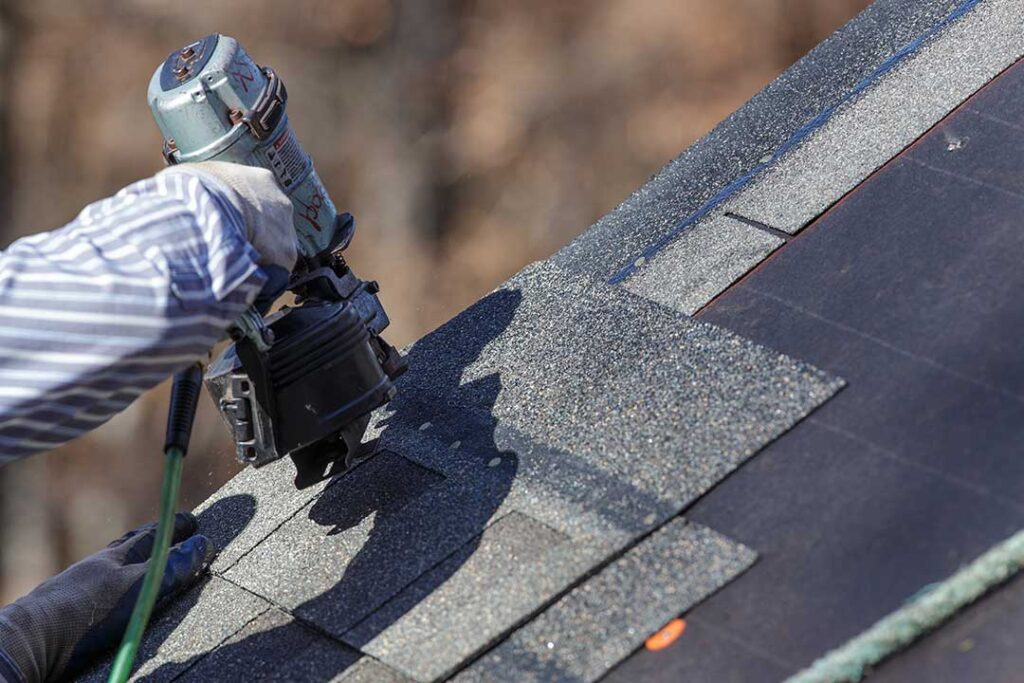
Roof maintenance is easier and safer when the right tools are used for the task. For households in Greene, NY, a basic inspection kit can help identify loose materials, clogged drainage, damaged flashing, and seasonal wear before minor problems become interior leaks.
The tools below are intended for ground-level observation, light maintenance, and carefully limited work on low-slope or single-story areas. Roof surfaces can be steep, wet, icy, fragile, or structurally unsound. A tool list does not make every roof safe to access.
Which tools are most useful for routine roof checks?
A dependable roof-maintenance kit should help with observation, cleaning, measuring, minor fastener checks, and personal safety. The most useful items include:
- Sturdy binoculars
- A bright flashlight or headlamp
- Extension ladder with stabilizing equipment
- Work gloves with a durable grip
- Safety glasses
- Soft-bristle roof rake or gutter scoop
- Hand broom and plastic debris pan
- Tape measure
- Small pry bar
- Hammer
- Screwdriver set or nut drivers
- Utility knife with replaceable blades
- Caulk-removal tool
- Bucket or tool bag
- Camera or phone for documentation
Not every item belongs on the roof itself. Binoculars, a camera, and a tape measure often provide enough information from the ground or a safe ladder position.
Why are binoculars and a camera valuable?
Binoculars allow residents to inspect roof areas without walking across shingles or climbing onto steep sections. Look for missing or displaced shingles, exposed underlayment, lifted metal edges, dark stains, sagging areas, and debris collecting near roof penetrations.
A camera helps record changes over time. Photos taken after heavy wind, snow, or fallen branches can make it easier to compare conditions later. Useful subjects to photograph include:
- Roof edges and eaves
- Chimney or vent flashing
- Valleys where roof sections meet
- Areas beneath overhanging trees
- Gutters and downspouts
- Attic stains or damp insulation
A zoomed photograph is not a structural assessment, but it can reveal patterns that are difficult to remember from one inspection to the next.
What ladder tools and safety equipment are needed?
A ladder should be placed on firm, level ground and extended high enough to provide a secure handhold when stepping onto an approved working surface. Ladder stabilizers can reduce movement and help keep the rails away from gutters, but they do not eliminate fall hazards.
Basic safety equipment includes:
- Slip-resistant footwear
- Gloves that preserve grip and finger movement
- Eye protection when sweeping, scraping, or cutting
- A tool belt or secured bucket
- A hard hat when working below overhead branches or loose materials
- A second person nearby when ladder access is necessary
Never carry loose tools while climbing. Use a tool line or raise equipment after reaching a stable position. Avoid ladder use during rain, frost, high winds, or active snowfall. In the seasonal conditions common to Greene, wet leaves and freeze-thaw cycles can make both ladders and roof surfaces unexpectedly slippery.
Which tools help clean gutters and roof edges?
Gutter cleaning is one of the most common maintenance tasks around a home. A gutter scoop, hand broom, and plastic bucket can remove leaves, pine needles, seed pods, and roof granules without damaging the gutter surface.
A soft-bristle roof rake may help remove light debris from a low-slope section, but aggressive scraping can dislodge protective granules or damage roofing materials. Metal rakes and sharp-edged shovels should not be used on ordinary shingle surfaces.
For downspouts, a garden hose can help test whether water flows freely. If a clog does not clear easily, avoid forcing tools through the blockage, since joints and elbows can separate. Check that water exits far enough from the foundation to avoid repeated saturation near basement walls or crawl spaces.
What hand tools are useful for minor roof repairs?
A hammer, pry bar, utility knife, screwdriver, and tape measure are useful for limited maintenance work such as removing a loose gutter fastener or measuring damaged material. These tools also help document a problem accurately without attempting a repair that exceeds the homeowner’s skill or the roof’s accessibility.

A pry bar should be used carefully around shingles, flashing, trim, and sheathing. Excessive force can break brittle materials, especially after years of temperature changes. Utility knives should have sharp, controlled blades and should always be cut away from the body.
Roofing cement or sealant is sometimes used for temporary protection, but it is not a universal fix. Applying sealant over wet surfaces, active movement, or hidden damage can trap moisture and make later repairs more difficult. Sealants also age differently depending on exposure, temperature, and the materials being joined.
Is a moisture meter useful for roof maintenance?
A moisture meter can help identify damp areas in exposed wood, drywall, or other building materials. It may be useful in an attic when a ceiling stain is visible but the exact leak path is unclear.
Moisture readings should be interpreted carefully. Water can travel along rafters, roof decking, insulation, or wiring before appearing indoors. A dry reading on one surface does not prove that the roof is sound, and a single wet reading does not identify the source by itself.
An attic flashlight is especially helpful for finding:
- Water staining on roof sheathing
- Rusted nails or fasteners
- Damp insulation
- Daylight visible through roof joints
- Mold-like surface growth
- Condensation near vents or roof edges
Roof leaks and attic condensation can look similar from inside the home, so observations should include weather conditions, location, and timing.
What should not be used on a roof?
Several common tools can cause more damage than they prevent. Avoid pressure washers, metal shovels, wire brushes, unsecured extension cords, and improvised ladders. Pressure washing can strip granules, force water beneath roofing materials, and damage flashing or ventilation components.
Snow removal also requires caution. Pulling heavy snow from a roof can damage shingles, gutters, trim, and nearby landscaping. Ice dams may require a carefully planned response because chopping at ice can harm the roof surface and create falling hazards.
Do not drill, nail, pry, or cut near electrical service connections, skylights, plumbing vents, or unfamiliar roof systems without understanding what is beneath the surface.
When is a roof inspection beyond basic maintenance?
Certain conditions require more than household tools. Stop work if the roof is steep, soft, sagging, icy, visibly damaged, or difficult to access. Extra caution is needed after a fallen tree, major wind event, fire, or heavy snow load.
Professional evaluation is also warranted when there is:
- Active water entering the living space
- A visibly sagging roof deck
- Widespread missing shingles
- Damaged structural framing
- Exposed electrical components
- Suspected asbestos-containing materials
- A chimney, skylight, or vent with extensive deterioration
- Damage that cannot be reached without walking on the roof
The most useful maintenance tool is often careful judgment. Observing from a safe location, recording changes, keeping drainage paths clear, and recognizing hazardous conditions can prevent unnecessary damage while helping residents understand when a problem has moved beyond routine upkeep.
