
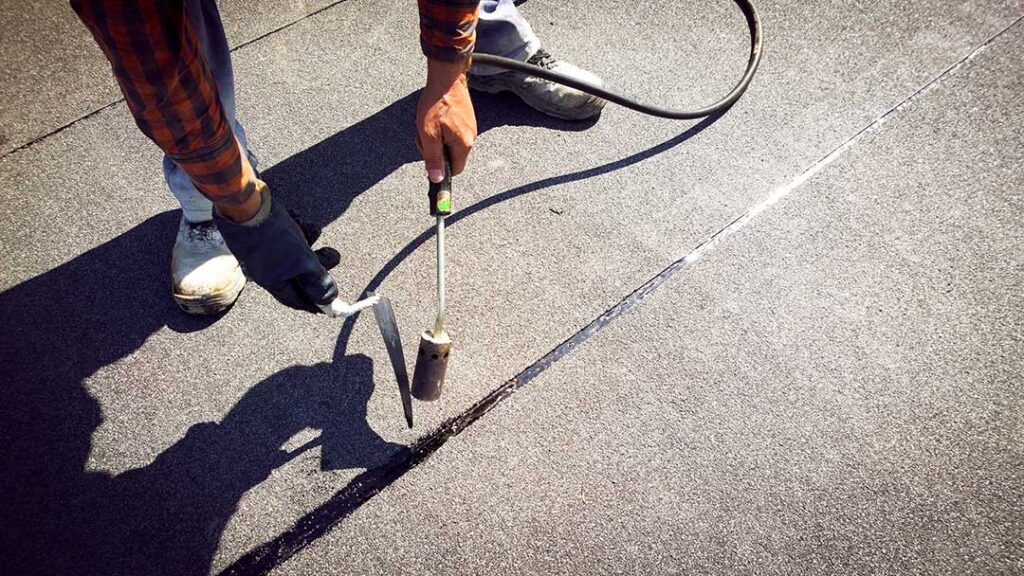
What are the most common roofing scams?
The most common roofing scams involve pressure, vague promises, incomplete work, or payment demands that leave the homeowner with little protection. Residents in Greene may be especially vulnerable after heavy rain, wind, ice, or fallen branches create visible roof damage and make repairs feel urgent.
Common schemes include:
- Unsolicited door-to-door inspections after a storm
- Claims that a roof needs immediate replacement without clear evidence
- Low bids that later increase through unexpected “repairs”
- Requests for large cash deposits or full payment before work begins
- Insurance claim manipulation
- Contractors who disappear after receiving a deposit
- Poor-quality materials or partial repairs presented as a complete roof replacement
- Work performed without required permits
A legitimate roofing evaluation should allow time for questions, comparison, and review. A person who insists that a decision must be made immediately is creating pressure, not providing useful information.
Why are storm-related roofing offers risky?
Storm damage can attract temporary crews from outside the area. Some may perform legitimate work, but others move from community to community looking for homeowners who are worried and willing to pay quickly.
Be cautious if someone arrives without being requested and says:
- A recent storm damaged the roof, even though no damage is visible from the ground
- A crew is already working nearby and has leftover materials
- Repairs must begin that day to prevent a major disaster
- An insurance company will pay for a new roof automatically
- A special discount is available only if a contract is signed immediately
A roof can have hidden damage, but a trustworthy inspection should explain what was observed and how the conclusion was reached. Ask for photographs, specific locations, and a written description of the recommended work. Do not allow a stranger to climb onto the roof simply because the person says an inspection is free.
For safety, homeowners should not climb onto a wet, icy, steep, or damaged roof. Ground-level observations, attic checks from a safe location, and documentation of interior leaks can provide useful information without creating another hazard.
How can a homeowner check whether a roofing contractor is legitimate?
Start by verifying the contractor’s identity independently. Use a business name, physical mailing address, working telephone number, and the name of an individual responsible for the project. Be cautious if the only contact information is a cell phone number, a temporary email address, or a post office box.
Ask for proof of current liability insurance and workers’ compensation coverage when workers will be present. A certificate should come from the insurer or an authorized insurance representative, not only from a text message or an informal statement.
References should also be specific. Ask for recent customers with similar roof types or comparable work, then verify that the references are real and reachable. Photos supplied by a salesperson are not a substitute for independently confirmed work.
New York does not require a statewide home-improvement contractor license for every location. Licensing and registration rules can vary by county and municipality, so a homeowner should ask the local code office what applies to the property and the planned work. The absence of a local license requirement does not remove the need for insurance, a written contract, proper permits, and compliance with building codes.
What should a roofing contract include?
For substantial home-improvement work, a written contract is essential. In New York, home-improvement contracts exceeding $500 generally must be in writing and should clearly identify the parties, work, materials, price, payment schedule, and expected timing.
A roofing contract should explain:
- The exact roof areas included
- Whether the existing roofing will be removed or covered
- The number of layers being removed
- The type, grade, and color of the new roofing material
- Underlayment, flashing, ventilation, drip edge, and ice-barrier details
- Treatment of damaged sheathing or framing
- Removal of debris and protection of landscaping
- Start and anticipated completion dates
- Total price and payment milestones
- The process for approving additional work
- Warranty terms and who is responsible for warranty claims
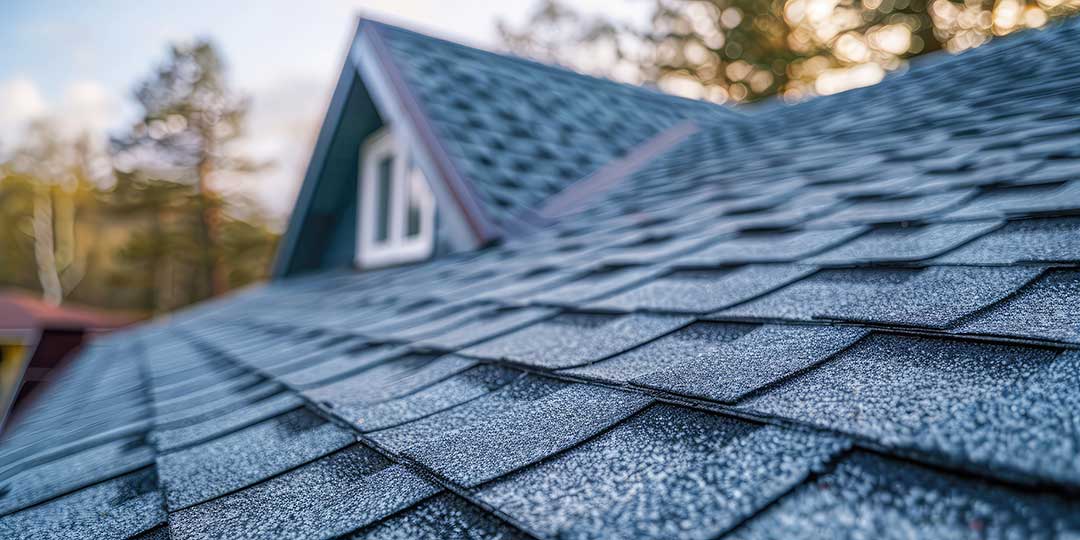
Never sign a contract with blank spaces, unclear allowances, or verbal promises that are not written into the agreement. Any change in price or scope should be documented and approved before the additional work is performed.
A low initial price can be misleading if essential items are excluded. Compare the work descriptions, not only the final dollar amount.
How do roofing scammers misuse insurance claims?
A contractor should not tell a homeowner to exaggerate damage, hide pre-existing problems, or sign over insurance benefits without understanding the legal and financial consequences. A roofing company also should not guarantee that an insurer will approve a claim.
Insurance coverage depends on the policy, cause of damage, age of the roof, maintenance history, and inspection findings. Contact the insurance company directly using a trusted policy document or known account information. Ask what documentation is required and whether emergency measures, temporary protection, or permanent repairs are covered.
Keep photographs, receipts, inspection notes, emails, text messages, and copies of every document. If a contractor offers to “handle everything” but refuses to explain the claim process, treat that as a warning sign.
Are permits required for roofing work in Greene?
Roof replacement and roof recovery work in Greene generally require approval through the local code-enforcement process. The local code office specifically warns that roofing activity performed without the required permit may lead to enforcement action, fines, or stop-work measures.
Homeowners should ask who will obtain the permit and request a copy of the approved permit before work begins. Do not assume that the homeowner must apply personally. A contractor who tells the property owner to obtain a required permit may be avoiding responsibility or trying to keep the work outside official review.
Small repairs may be treated differently from replacement or recovery work. The local code office can explain the requirements for a particular project, especially where the roof has multiple layers, structural damage, altered ventilation, or other building-code concerns.
What payment practices should raise concern?
Avoid paying the full contract price before work begins. A reasonable payment schedule should connect progress payments to clearly defined stages, such as delivery of materials, completion of tear-off, installation of the roof system, and final cleanup or inspection.
Be careful with demands for:
- Cash-only payment
- Payment to an individual rather than the contracting business
- A large deposit before a written contract is signed
- Immediate payment through wire transfer, gift card, or cryptocurrency
- Final payment before the work is complete
- Extra money for damage that was supposedly discovered but not documented
Keep receipts and pay in a traceable manner. Do not sign a completion certificate while unfinished work, leaks, debris, or unresolved damage remains.
What should a homeowner do after suspected fraud?
If a contractor takes money and does not begin work, abandons the project, refuses to correct serious defects, or makes false claims, preserve all records before deleting messages or discarding paperwork. Photograph the roof and interior damage from safe locations.
Notify the insurance company if a claim is involved. For possible fraud or threats, local law enforcement may be appropriate. Consumer complaints involving home-improvement contractors can also be directed to the appropriate New York State consumer-protection or regulatory office. Legal deadlines may apply, so prompt advice from a qualified attorney can matter when substantial money or property damage is involved.
The safest roofing decisions are usually made without urgency: verify the contractor, compare detailed proposals, confirm permits, document the condition of the roof, and make payments only as the written agreement allows.
