
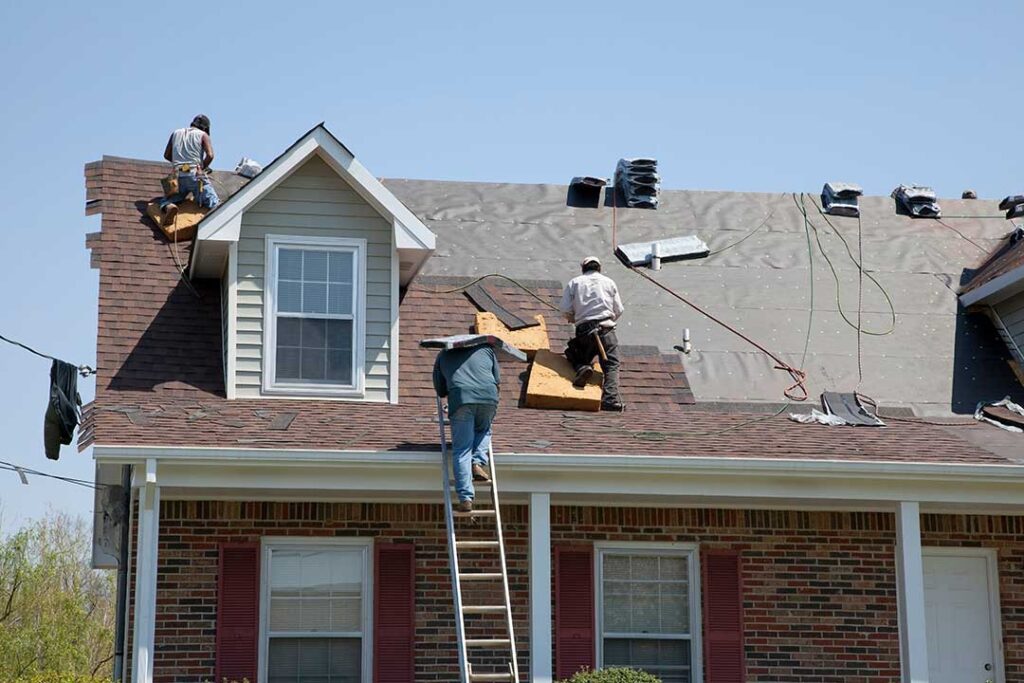
Why animals can damage a roof
Animals can affect roof integrity in several ways, from creating small entry points to causing hidden moisture damage. In Greene, NY, seasonal temperature changes, snow, wind, and older housing materials can make these problems more noticeable over time.
Roof damage is not always caused by a large animal breaking through a surface. More often, the process begins with a loosened shingle, an opening near a vent, a damaged soffit, or a gap along the roof edge. Once an animal finds access, repeated movement, nesting, chewing, and moisture can turn a minor defect into a larger roof problem.
Which animals commonly affect roofs?
Different animals create different types of damage. The most common concerns include:
- Squirrels: Squirrels may chew wood, roofing edges, soffits, fascia, and ventilation materials. They can enlarge small openings and sometimes damage electrical wiring in attic spaces.
- Birds: Birds may enter through damaged vents, ridge caps, or roof edges. Nesting materials can block ventilation openings and create concentrated moisture near the nest.
- Raccoons: Raccoons are strong enough to tear or lift loose roofing materials, vents, chimney flashing, and soffits. Their weight and repeated activity can cause significant localized damage.
- Bats: Bats often use narrow gaps near flashing, gable areas, or roof-wall intersections. Their presence can lead to staining, odor, and contaminated insulation.
- Rodents: Mice and other small rodents can enter through very small openings. They may damage insulation, chew wiring, and create nesting areas in concealed roof or attic spaces.
- Insects: Carpenter ants, termites, and wood-boring insects do not usually damage the roof covering directly. They can weaken roof framing, fascia, trim, or other wooden components beneath the roof surface.
The type of animal matters because the correct response depends on behavior. A gap used by a squirrel may require a different repair and exclusion approach than a bat entry point or a bird nest in a vent.
How do animals get into an attic or roof system?
Animals usually enter through weak points that are easy to overlook from the ground. Common access points include damaged soffits, missing fascia, loose shingles, uncapped chimneys, broken roof vents, and gaps where roof sections meet walls.
Other openings may develop around plumbing vents, skylights, dormers, and areas where older materials have shrunk, cracked, or separated. Ice, snow, wind, and repeated freeze-thaw cycles can gradually loosen components without creating an obvious hole.
A roof may also appear intact while the actual access point is underneath an overhang or behind a gutter. This is one reason interior signs can appear before exterior damage is noticed.
What signs suggest animals are affecting the roof?
The most useful clues are often found in the attic, upper walls, and roof drainage areas. Watch for:
- Scratching, chewing, or movement sounds, especially around dawn, dusk, or at night
- Droppings, nesting material, feathers, fur, or unusual odors
- Daylight visible through roof or wall joints
- Torn screens or damaged vent covers
- Shingles that are lifted, missing, or displaced
- Cracked or pulled-away soffits and fascia
- Stains on attic insulation or roof framing
- Damp insulation, mold-like odors, or water marks
- Gutter debris containing nesting material
- Unexplained increases in drafts or outdoor sounds in an attic
Not every attic noise means an animal is present. Wind can move loose materials, and expanding or contracting roof components may produce occasional sounds. Repeated activity, physical evidence, or new damage makes wildlife involvement more likely.
Can animal activity cause leaks?
Yes. Animals can contribute to leaks by damaging shingles, flashing, underlayment, vents, and roof edges. A small opening may allow wind-driven rain or melting snow to enter, especially during storms.
Nesting materials can also block ventilation pathways or trap moisture against wood. Droppings and urine may stain surfaces and contribute to unpleasant odors, but the larger structural concern is prolonged moisture. Wet insulation can lose effectiveness, while damp wood may decay or become more vulnerable to insects.
A leak does not always appear directly below the damaged area. Water can travel along rafters, roof decking, insulation, or wall cavities before becoming visible inside the home.
How do animals affect roof ventilation?
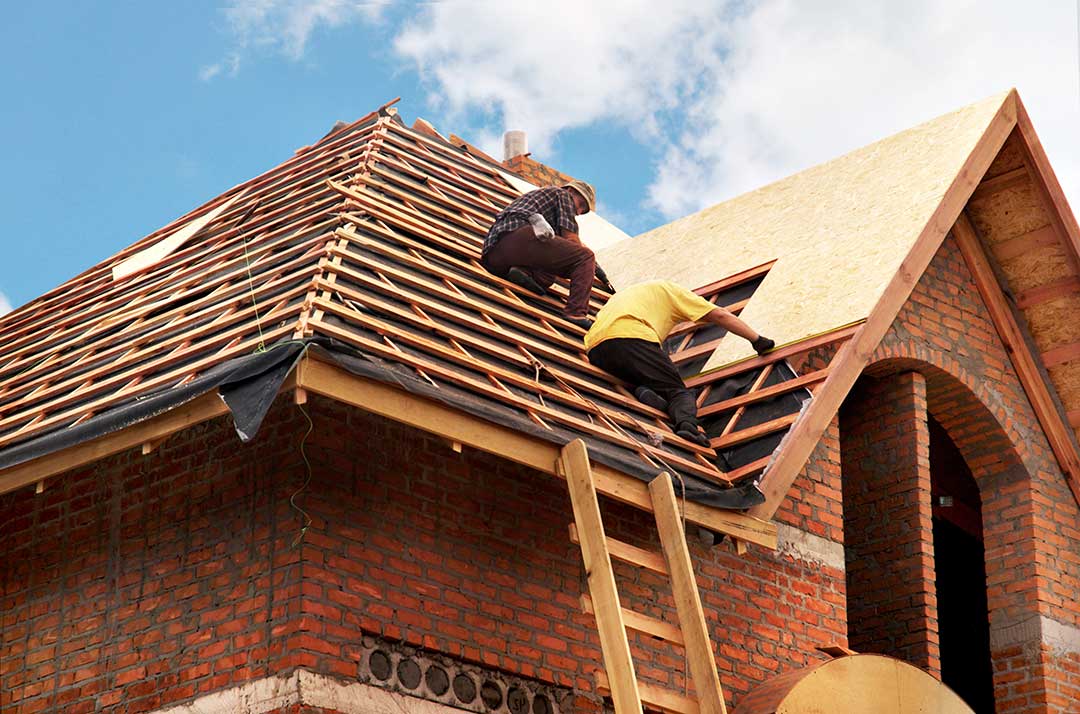
Roof ventilation depends on clear intake and exhaust pathways. Intake openings are commonly located along soffits, while exhaust may occur through ridge, gable, or roof vents.
Bird nests, leaves, insulation, and other debris can restrict these openings. Poor ventilation can increase heat and moisture buildup in the attic. During cold weather, excess attic moisture may contribute to condensation and, in some cases, ice buildup along roof edges.
Blocked ventilation is not always caused by animals. Insulation installed too close to soffit openings, deteriorated vent screens, and remodeling changes can create similar conditions. A complete inspection should consider all possible causes.
Why are older homes more vulnerable?
Older homes may have roof transitions, trim details, vents, and attic features that provide more potential entry points. Repairs completed over many years can also leave mismatched materials or small gaps between sections.
Older woodwork may be softer from age or moisture exposure, making it easier for squirrels or raccoons to enlarge an opening. Aging roof coverings may also be less resistant to repeated disturbance. However, newer roofs are not immune. Animals can still use gaps around modern vents, chimneys, dormers, and roof-wall intersections.
What should residents do after finding an animal entry point?
Avoid sealing an opening immediately if an animal may still be inside. Sealing an active entry can trap animals, separate young from a parent, or force wildlife into another part of the house.
First, note the location and look for signs of current activity. Avoid direct contact with animals, droppings, nesting material, or contaminated insulation. Gloves and a dust mask may reduce exposure during limited observation, but heavily contaminated areas should not be disturbed casually.
Some wildlife is protected by state or federal rules, and removal timing can depend on the species and whether young are present. Safe exclusion must also prevent reentry without creating a new hazard for the animal or household.
If a roof opening is associated with electrical wiring, structural instability, extensive contamination, or an animal that appears aggressive or trapped, professional assistance may be necessary for safety and legal compliance.
How can animal-related roof damage be reduced?
Routine observation helps identify small defects before they become active entry points. After major wind, snow, or ice events, residents can look from the ground for lifted shingles, displaced vent covers, damaged soffits, and unusual gutter debris.
Helpful maintenance measures include:
- Keeping tree branches from providing easy access to the roof
- Replacing damaged vent screens and roof-edge materials
- Checking that chimney caps and flashing remain secure
- Keeping attic ventilation openings clear
- Repairing loose fascia, soffits, and trim
- Watching for moisture stains after heavy rain or snowmelt
- Avoiding direct handling of wildlife or animal waste
Roof integrity depends on more than the shingles visible from the street. The roof covering, flashing, ventilation system, decking, framing, insulation, and attic environment all work together. Early attention to animal activity can help prevent a small opening from becoming a leak, insulation problem, or structural repair.
