
Why animal activity matters to roof integrity in Greene, NY
Animals can damage a roof in ways that are easy to miss at first. A small opening, a few displaced shingles, or a blocked vent may eventually allow water, cold air, insects, or additional animals into the roofing system.
In Greene, seasonal weather can make these problems worse. Freeze-thaw cycles, wind, snow, ice, and spring moisture place regular stress on roofing materials. If an animal has already loosened a component or created an entry point, those conditions may speed up deterioration.
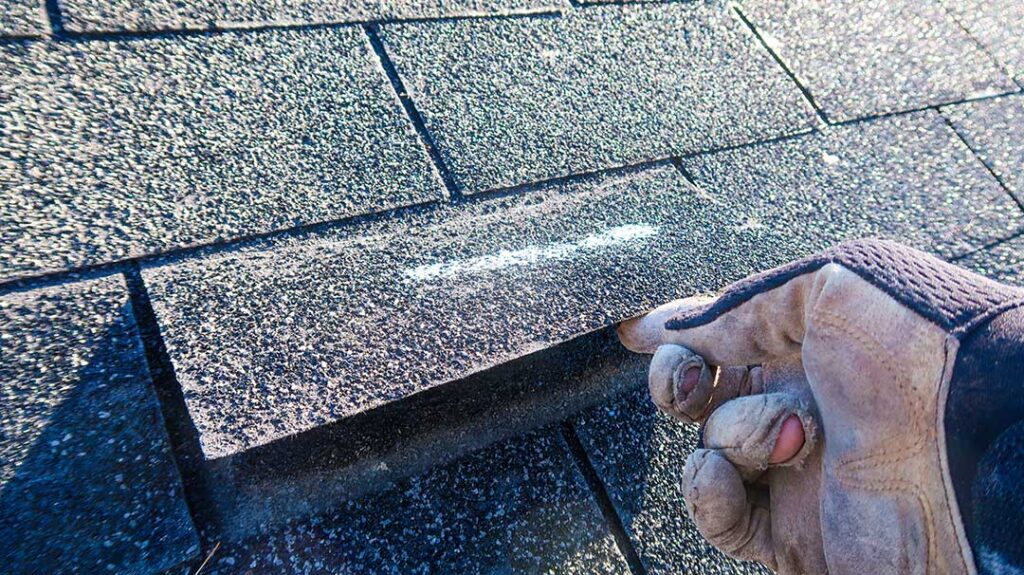
Roof damage caused by animals is not limited to visible chewing. Nesting materials can trap moisture, droppings can corrode or stain surfaces, and repeated movement can loosen shingles, flashing, ridge caps, or vent covers.
Which animals commonly affect roofs?
The animals most likely to affect residential roofs are birds, squirrels, raccoons, bats, mice, and insects such as carpenter ants and wasps. Each creates different types of risk.
Squirrels may chew through wood trim, fascia, soffits, and some vent materials. They often enter near roof edges, gable vents, or places where branches touch the structure. Once inside, they may enlarge a small opening and use insulation or stored materials for nesting.
Raccoons are stronger and heavier. They may tear at loose roof-edge materials, damage vents, or pull apart weakened sections while searching for access. Their activity can create openings large enough for rain and snow to enter.
Birds commonly nest beneath loose shingles, inside vents, or behind damaged flashing. Nesting material can obstruct ventilation and hold moisture against wood. Larger birds may also damage soft roofing components through repeated landing and movement.
Bats and mice often use very small gaps. Their presence may not be obvious from the exterior, but droppings, odors, staining, and scratching sounds can indicate activity near the attic or roofline.
Carpenter ants and other insects do not usually begin with sound roofing materials. They are more likely to colonize wood that is already damp or decayed. Their presence can therefore signal an underlying moisture problem rather than being the original cause.
How do animals get into a roof?
Animals usually enter through weak points rather than through the middle of an intact roof. Common access points include:
- Missing, cracked, or lifted shingles
- Gaps around plumbing vents, chimneys, and roof equipment
- Damaged soffits, fascia, and gable vents
- Loose ridge vents or vent screens
- Openings where roof sections meet walls
- Deteriorated flashing
- Unprotected roof edges
- Branches resting against the roof
A gap does not need to be large to become a problem. Squirrels, mice, and bats can use narrow openings, while larger animals may widen an existing defect.
Roof penetrations deserve particular attention because they combine several materials and joints in one area. Sealants can shrink, flashing can loosen, and surrounding roofing materials can deteriorate at different rates. These locations should be checked after strong winds, heavy snow, or visible animal activity.
What types of damage can animals cause?
The most serious concern is often secondary water damage. An animal may disturb a roof covering without creating an immediate leak. Later, rain or melting snow can enter beneath the displaced material and spread into sheathing, insulation, ceilings, and wall cavities.
Other common forms of damage include:
- Torn or displaced shingles
- Chewed wood at eaves and roof edges
- Damaged vent screens and covers
- Blocked attic ventilation
- Wet or compressed insulation
- Staining from droppings or nesting debris
- Scratched or cracked flashing
- Holes in soffits and fascia
- Damaged electrical wiring in attic spaces
- Mold growth where moisture remains trapped
Nesting can also interfere with ventilation. Roof ventilation depends on a clear path for air to enter through intake areas and leave through exhaust vents. If nests or insulation block that path, heat and moisture may accumulate in the attic.
Can animal damage cause a roof to leak?
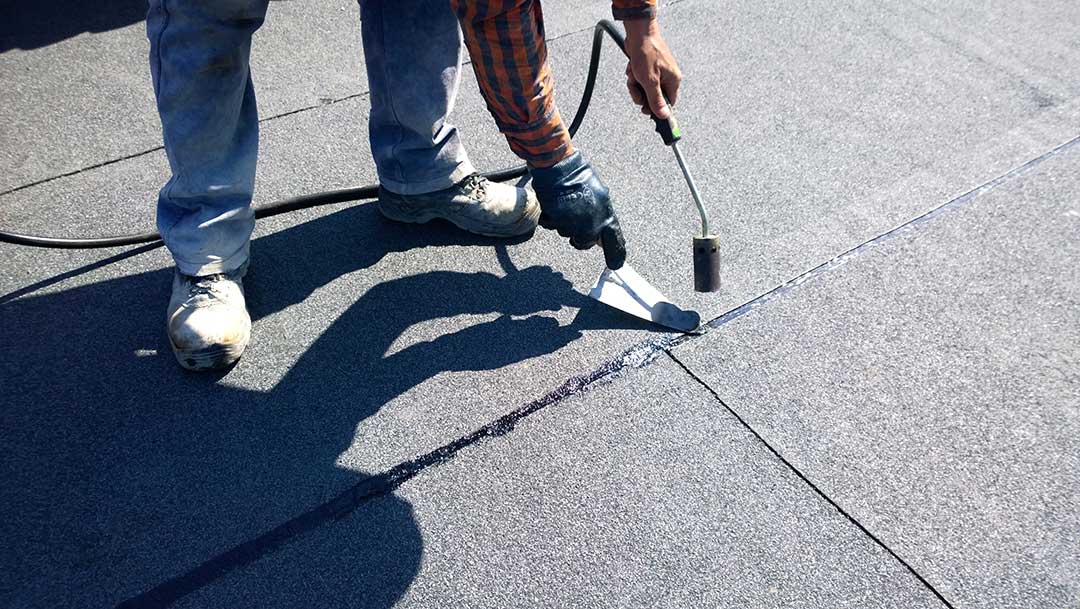
Yes. Animal damage can cause a roof leak immediately or create conditions that lead to one later. A loose shingle, punctured membrane, damaged flashing joint, or blocked drainage path may allow water to enter during rain or snowmelt.
Leaks are not always directly below the damaged area. Water can travel along roof decking, rafters, insulation, or interior framing before appearing as a ceiling stain. For that reason, the first visible mark indoors may be some distance from the actual entry point.
After noticing animal activity, look for damp insulation, darkened wood, peeling paint, water stains, unusual odors, or daylight visible in the attic. These signs should be treated as evidence that the roof system or surrounding structure may already be affected.
What should residents do if an animal is inside?
Do not seal an opening while an animal may still be inside. Closing the entry point can trap adults, young animals, or bats in the attic and may cause additional damage as they try to escape.
The safer sequence is to identify whether the opening is active, determine what animal is using it, and address the occupants before permanently closing the access point. This may require extra caution during nesting and birthing seasons.
Do not handle bats, raccoons, or unfamiliar wildlife directly. Bites and scratches can create health concerns, and droppings may carry harmful organisms. Children and pets should be kept away from attic areas containing animal waste or nesting material.
If electrical wiring has been chewed, if a large animal has entered the structure, or if the roof is unstable, the situation is hazardous and should be handled with appropriate safety measures rather than by climbing onto the roof or entering a contaminated space.
How can animal-related roof damage be prevented?
Prevention begins with routine observation from the ground and from accessible attic areas. After windstorms, heavy snow, or periods of animal activity, check for new gaps, loose materials, damaged screens, and unusual sounds.
Helpful measures include:
- Keeping tree limbs trimmed away from roof surfaces
- Replacing damaged or missing vent screens
- Maintaining sound soffits, fascia, and roof-edge materials
- Checking flashing around chimneys and roof penetrations
- Removing nesting material only after confirming the area is inactive
- Keeping attic ventilation pathways clear
- Watching for droppings, scratching, gnawing, or disturbed insulation
- Addressing moisture damage before insects colonize the wood
Metal screening can help protect some vents, but it must be installed without blocking required airflow. Expanding foam alone is rarely a durable solution because animals can chew through it and moisture problems may remain hidden behind it.
Does animal damage require roof replacement?
Usually, no. The appropriate repair depends on the extent of the damage. A small opening, damaged vent cover, or limited section of shingles may be repairable. Replacement becomes more likely when water has affected large areas of sheathing, framing, insulation, or multiple roof layers.
The visible hole is not always the full problem. A proper evaluation considers the roof covering, underlayment, flashing, ventilation, attic wood, insulation, and any interior water damage. In older homes, animal damage may also reveal pre-existing deterioration that was not visible from the ground.
Prompt attention generally reduces the chance that a minor access point will become a larger structural or moisture problem, especially through Greene’s wet, cold, and changeable seasons.
