
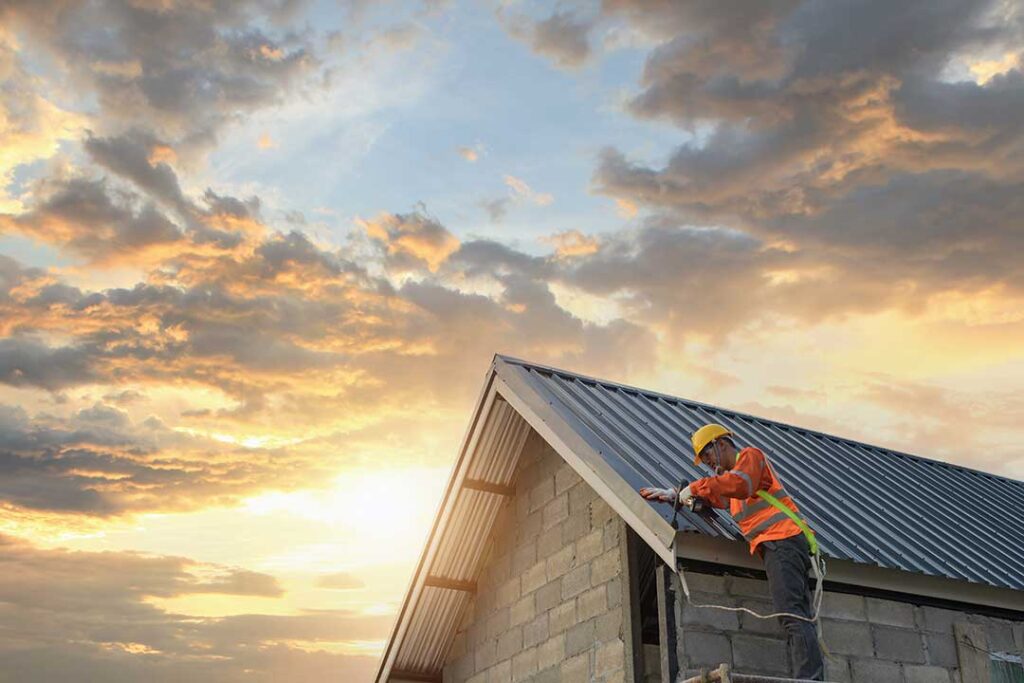
Removing leaves, branches, moss, and other debris from a roof can help protect shingles, gutters, flashing, and drainage paths. The safest method depends on the roof’s slope, surface condition, height, and the type of debris present.
What debris commonly collects on roofs?
Roof debris usually comes from nearby trees, storms, seasonal weather, and normal deterioration of roofing materials. Common examples include:
- Leaves, pine needles, and small twigs
- Windblown branches
- Seed pods, acorns, and bark
- Accumulated moss or loose organic matter
- Damaged shingle pieces
- Ice-dam remnants or packed snow
- Animal nesting material
In Greene, NY, roofs may collect more organic debris during autumn and after periods of wind or heavy rain. Homes near mature trees tend to need closer observation because debris can remain in roof valleys, behind chimneys, around plumbing vents, and along gutter edges.
Why should roof debris be removed?
Debris can trap moisture against roofing materials. Leaves and needles may block water from flowing toward gutters, while branches can scratch shingles or damage flashing.
Debris is especially troublesome in roof valleys, where two sloped sections meet. Water naturally concentrates in these channels, so a buildup can redirect runoff beneath shingles or cause water to spill over the roof edge.
Blocked gutters can also contribute to:
- Water spilling against siding or foundation areas
- Rot around roof edges and fascia boards
- Ice formation during freezing weather
- Wet basement or crawl-space conditions
- Insect activity in damp organic material
A small amount of loose debris is not always an emergency, but heavy accumulation, sharp branches, or debris covering damaged roofing should be addressed promptly.
Can homeowners safely remove debris themselves?
Some ground-level cleanup is reasonable, but walking on a roof creates fall and damage risks. A homeowner may be able to remove light debris from a low-slope roof or from the roof edge using an extension tool while standing securely on the ground.
Roof access becomes more hazardous when the surface is steep, wet, icy, moss-covered, brittle, or more than one story above ground. Windy conditions also make ladders, tools, and loose branches harder to control.
Avoid roof work if:
- Shingles are wet, frosted, or visibly brittle
- The roof has a steep pitch
- There are overhead power lines
- The ladder cannot rest on stable, level ground
- Large branches are tangled with wires or structural features
- The person doing the work is uncomfortable with heights
- The debris may contain animal waste, insects, or a nest
A fall hazard is more serious than the roof problem itself. If debris cannot be reached without climbing onto an unsafe surface, it should not be treated as a routine household task.
What tools are appropriate?
The right tool should remove loose material without scraping or puncturing the roof. Useful options may include:
- A soft-bristled roof rake for suitable low-slope surfaces
- A telescoping leaf rake with a non-abrasive head
- A garden hose for light dust or loose organic material
- Work gloves and eye protection
- A stable extension ladder when gutter access is necessary
- A bucket or tarp for collecting debris from accessible areas
Do not use a metal rake, shovel, pressure washer, or sharp scraping tool on asphalt shingles. These can remove protective granules, lift shingle edges, or damage seals between roofing components.
A leaf blower may remove dry leaves from some accessible areas, but blowing debris across the roof can push material under shingles or into gutters. It can also send twigs and grit toward windows, vehicles, or people below.
How should loose leaves and branches be removed?
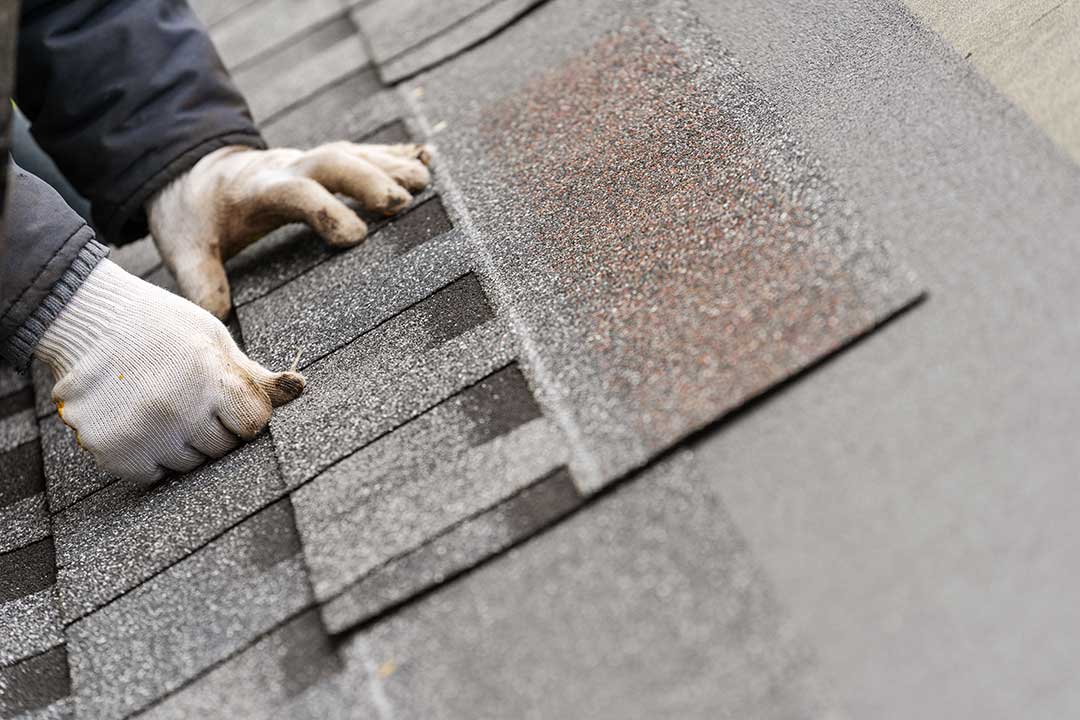
Start by inspecting the area from the ground. Look for branches resting on the roof, sagging gutters, missing shingles, exposed underlayment, and debris piled in valleys.
For light, loose material:
1. Wait for dry, calm weather.
2. Keep people and pets away from the area below.
3. Remove larger branches only if they are loose and can be handled without force.
4. Pull debris downhill rather than pushing it under shingle edges.
5. Work gently around vents, flashing, skylights, and chimney areas.
6. Collect material so it does not wash into gutters or drainage systems.
Never yank a branch that is caught beneath shingles or wrapped around a vent. Pulling can tear roofing materials that otherwise appear intact.
If a branch has punctured the roof, created a depression, or remains attached to a tree, leave it in place until the hazard can be managed safely. Temporary covering may be appropriate for an active leak, but it should not involve climbing onto an unstable roof during bad weather.
How can gutters and roof valleys be cleared?
Gutters and valleys deserve special attention because they carry a large amount of runoff. Debris should be removed by hand or with a tool that will not puncture the gutter or scrape nearby shingles.
For gutters, work from a stable ladder position and avoid leaning sideways. Never stand on the top step of a ladder. A ladder stabilizer or a second person steadying the base can reduce movement, but neither eliminates the risk of falling.
For roof valleys, use a soft tool from a safe location when possible. Do not dig compacted material out with a shovel or screwdriver. Hardened debris may be hiding damaged shingles, and forceful removal can worsen the problem.
After clearing the area, inspect downspouts for blockage. A gutter may look clean while water remains trapped because the downspout opening is obstructed.
What about moss, algae, and lichen?
Moss and lichen should not be scraped aggressively from shingles. Their attachment can loosen granules and damage the surface. Moss also tends to grow where shade and moisture remain for long periods, so simply removing the visible growth may not address the underlying condition.
Avoid chlorine mixtures, strong solvents, and pressure washing unless the roofing material manufacturer specifically allows a particular cleaning method. Runoff from cleaning products can also affect plants, soil, painted surfaces, and metal components.
If moss has lifted shingle edges or spread across a large area, the roof may require a closer condition assessment rather than ordinary debris removal.
How often should a roof be checked?
A practical schedule is to inspect the roof from the ground in spring, after major windstorms, and again after most leaves have fallen. Homes beneath mature trees may need additional checks during the fall.
Look for:
- New piles of branches or leaves
- Shingle granules collecting below downspouts
- Dark stains or damp areas on roof surfaces
- Sagging gutters or separated seams
- Water stains in attic spaces or upper ceilings
- Missing, cracked, or lifted shingles
Do not assume a roof is undamaged just because there is no visible leak. Water can travel along roof framing before appearing indoors.
When is roof debris a safety issue?
Debris removal should stop when the task involves unstable ladders, live electrical lines, heavy branches, ice, steep slopes, or signs of structural damage. It is also unsafe to work during lightning, strong wind, rain, or freezing conditions.
A roof with a puncture, sagging section, exposed decking, or widespread loose shingles needs more than surface cleaning. Those conditions can allow water into the building and may worsen under snow, ice, or another storm.
For households in Greene, seasonal cleanup is most effective when it is paired with ground-level observation of gutters, downspouts, roof edges, and nearby trees. Removing loose material carefully can reduce drainage problems, but no debris is worth risking a fall or further damage to the roof.
