
A roof leak can begin as a small stain and quickly turn into damaged insulation, wet framing, peeling paint, or mold growth. The safest response is to control the water, protect people and belongings, document what is happening, and avoid making the damage worse.
What should you do first when you notice a leak?
Move furniture, electronics, rugs, and other belongings away from the affected area. Place a container under active dripping, and use towels to catch splashing water. If the ceiling is bulging, do not stand directly beneath it. A water-filled ceiling can become heavy and may fail without much warning.
If water is near a light fixture, ceiling fan, outlet, or wiring, turn off power to that area only if the electrical panel can be reached safely without stepping through water. Do not touch wet electrical components. If there is standing water near electrical equipment, leave the area and treat it as an electrical hazard.
A small leak can spread beyond the visible stain. Water may travel along rafters, insulation, drywall, or plumbing before appearing inside the house.
How can you tell whether the leak is coming from the roof?
The location of an interior stain does not always match the location of the roof opening. A leak above a hallway, bedroom, or finished ceiling may begin several feet away and follow the framing.
Common signs of a roof-related leak include:
- Brown or yellow ceiling stains
- Damp attic insulation
- Water marks on rafters or roof sheathing
- Dripping after rain or melting snow
- Peeling paint or bubbling drywall
- Musty odors near the attic or upper ceiling
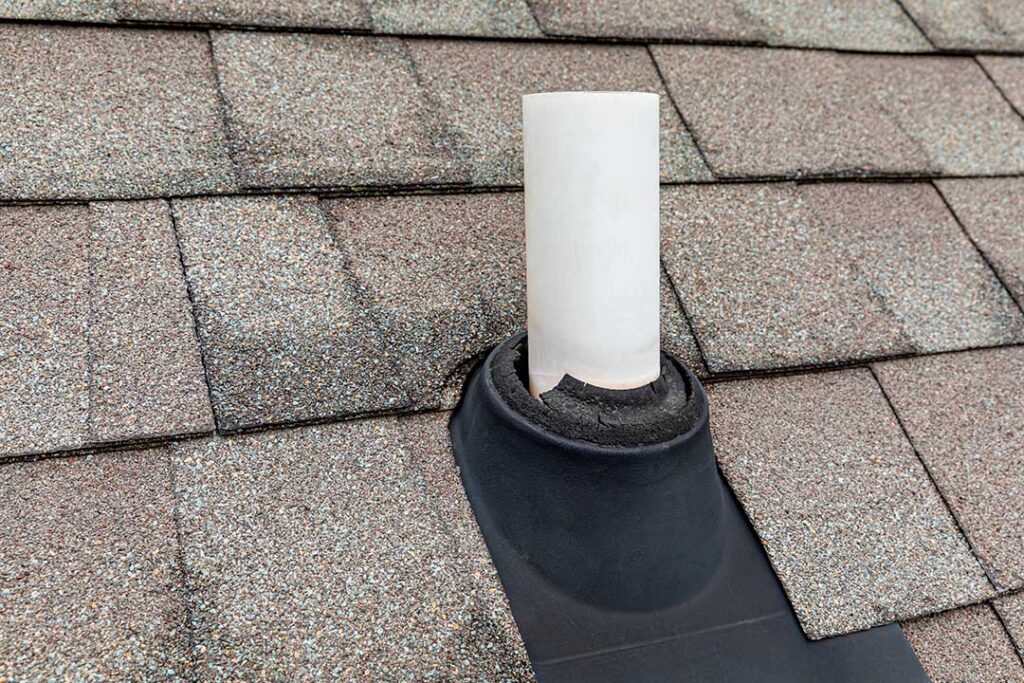
- Wet areas around chimneys, roof vents, skylights, or roof edges
Water may also enter around flashing, which is the material used to seal roof joints and penetrations. Damaged shingles are only one possible cause. Ice buildup, wind-driven rain, blocked drainage, deteriorated sealant, and condensation can also create moisture problems.
Should you inspect the roof from the outside?
A ground-level visual check is usually safer than climbing onto the roof. Look for missing, cracked, curled, or displaced shingles; loose metal flashing; damaged vent covers; and branches or other debris resting on the roof.
Do not climb onto a wet, icy, steep, or snow-covered roof. Roof surfaces can remain slippery even when they appear only slightly damp. Ladders are also hazardous on uneven ground, in freezing conditions, or near overhead electrical lines.
In Greene, winter weather, freeze-thaw cycles, and wind-driven precipitation can make roof surfaces and ladders especially unpredictable. A roof that was safe to walk on during dry summer weather may become dangerous after rain, frost, or snow.
What should you do if the leak happens during a storm?
Focus on interior protection rather than attempting an exterior repair during active weather. Keep containers under the drip, move belongings, and monitor the ceiling for sagging or spreading damage.
Temporary exterior measures should only be used from a safe position and only when conditions allow. Do not attempt to place a tarp, remove ice, or climb onto the roof during lightning, high winds, heavy rain, or icy conditions. Improperly secured materials can also damage shingles or become airborne.
If the leak is severe, water is entering rapidly, a ceiling is sagging, or electrical hazards are present, leave the affected area. Serious structural or electrical conditions may require emergency assistance rather than a do-it-yourself repair.
Can you patch the leak from inside the attic?
An attic inspection may help identify the general path of the water, but it does not always reveal the roof entry point. Look for wet insulation, darkened wood, water trails, or fresh moisture around penetrations. Use a flashlight and step only on stable framing or installed attic flooring. Do not step on the drywall between ceiling joists, because it may not support body weight.
Avoid cutting into the ceiling simply to release water. Opening drywall can expose wiring, plumbing, insulation fibers, or hidden structural damage. A bulging ceiling should be treated as a warning sign rather than a place to experiment.
Interior sealants or patches may hide symptoms without stopping the water source. They can also make later repairs more difficult by covering the affected area.
Should wet insulation and drywall be removed?
Wet materials should be dried promptly, but removal depends on the extent of the damage and the material involved. Fiberglass insulation may lose effectiveness when soaked, while some types of insulation can hold moisture against wood for an extended period. Wet drywall can soften, sag, and support mold growth if it remains damp.
Ventilate the area when outdoor conditions are dry and safe. Fans can help, but do not place electrical equipment in standing water or near exposed wiring. Avoid using high heat directly on wet drywall, wood, or insulation, since rapid heating can damage materials or create a fire risk.
If moisture has been present for more than a short time, or if there is a musty smell, visible mold, contaminated water, or extensive saturation, specialized cleanup may be necessary. Water from a roof leak is not automatically clean once it has passed through insulation, roofing materials, animal droppings, or deteriorated wood.

What information should you document?
Take photographs of the ceiling stain, active dripping, attic moisture, damaged belongings, and any visible exterior damage. Note the date, weather conditions, and whether the leak appeared during rain, snow, ice melt, or strong wind.
Documentation can help distinguish a one-time event from a recurring problem. It also creates a useful record if the damage needs to be evaluated for maintenance, structural concerns, or insurance purposes. Keep damaged materials until their condition has been documented, unless leaving them in place creates a health or safety hazard.
Do not assume that a dry ceiling means the problem is solved. Some roof leaks occur only during particular wind directions, heavy rainfall, rapid snowmelt, or repeated freeze-thaw conditions.
When is a roof leak an urgent safety problem?
Immediate attention is warranted when:
- The ceiling is sagging or cracking
- Water is near electrical fixtures or wiring
- The leak is spreading rapidly
- Insulation, drywall, or structural wood is saturated
- There is a strong burning smell, smoke, or electrical buzzing
- Storm damage has left a large opening
- A tree limb or other heavy object has struck the roof
- Someone would need to climb in dangerous weather to inspect it
Children and pets should be kept away from wet ceilings, fallen debris, exposed nails, and areas with possible electrical damage.
A leak should not be judged only by the size of the ceiling stain. A small visible mark can reflect hidden moisture above it, while a large old stain may no longer be actively leaking. The safest approach is to control the interior damage, avoid hazardous roof access, record the conditions, and have the source evaluated when it cannot be safely identified or contained.
How can future leaks be reduced?
Routine observations can catch problems before water enters the living space. After major storms or winter weather, look from the ground for displaced materials, debris, damaged flashing, and clogged drainage paths. Inside the attic, occasional checks for damp insulation, staining, or musty odors can reveal trouble earlier than a ceiling stain.
Keep gutters and roof drainage paths clear where they can be reached safely. Trim branches that rub against the roof or overhang it heavily. Pay particular attention to roof areas around chimneys, vents, skylights, valleys, and edges, where water and ice often create repeated stress.
A roof leak is not always a roofing-material failure. Condensation, plumbing leaks, ice buildup, and ventilation problems can produce similar signs. Identifying the actual source matters because sealing the visible stain alone will not prevent the next occurrence.
