

Roof underlayment is the protective layer installed between a roof deck and the outer roofing material. Although it is hidden after installation, it helps manage water, wind-driven rain, ice, and moisture that may get beneath shingles or other roof coverings.
For homes in Greene, NY, underlayment deserves attention because roofs must handle snow, freeze-thaw cycles, heavy rain, and occasional wind. Understanding its purpose can make roof maintenance, repair discussions, and replacement decisions easier.
What does roof underlayment do?
Roof underlayment creates a secondary layer of protection below the visible roof covering. Shingles, metal panels, and other exterior materials shed most water, but no roofing system is completely immune to moisture intrusion.
Underlayment can help:
- Protect the roof deck from water that gets beneath the outer covering
- Reduce the effect of wind-driven rain
- Provide temporary protection during a roofing installation
- Separate some roofing materials from the wood deck
- Limit moisture exposure around vulnerable roof areas
- Support proper installation around valleys, eaves, and penetrations
The roof deck is typically made from wood panels or boards. If water reaches that surface repeatedly, it can contribute to swelling, staining, decay, or loss of structural strength. Underlayment helps reduce that risk, but it does not replace sound flashing, properly installed roofing, or good ventilation.
What are the main types of underlayment?
The three broad categories are asphalt-saturated felt, synthetic underlayment, and self-adhering membrane.
Asphalt-saturated felt
Often called roofing felt, this traditional material has been used for many decades. It is made from a felt base treated with asphalt and is available in different weights.
Felt is generally less expensive than newer materials, but it can tear more easily during installation and may wrinkle if exposed to weather for too long. It also tends to absorb some moisture, which can affect its performance if the roof remains uncovered.
Synthetic underlayment
Synthetic underlayment is manufactured from plastic-based materials. It is usually lighter than felt, covers more area per roll, and is more resistant to tearing and moisture absorption.
Many synthetic products are designed to remain exposed for a limited period while roof work is completed. That exposure period varies by product, so installation instructions matter. Synthetic material is not automatically superior in every situation; secure fastening and correct placement are still essential.
Self-adhering membrane
Self-adhering underlayment has an adhesive backing and is commonly used in areas that require extra resistance to water entry. It may be installed along eaves, valleys, roof edges, around chimneys, and near other transitions.
This material is often called an ice barrier or ice-and-water membrane when used in vulnerable areas. It can help protect against water backing up under the roof covering during ice formation, but its exact use depends on roof design, local requirements, and the roofing system.
Is underlayment the same as an ice barrier?
No. Underlayment is a broad category, while an ice barrier is a particular type of water-resistant membrane used in areas at higher risk of leakage.
A typical roof may use more than one protective layer. For example, a self-adhering membrane may protect the lower roof edges and valleys, while synthetic underlayment covers the larger field of the roof.
This distinction matters in Greene, NY, where snow and ice can remain on roof surfaces during winter weather. Ice-related leakage is not caused simply by the presence of snow. It can develop when heat escapes into the attic, melts snow higher on the roof, and the water refreezes near colder eaves. Proper insulation and ventilation are part of controlling that condition.
Where is underlayment most important?
Underlayment is especially important in places where different roof surfaces, materials, or drainage paths meet.
These areas commonly include:
- Eaves and lower roof edges
- Valleys where two roof sections meet
- Around chimneys, skylights, and roof windows
- Beneath flashing
- Around plumbing vents and other roof penetrations
- At transitions between roof slopes
- Along roof edges exposed to wind and blowing precipitation
A roof may have good underlayment in the main field but still leak because a valley, flashing detail, or penetration was installed incorrectly. Water often travels beneath the visible entry point, so the location of an interior stain does not always identify the actual roof defect.
How long does roof underlayment last?
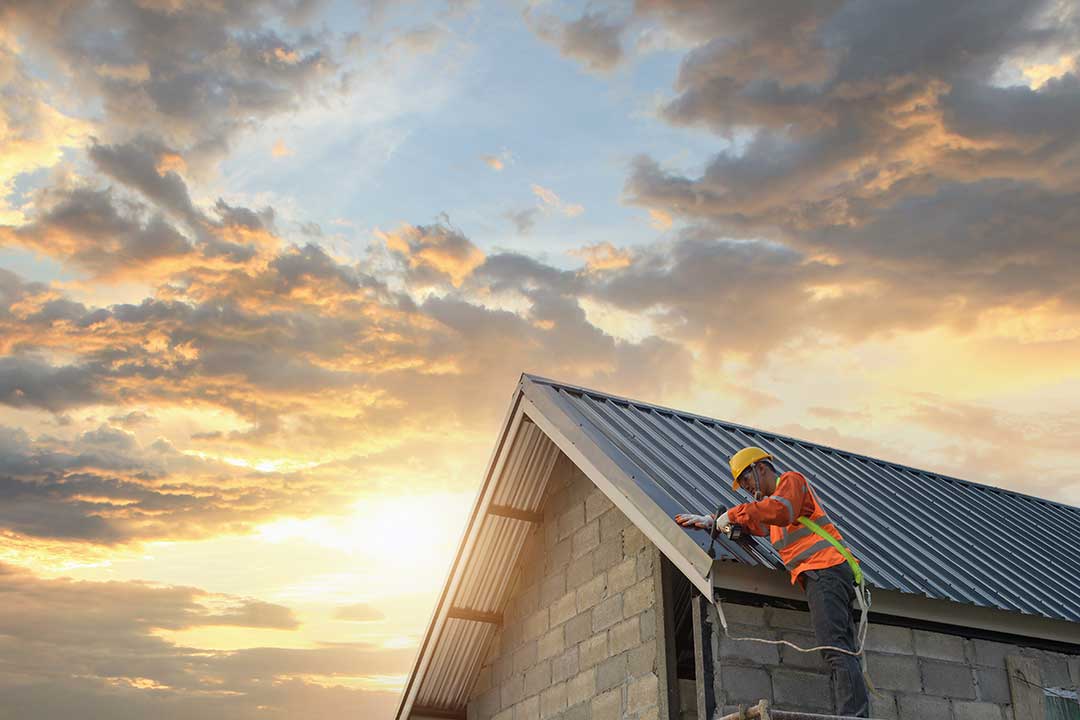
Underlayment usually lasts as long as the roof covering remains functional, but it is not intended to serve as a permanent exposed roof surface. Its service life depends on material type, installation quality, sunlight exposure, temperature changes, foot traffic, and how long it remains uncovered.
A properly installed layer can provide dependable protection for many years beneath shingles or panels. However, underlayment may become brittle, torn, displaced, or less effective if the outer roof covering has failed or if the material was exposed during a long construction delay.
During a roof replacement, old underlayment is commonly removed or evaluated rather than assumed to be reusable. Reusing it may leave hidden damage in place and can make it harder to create continuous protection around roof edges and penetrations.
Can a roof leak even if the underlayment is intact?
Yes. Underlayment is only one part of a roofing system. Leaks can also result from damaged shingles, failed flashing, exposed fasteners, blocked drainage paths, poorly sealed penetrations, or roof deck deterioration.
Underlayment itself can also fail if it has been punctured, improperly overlapped, loosely fastened, or damaged by wind. In cold climates, repeated expansion and contraction can place stress on seams and attachment points.
A small attic stain should not automatically be blamed on missing underlayment. The source may be several feet away, and water may travel along rafters, roof decking, insulation, or framing before becoming visible indoors.
What should homeowners look for during roof work?
A homeowner does not need to climb onto the roof to ask useful questions. Photos taken during the work can show whether important details are being addressed.
Useful points to verify include:
- What type of underlayment is being installed
- Whether damaged roof decking is being replaced
- How valleys and eaves are protected
- How underlayment overlaps and meets flashing
- Whether roof penetrations receive appropriate water protection
- How long the material may safely remain exposed
- Whether fasteners are compatible with the roofing material
- How attic ventilation and insulation affect winter moisture
The visible roofing material often receives the most attention, but the hidden layers determine how well the system manages water over time. Proper ventilation also helps reduce condensation and temperature differences that contribute to winter roof problems.
Does every roof need the same underlayment?
No. The best underlayment arrangement depends on roof slope, covering material, roof shape, climate exposure, attic design, and areas where water may collect or back up.
A simple, steeply sloped roof may have different needs from a complex roof with multiple valleys, dormers, low-slope sections, and several penetrations. Metal roofing, asphalt shingles, and other coverings may also require different underlayment approaches.
For residents maintaining older homes, previous repairs may have created several layers of roofing material or mixed installation methods. In those cases, the condition of the roof deck and the continuity of water protection deserve particular attention before another layer is added.
Why does underlayment matter in Greene, NY?
Seasonal weather makes the hidden parts of a roof especially relevant. Snow loads, ice formation, wind-driven rain, and repeated freeze-thaw cycles can expose weaknesses that remain unnoticed during mild weather.
Good underlayment cannot correct poor roof design or eliminate the need for maintenance. It does provide an important backup layer that helps protect the roof deck when water gets past the outer covering. Understanding that role helps homeowners evaluate roof conditions more accurately and recognize why careful work around edges, valleys, and penetrations matters as much as the shingles or panels visible from the ground.
