
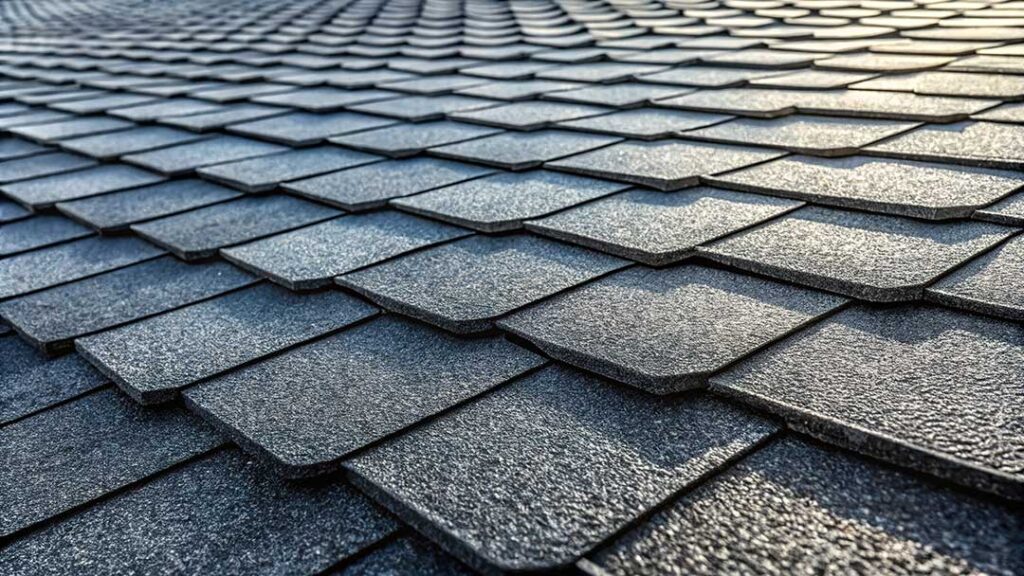
Choosing a roof color in Greene, NY involves more than selecting a shade that looks attractive on a sample board. The color should work with the home’s exterior, surrounding landscape, seasonal weather, roof design, and the amount of sunlight the building receives.
A well-chosen roof color can make a house look balanced and established. A poor match may make the roof appear disconnected from the siding, brick, stone, windows, or trim. Because roofing often lasts for decades, the decision deserves more thought than a quick comparison of gray, brown, and black samples.
What should be considered before choosing a roof color?
The most reliable starting point is the home’s fixed exterior features. Roof color can be changed during replacement, but siding, masonry, stonework, gutters, windows, and exterior doors are more expensive and difficult to alter.
Look at the colors that will remain in place:
- Siding or painted exterior walls
- Brick, stone, or foundation materials
- Window frames and shutters
- Exterior doors and trim
- Gutters, downspouts, and other visible metalwork
- Nearby porches, garages, sheds, and additions
A roof does not need to match every part of the house. It usually looks better when it complements the strongest existing colors. For example, a home with warm tan siding may work well with brown, weathered wood, or blended gray-brown roofing. A house with cool gray siding may be better suited to charcoal, slate, or a neutral gray with subtle variation.
Which roof colors work well with common home exteriors?
Neutral roof colors are usually the easiest to coordinate because they do not compete with the rest of the exterior. Gray, brown, charcoal, and blended tones can suit many architectural styles.
The general relationships below can help narrow the choices:
- White, cream, or light-colored siding: Medium gray, charcoal, brown, and weathered blends can all work, depending on whether the exterior has warm or cool undertones.
- Gray or blue-gray siding: Slate gray, charcoal, black, and some muted brown-gray blends often create a consistent appearance.
- Tan, beige, or yellow-toned siding: Brown, copper-like, weathered wood, and warmer gray tones are common complementary choices.
- Red or brown brick: Deep brown, charcoal, black, and certain muted green-gray colors may work better than bright or highly contrasting shades.
- Green siding: Brown, dark gray, and weathered blended colors can support the natural appearance without making the exterior look overly colorful.
These are starting points rather than fixed rules. The same roof color may look different beside a bright white exterior, a shaded cream exterior, or older siding that has faded over time.
Does roof color affect indoor temperature?
Yes, but the effect depends on the entire roofing system and the home’s insulation, ventilation, attic design, roof pitch, and exposure to sunlight. Darker roofing generally absorbs more solar heat, while lighter or specially designed reflective roofing can remain cooler in strong sun.
For homes in a four-season climate, roof color is only one part of energy performance. Heating demand is significant during cold weather, while summer heat still affects attics and upper floors. A lighter or reflective roof may reduce some summer heat gain, but it does not replace proper attic insulation and ventilation.
The difference between ordinary dark and light shingles is often less important than homeowners expect. Roof construction, insulation levels, air sealing, ventilation, and window exposure may have a greater effect on comfort and energy use. If energy performance is a major concern, review the product’s solar reflectance and thermal properties rather than judging only by its visible color.
Is a dark roof a poor choice for Greene homes?
Not necessarily. Dark roofs are common because they can create a clean, traditional appearance and work well with many exterior materials. Charcoal and deep gray can provide contrast against light siding, while dark brown may complement natural wood and brick.
A dark roof may absorb more summer heat, particularly on a home with limited attic insulation or little shade. That does not automatically make it unsuitable. The practical question is whether the color fits the house and whether the roof assembly is properly insulated and ventilated.
Darker roofs can also make a large or complex roof appear visually smaller. On homes with multiple gables, dormers, porches, or additions, a deep neutral color may help unify the different sections.
Should the roof match the siding?
Exact matching is rarely necessary. A roof that is the same color as the siding can make the exterior look flat, while strong contrast may draw too much attention to the roof.
A better approach is to coordinate the roof with the siding by using related undertones. Warm siding generally pairs more naturally with warm roofing. Cool siding often works better with cool or neutral roofing. If the siding has several colors or a textured appearance, a blended roof can pick up one of those tones without copying it exactly.
Also consider the amount of roof visible from the street. A steep roof, large ranch-style roof, or home on a hill may show a great deal of roofing. A smaller roof partially hidden by trees or porches may allow more flexibility.
How do roof samples compare with real roofs?
Small samples can be misleading. Roofing color is affected by sunlight, shade, viewing distance, surrounding trees, and the texture of the material. Granules and color variation can also make a roof appear lighter or darker across a large surface.
Before deciding, view samples:
- Outdoors rather than only under indoor lighting
- In morning, midday, and late-afternoon light
- Against the actual siding or masonry
- From the street and from across the yard
- During both sunny and overcast conditions
A color that looks attractive close up may appear much darker across a full roof. Conversely, a light sample may seem washed out when viewed from a distance. Digital visualizers can help compare general combinations, but screen colors should not be treated as exact.
What role do trees, snow, and seasonal conditions play?
Local surroundings matter. Homes with mature trees may have roofs that are viewed through shade for much of the day. A roof beneath trees can also show leaves, pollen, moss, or surface debris more clearly, depending on the color and material.
Snow creates another seasonal contrast. A very dark roof may make snow cover more visually noticeable, while a blended gray or brown may appear less stark. This is an appearance consideration rather than a measure of roof performance. Snow removal, ice dams, and winter moisture are influenced more by roof design, insulation, ventilation, drainage, and weather exposure than by color alone.
Autumn leaves and spring debris can also stand out against solid, high-contrast colors. A variegated or blended roof may conceal minor color differences caused by natural debris, although no roof color eliminates maintenance needs.
Can roof color affect resale appeal?
Roof color can influence first impressions, but there is no universally best color for every home. Neutral shades tend to appeal to more households because they are easier to coordinate with future exterior changes.
Highly unusual colors may narrow the number of people who like the appearance, especially in neighborhoods with established architectural patterns. That does not make them wrong, but the choice should be considered carefully if the home may be sold later.
For many houses, a roof color that looks natural with the siding, trim, landscape, and surrounding homes will remain visually acceptable longer than a trend-driven shade.
What mistakes should be avoided?
Common mistakes include choosing from a tiny indoor sample, ignoring the undertone of the siding, and selecting a roof color before considering permanent exterior materials.
Other problems include:
- Assuming black and charcoal are interchangeable
- Choosing a color that clashes with brick or stone
- Forgetting that the roof may look darker over a large area
- Focusing on appearance while overlooking insulation and ventilation
- Treating computer-generated color previews as exact
- Selecting a shade that works in summer but looks harsh against the winter landscape
The most balanced decision considers appearance, climate, roof visibility, neighboring architecture, and the home’s existing materials. In Greene, four-season light and weather can make a roof look noticeably different throughout the year, so viewing physical samples outside is one of the simplest ways to improve the choice.
