
What is the safest way to clean a roof?
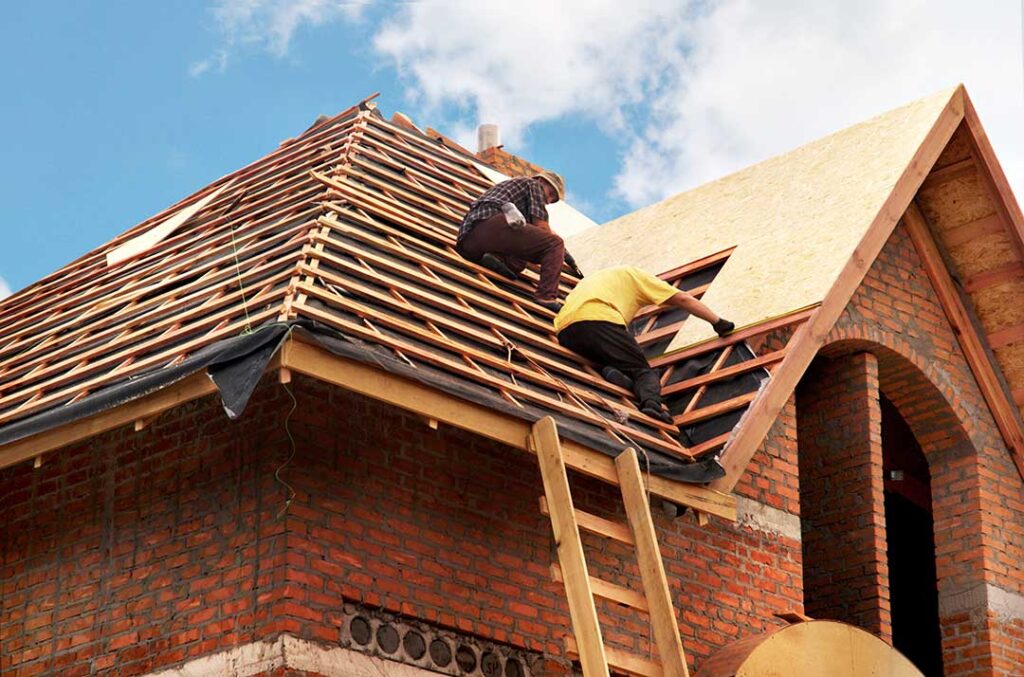
The safest approach is to avoid walking on the roof whenever possible and use a low-pressure cleaning method that matches the roofing material. For many homes, cleaning from the ground with an extension tool is safer than climbing onto the roof. If access is difficult, the roof is steep, or the surface is wet, icy, fragile, or heavily covered with growth, the work should not be attempted casually.
Roof cleaning is usually intended to remove leaves, pine needles, dirt, algae, moss, and lichen. It should not involve scraping aggressively, pressure-washing shingles, or using a chemical mixture without understanding how it may affect the roof, gutters, landscaping, siding, and nearby water.
In Greene, NY, seasonal moisture, fallen leaves, snow, and freeze-thaw cycles can create conditions in which roof debris stays damp for long periods. That makes footing less reliable and can encourage organic growth, especially on shaded roof slopes.
Should you walk on the roof to clean it?
Most homeowners should avoid walking on a roof unless there is a specific reason and safe access is available. Asphalt shingles become slippery when wet or coated with algae, and granules can loosen under foot traffic. Older shingles may crack or tear even when they appear intact from the ground.
Walking on metal roofing, slate, wood shakes, or other specialty materials can also cause damage. Some surfaces are especially slick, while others can break under concentrated weight. A ladder does not eliminate the risk of falling from the roof edge or through a weak section of roofing.
If a roof must be accessed, basic precautions include:
- Use a properly positioned ladder on stable, level ground.
- Keep ladders away from overhead electrical wires.
- Do not climb during rain, frost, snow, strong wind, or freezing temperatures.
- Wear slip-resistant footwear and avoid loose clothing.
- Never work alone.
- Keep children and pets away from the work area.
- Use fall-protection equipment only if it is designed, installed, and used correctly.
A roof that cannot be reached safely from the ground is not a suitable do-it-yourself cleaning project.
How should asphalt shingles be cleaned?
Asphalt shingles are generally cleaned with a gentle, low-pressure method. A roof-safe cleaning solution may be applied with a pump sprayer or similar equipment, then allowed to loosen organic staining before being rinsed lightly. The exact product directions should be followed, since overly strong solutions can damage shingles, plants, painted surfaces, and metal components.
Do not use a pressure washer on asphalt shingles. High-pressure water can remove protective granules, force water beneath the shingles, damage flashing, and shorten the roof’s service life. It may also make stains appear lighter temporarily without addressing the underlying growth.
Avoid hard brushing and scraping as well. Algae discoloration can often be treated without removing the shingle surface. Moss may require more patience, because it can attach to the edges of shingles and beneath overlapping layers. Pulling it away by hand can lift or break shingles.
A gentle treatment may reduce staining, but it will not correct the reason moss or algae developed. Persistent growth often relates to shade, trapped moisture, overhanging branches, clogged gutters, or poor roof drainage.
What is the difference between algae, moss, and lichen?
Algae usually appears as dark streaks or broad gray, green, or black discoloration. It may be most visible on roof sections that receive limited sunlight. Algae can be treated more gently than moss because it generally does not create the same physical lift beneath shingles.
Moss is thicker and more three-dimensional. It may look like a soft green layer and can hold moisture against the roof. As it expands, moss may lift shingle edges, interfere with drainage, and increase the risk of damage during freezing weather.
Lichen has a crusty or leafy appearance and can attach firmly to roofing materials. Attempts to scrape it off may remove part of the shingle or surface coating.
The safest cleaning method depends on the growth involved, the roof material, and the roof’s age. A dark roof is not necessarily dirty, and not every discoloration should be scrubbed away.
How can roof cleaning protect gutters and landscaping?
Cleaning chemicals and loosened debris can travel into gutters, downspouts, garden beds, lawns, and foundation drainage areas. Before applying any solution, protect vulnerable plants with clean water and temporary coverings that still allow air movement. Do not leave plastic over plants in direct sun for extended periods.
Gutters should be cleared before or during roof cleaning so that loosened debris does not create a blockage. Downspout outlets should be checked afterward. If runoff is directed toward a pond, stream, drainage ditch, vegetable garden, or private water source, chemical cleaning deserves extra caution.
Never mix cleaning products. Combinations involving chlorine bleach, acids, ammonia, or other household chemicals can create dangerous vapors or harmful runoff. Follow the label instructions for dilution, protective equipment, storage, and disposal.
A small test area can help show whether a cleaning method will discolor siding, corrode metal, or affect nearby surfaces. Testing should be done in an inconspicuous location before treating a larger roof section.
Can roof stains be prevented?
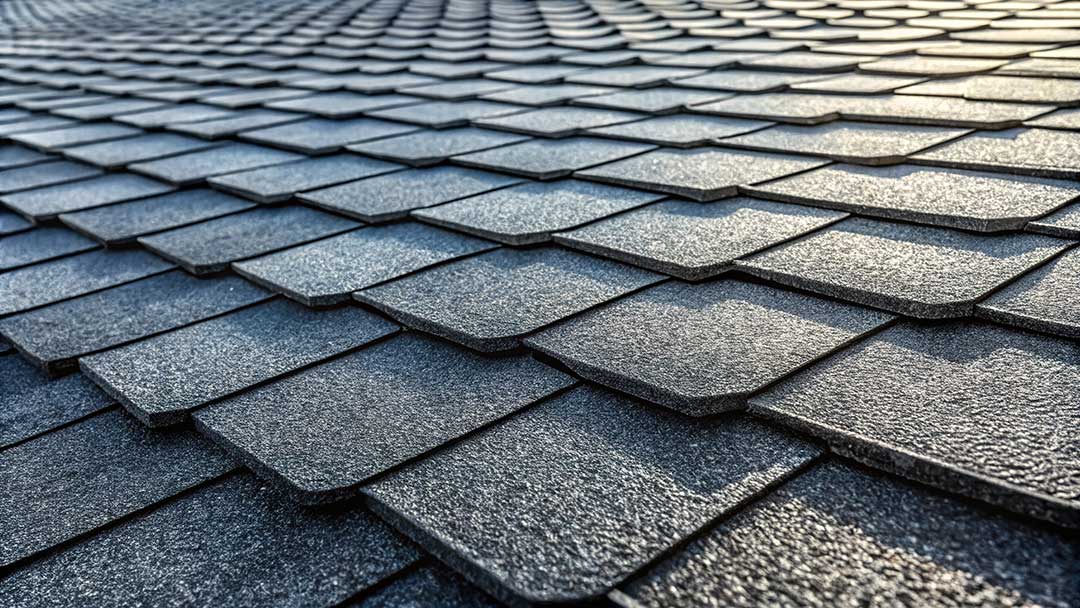
Prevention is usually easier than repeated heavy cleaning. Keep gutters and downspouts clear so water can move away from the roof and walls. Trim branches that continually shade the roof or drop large amounts of leaves and needles. Remove debris gently with a roof-safe tool from the ground whenever possible.
Improve airflow around the roof by keeping attic ventilation pathways clear. Good ventilation does not eliminate outdoor moisture, but it can help manage heat and humidity in the roof assembly. Interior moisture from bathrooms, kitchens, dryers, and humid spaces should also be vented properly.
Some roofs include metal strips or other features intended to limit algae growth, but these should not be installed by drilling into shingles or flashing without understanding the effect on water-shedding layers. Improperly placed fasteners can create leaks.
Roof stains also do not automatically mean the roof needs replacement. The condition of the shingles, flashing, ventilation, drainage, and underlayment matters more than appearance alone.
When should roof cleaning be postponed?
Cleaning should wait until the surface is dry, weather is calm, and temperatures are safely above freezing. Wet leaves and moss make both ladders and roof surfaces hazardous. Cold weather can also affect the performance of cleaning solutions and increase the chance of brittle shingle damage.
Postpone the work if:
- Snow, ice, frost, or heavy dew is present.
- Rain is expected during the work period.
- Wind could move ladders or spray runoff unpredictably.
- The roof has visible sagging, missing sections, exposed underlayment, or loose flashing.
- Gutters are pulling away from the roof edge.
- The roof has skylights, fragile slate, steep slopes, or complicated levels.
- There are signs of water entering the attic or living space.
A roof with structural or water-intrusion concerns should be evaluated before cleaning. Washing over a damaged area can conceal the problem temporarily or allow more water to enter.
How often should a roof be cleaned?
There is no universal schedule. A roof with good sun exposure and little surrounding vegetation may need only occasional debris removal. A shaded roof beneath mature trees may develop staining or moss sooner, particularly after wet seasons.
A practical routine is to inspect the roof from the ground in spring and fall, and after major wind or snow events. Look for lifted shingles, dark patches that are changing, moss at the lower edges, clogged gutters, damaged flashing, and debris collecting behind roof features.
Routine observation is safer than climbing up repeatedly. In the community, where seasonal leaves, snow, ice, and freeze-thaw conditions can place repeated stress on roofing, early attention to drainage and debris can help prevent a minor maintenance issue from becoming a leak.
IMAGE_ALT:
Person using a long-handled soft brush to remove roof debris while standing safely on the ground.
