
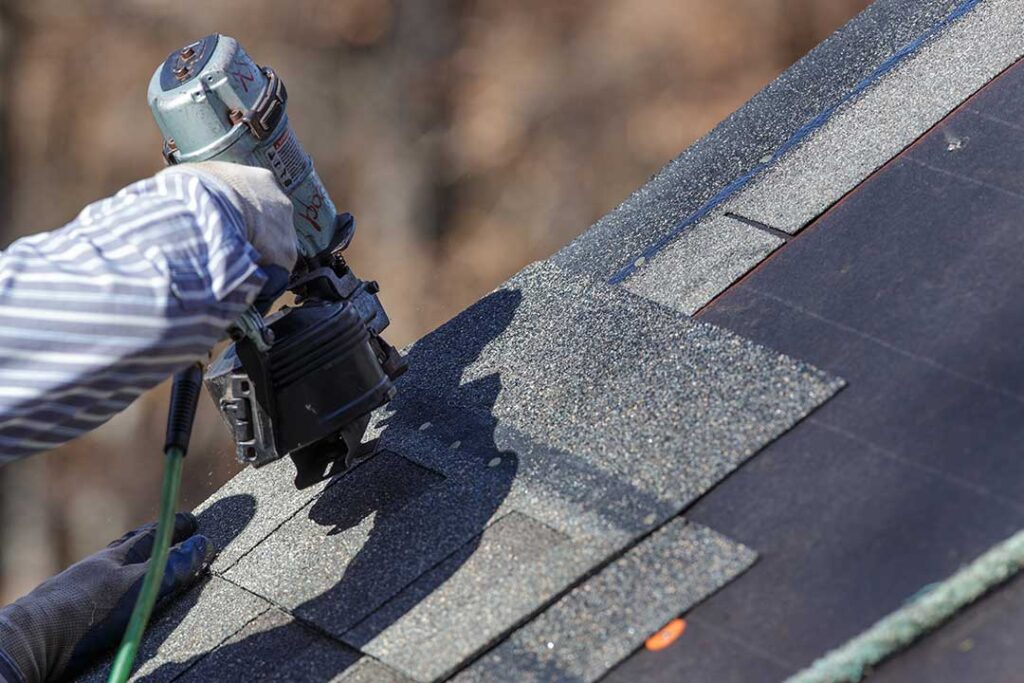
Regular roof maintenance helps prevent small defects from becoming water damage, structural problems, or premature roof replacement. For households in Greene, NY, routine attention is especially useful because roofs face repeated cycles of snow, freezing temperatures, wind, rain, summer heat, and falling leaves.
A roof does more than keep rain out. It protects insulation, attic framing, ceilings, walls, wiring, and personal belongings. Maintenance helps each part of that system continue working as intended.
Why does regular roof maintenance matter?
The main benefit is early detection. A missing shingle, loose flashing joint, blocked gutter, or damaged vent may not cause an obvious leak immediately. Water can travel beneath roofing materials and remain hidden until staining, damp insulation, mold growth, or wood deterioration appears indoors.
Routine maintenance can help:
- Identify damage before it spreads
- Reduce the likelihood of interior leaks
- Protect roof decking and attic framing
- Extend the useful life of roofing materials
- Improve drainage around the home
- Make repair decisions more predictable
- Reduce the chance of emergency work during severe weather
A roof does not have to look severely damaged to need attention. Small changes after a storm or winter season may be the earliest sign of a larger problem.
How does maintenance help roofs handle local weather?
Seasonal weather places different demands on roofing materials. Snow and ice add weight, while freeze-thaw cycles can widen small openings around flashing, fasteners, vents, and masonry. Wind can lift shingles or loosen edge materials. Heavy rain tests the roof’s drainage system, especially when gutters are clogged with leaves or roof debris.
During winter, melting snow may refreeze near colder eaves and create an ice dam. Water trapped behind an ice dam can work beneath shingles and enter the attic or wall assemblies. Good attic insulation and ventilation can help reduce uneven roof temperatures, while clear drainage paths help melting water move away from the structure.
Maintenance cannot prevent every weather-related problem, but it can reduce the number of weak points available for water and wind to exploit.
What should be checked during a roof maintenance inspection?
A useful inspection looks at the entire roof system rather than only the visible shingles. Common areas to review include:
- Shingles that are cracked, curled, blistered, loose, or missing
- Exposed nails or deteriorated sealant
- Flashing around chimneys, plumbing vents, skylights, and roof-to-wall transitions
- Valleys where water and leaves naturally collect
- Ridge vents, soffit vents, and other ventilation components
- Gutters, downspouts, splash blocks, and drainage outlets
- Moss, algae, branches, and accumulated debris
- Sagging roof lines or visible depressions
- Attic insulation, dampness, staining, and musty odors
Roof edges deserve particular attention because wind can affect them more strongly than protected interior areas. Valleys and penetrations also deserve careful review because they interrupt the main field of the roof and require additional weatherproofing.
How often should a roof be maintained?
Most homes benefit from a visual review at least twice a year, commonly in spring and fall, along with additional checks after unusually strong wind, heavy snowfall, or ice buildup.
Spring maintenance can reveal damage caused by winter conditions. It is also a practical time to remove accumulated branches, inspect flashing, and confirm that gutters and downspouts are functioning before periods of heavy rain.
Fall maintenance should focus on drainage and winter readiness. Leaves and small twigs can block gutters and downspouts, allowing water to back up near roof edges. Before winter, homeowners should also look for loose materials, exposed fasteners, damaged flashing, and attic moisture concerns.
Older roofs or homes beneath large trees may require more frequent observation. Maintenance timing should also reflect the roof’s material, slope, history of leaks, and exposure to wind.
Can roof maintenance lower long-term costs?
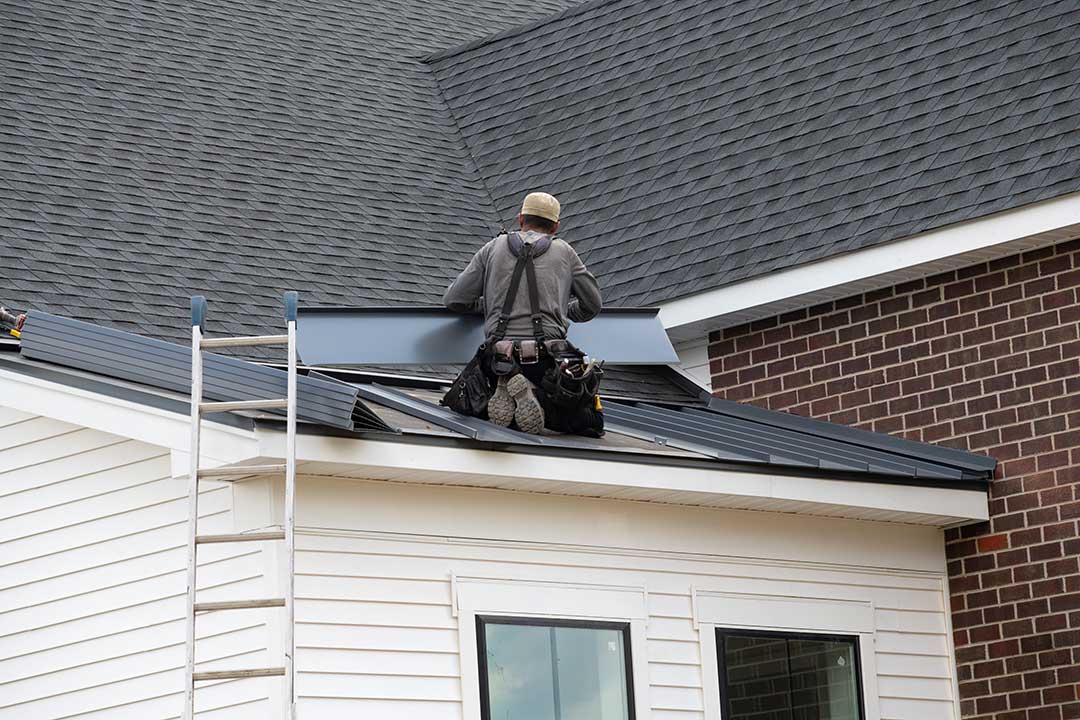
Maintenance does not eliminate roofing expenses, but it can make them more manageable. A small repair is generally less disruptive than replacing damaged decking, insulation, drywall, flooring, or interior finishes after a long-running leak.
Early attention may also help homeowners plan for eventual replacement. Roofing materials age gradually, and an inspection can identify whether the roof is likely to need isolated repairs or broader work in the future. Planning ahead may reduce the risk of making rushed decisions during an active leak or severe-weather event.
The financial benefit is not simply the cost of avoiding a repair. It also includes protecting household contents, reducing disruption, and limiting damage to parts of the home that are more difficult to access.
What roof problems are easy to overlook?
Some warning signs appear inside the home rather than on the roof. Homeowners should watch for:
- Brown or yellow ceiling stains
- Peeling paint near ceilings or upper walls
- Damp insulation in the attic
- A musty smell after rain
- Daylight visible through the roof deck
- Dripping near a chimney, vent, or skylight
- Unexplained increases in indoor humidity
- Granules collecting in gutters or at downspout outlets
A roof leak may not appear directly below the damaged area. Water can move along rafters, roof decking, insulation, or wall cavities before becoming visible. For that reason, an interior stain should not automatically be treated as a plumbing problem or as evidence that the roof surface directly above it is the only damaged location.
Does cleaning gutters count as roof maintenance?
Yes. Gutters and downspouts are part of the roof drainage system. Their job is to collect runoff and direct it away from walls, foundations, walkways, and landscaping.
When gutters are blocked, water may spill over the edge, soak fascia boards, stain siding, or collect near the foundation. In winter, trapped water can freeze and add weight to the gutter system. Clogged drainage can also contribute to water backup near roof edges during snowmelt.
Gutters should be checked after major leaf fall and again after storms. Downspouts should discharge water far enough away from the foundation to prevent repeated saturation. Extensions, splash blocks, and grading should be kept in working order.
Which maintenance tasks are safe for homeowners?
Ground-level observations, attic checks, gutter monitoring, and photographing visible changes can often be handled by homeowners. A pair of binoculars can help with a basic roofline review without climbing.
Roof walking is different. Wet shingles, steep slopes, frost, loose granules, and hidden damage can make the surface hazardous. Snow and ice removal also presents a fall risk and can damage shingles if handled incorrectly.
Professional assistance is appropriate when there is active leaking, suspected structural damage, significant snow loading, roof access difficulty, electrical equipment nearby, or any condition that makes inspection unsafe. Local building requirements may also apply when repairs alter roof structure, drainage, insulation, or other regulated components.
Regular maintenance is most effective when it is treated as part of ordinary home care rather than as a response to a visible emergency. A seasonal inspection, clear drainage system, dry attic, and prompt attention to small defects can help a roof perform reliably through the changing conditions experienced by homes in Greene.
