
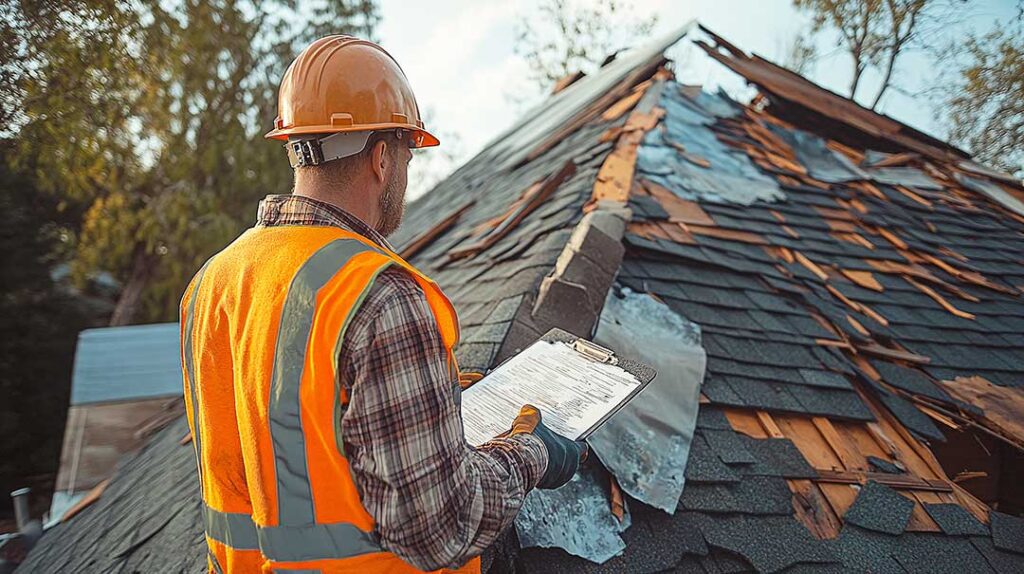
Hanging seasonal lights can be done safely without damaging shingles, gutters, siding, or electrical systems. The safest approach is to keep feet on the ground whenever possible, use only outdoor-rated equipment, and avoid putting people on a roof that is wet, icy, steep, or difficult to access.
Should lights be attached directly to the roof?
Usually, lights should be secured to the roof edge, fascia, soffit, or gutter rather than fastened through the roofing material. Nails, screws, staples, and other penetrations can damage shingles and create openings where water may enter.
Use clips designed for outdoor seasonal lighting. The clips should hold the light cord without crushing or cutting it, and they should be placed on a firm edge or trim surface. Avoid:
- Driving nails or staples through shingles
- Drilling into flashing, drip edges, or roof valleys
- Pulling the light strand tightly across the roof
- Hanging lights from loose gutters or downspouts
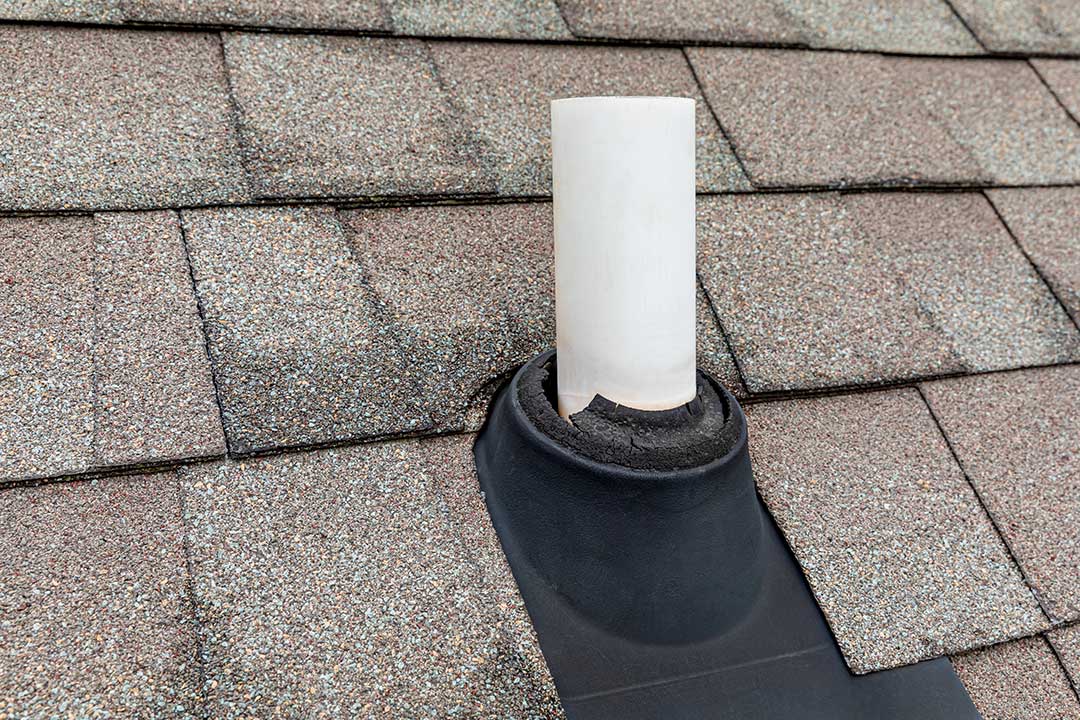
- Attaching decorations to plumbing vents, chimneys, or other roof penetrations
A roof is designed to shed water continuously. Even a small puncture can become a leak after repeated cycles of rain, snow, freezing, and thawing.
Is it safe to stand on the roof while hanging lights?
For most homes, staying off the roof is the safer choice. Asphalt shingles can become slippery from dew, frost, rain, or fine surface grit, and cold-weather footwear may not provide reliable traction. Steep slopes, moss, brittle shingles, skylights, and roof edges add further risk.
In Greene, winter conditions can change quickly. A roof that appears dry from the ground may have frost or a thin layer of ice in shaded areas. Snow and ice can also conceal weak spots, skylights, roof damage, and uneven surfaces.
If lights cannot be installed from the ground or from a properly positioned ladder, the project may involve a fall hazard that should not be handled casually. Never walk on a roof during active precipitation, strong wind, icy conditions, or immediately after a storm.
How should a ladder be used?
A ladder should stand on solid, level ground and be inspected before use. Keep all four feet stable, and do not place a ladder on snow, ice, loose soil, stacked materials, or wet leaves.
For an extension ladder:
- Set it at a safe angle according to the manufacturer’s instructions.
- Extend it above the landing point when access to a roof edge is unavoidable.
- Keep the upper end resting against a solid surface, not a gutter.
- Have another adult steady the ladder when conditions are uncertain.
- Face the ladder while climbing and keep both hands available whenever possible.
- Move the ladder instead of leaning sideways to reach another section.
Do not use a metal ladder near overhead electrical wires. A fiberglass ladder is not automatically safe around electricity; it can still conduct electricity when wet or when it contacts energized equipment.
A chair, bucket, rooftop air-conditioning unit, or pile of snow is not a substitute for a ladder.
What type of lights and cords are suitable outdoors?
Outdoor lights should be specifically marked for outdoor use. Indoor-only light strands and cords may not have the weather resistance needed for snow, rain, freezing temperatures, and sunlight.
Inspect every strand before installation. Discard or isolate any set with:
- Cracked or exposed insulation
- Loose sockets
- Bent or missing plugs
- Heat damage
- Frayed sections
- Corrosion
- Missing weatherproof covers
LED lights generally produce less heat and use less electricity than older incandescent strands, but they still require safe installation. Follow the manufacturer’s limits for how many strands may be connected together. Do not exceed the rating of an extension cord or outlet.
Outdoor extension cords should be rated for outdoor use, kept as short as practical, and positioned where they will not sit in standing water, become buried under snow, or create a tripping hazard.
Why is GFCI protection necessary?
Outdoor lighting should be powered through a ground-fault circuit interrupter, commonly called a GFCI. This protection helps shut off power when electricity begins flowing through an unintended path, such as wet ground, a damaged cord, or a person.
Before installing lights, test the outdoor GFCI outlet using its test and reset buttons. If it will not reset, trips repeatedly, feels warm, or shows signs of damage, do not use it for the lighting setup.
Never defeat a GFCI, use a damaged adapter, or connect outdoor lights through an improvised junction. Keep plug connections elevated and shielded from direct water, while still allowing heat to escape. Do not wrap connections tightly in plastic or place them inside a container where moisture can collect.
How can lights be secured against wind and snow?
Outdoor lights should be attached firmly enough to resist wind but loosely enough to avoid stressing the cord. Leave modest slack between clips so movement does not pull against sockets or plugs.
Do not place lighting where snow sliding from an upper roof plane can drag it down. This is especially important below steep roof sections, near valleys, and beside dormers or other roof projections. Snow guards, ice, and roof overhangs can change how snow falls.
Keep lights away from locations where falling ice could strike people, vehicles, walkways, or electrical connections. Do not hang cords across stairs, driveways, sidewalks, or frequently used entrances unless they are protected from foot and vehicle traffic.
Can lights be attached to gutters?
Light clips may be used on sound gutters if they are designed for that purpose and the gutter is firmly secured. Do not use the light strand to support the gutter, and do not allow the weight of decorations to pull on the gutter brackets.
Avoid attaching lights to gutters that are sagging, pulling away from the fascia, heavily clogged, or already damaged. Winter ice can add substantial weight, and a decorative installation may worsen an existing problem.
Downspouts should remain clear. Never wrap cords tightly around them or block the outlet at the bottom.
What electrical and fire precautions should households take?
Turn lights off before going to bed or leaving the home unless the equipment is specifically designed for continuous operation and protected by appropriate controls. A timer can reduce the amount of time the system is energized, but it does not correct damaged wiring or poor connections.
Keep lighting away from combustible materials, including dry branches, loose roof debris, and decorations that can move against hot components. Do not connect lights to a circuit that is already overloaded by heaters, tools, or other high-demand equipment.
If a cord, outlet, plug, or light strand becomes hot, smells scorched, sparks, or repeatedly trips the circuit, disconnect power if it can be done safely and remove the item from use.
When should roof lighting be postponed?
Postpone installation when the roof, ladder base, or surrounding ground is wet, icy, snow-covered, muddy, or unstable. Strong wind is another reason to wait, particularly when working with long strands that can act like sails.
Also postpone the project if roof edges are damaged, shingles are loose, gutters are unstable, or branches are contacting the roof or electrical lines. A lighting project should not become a reason to walk across a roof that already needs repair.
If installation requires roof access, electrical modifications, work near overhead lines, or movement on a steep or fragile surface, the safest choice is to use someone with the appropriate training and equipment rather than attempting the task with household tools.
How should lights be removed after winter?
Remove lights during a dry, calm period before cords become brittle or buried in snow. Unplug the system before taking down any strand, and do not pull lights by the cord. Release each clip carefully so shingles, gutters, and trim are not damaged.
After removal, inspect the roof edge and gutters for loose clips, pulled fasteners, cracked shingles, or new sagging. Store dry light strands in a loose coil rather than a tight knot, and label any set with damage so it is not used again next season.
