
What should Greene, NY homeowners check before hurricane season?
The Atlantic hurricane season runs from June 1 through November 30, although tropical systems can develop outside those dates. For households in Greene, preparation is less about expecting a direct hurricane strike and more about reducing the roof damage that can result from strong wind, heavy rain, falling branches, and extended power outages.
A roof that appears sound from the ground may still have loose shingles, weakened flashing, blocked drainage, or aging sealants. A seasonal inspection gives homeowners time to correct minor problems before weather conditions make repairs difficult or dangerous.
Is the roof ready for strong wind and heavy rain?
Begin with a ground-level inspection, then arrange a closer evaluation only if it can be done safely. Look for:
- Missing, lifted, curled, cracked, or visibly damaged shingles
- Exposed fasteners or roofing materials
- Loose metal edging along roof slopes
- Damaged or separated flashing around chimneys, vents, skylights, and wall intersections
- Sagging areas on the roof surface
- Excessive moss, algae, or debris that may conceal deterioration
- Shingle granules collecting in gutters or at the base of downspouts
Pay particular attention to roof edges, ridges, valleys, and penetrations. These areas experience added exposure to wind and water. A small opening around a vent or flashing detail can allow rain to enter an attic even when the main roof surface looks intact.
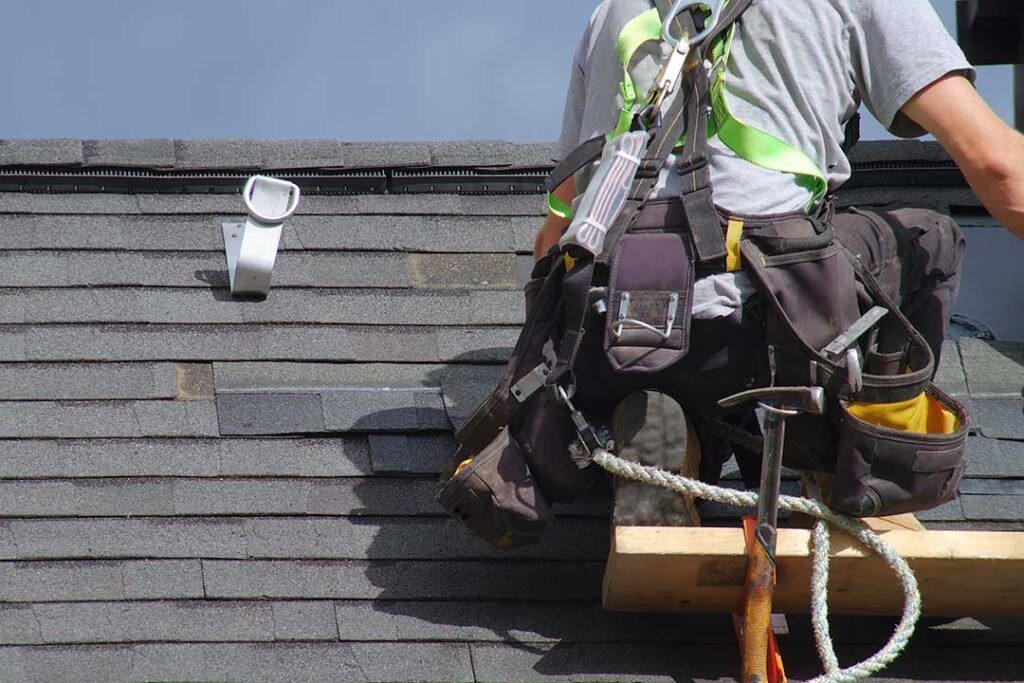
Do not climb onto a wet, steep, or visibly damaged roof. Ladders, roof surfaces, and tree limbs can become hazardous before a storm arrives.
Why are gutters and downspouts part of hurricane preparation?
Clean gutters and downspouts help move intense rainfall away from the roof and foundation. If they are clogged with leaves, twigs, or sediment, water may overflow against fascia boards, siding, windows, or the foundation.
Before the season:
- Remove accumulated debris from gutters.
- Confirm that downspouts are firmly attached.
- Make sure water discharges several feet away from the foundation when practical.
- Check for sagging sections, separated joints, and rusted areas.
- Clear leaves and branches from roof valleys and drainage paths.
- Inspect splash blocks or extensions so runoff does not collect beside the home.
In Greene, seasonal leaf drop and winter weather can leave drainage systems carrying debris well into the following spring. A gutter that worked adequately during ordinary rain may overflow during a slow-moving tropical system.
Do not rely on gutter guards as a substitute for inspection. Guards can reduce debris, but they can also become obstructed or allow fine material to accumulate beneath them.
What roof and attic problems are easy to overlook?
The attic often reveals warning signs that are not visible from outside. Look for daylight entering through the roof deck, damp insulation, water stains, musty odors, or darkened wood around vents and penetrations.
Also check whether attic ventilation openings are blocked. Proper ventilation helps manage heat and moisture, but vents must be securely installed and protected from wind-driven rain. Loose vent covers, damaged screens, and deteriorated sealants can become entry points during severe weather.
Inside the living area, inspect ceilings and upper walls for:
- New discoloration
- Peeling paint
- Bubbling or soft drywall
- Damp odors after rainfall
- Repeated stains near the same roof feature
A ceiling stain does not always identify the exact location of a roof opening. Water can travel along rafters or roof decking before appearing indoors. Temporary patching from inside the home may limit immediate dripping, but it does not correct the exterior source.
Should loose shingles be repaired before a storm?
Yes. Loose or partially detached roofing materials can be torn away by strong gusts, exposing the roof deck to rain. Even a small missing area can lead to interior water damage if the storm continues for several hours.
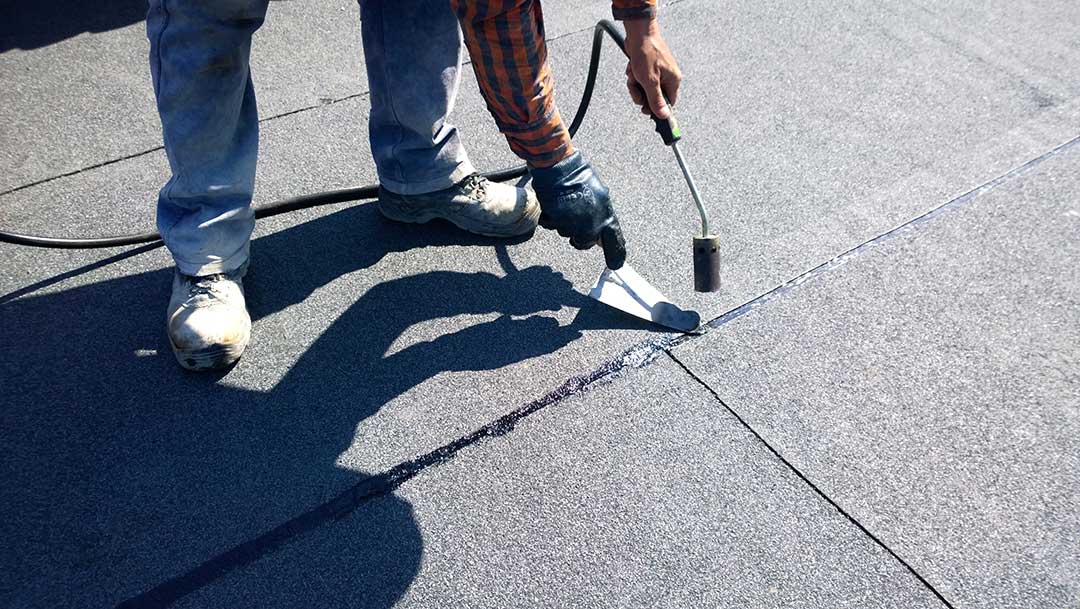
Repairs should be completed during dry, calm conditions. Roofing materials may not adhere properly in cold or wet weather, and rushed work immediately before a storm can create additional problems. If a roof has widespread deterioration, repeated leaks, sagging, or structural damage, evaluation by a qualified roofing professional is warranted because these conditions may involve safety risks beyond a simple shingle repair.
Homeowners should avoid placing tarps, boards, or other materials on a roof during high winds. Improvised coverings can detach and become airborne debris.
How can trees and outdoor objects damage a roof?
Wind damage often begins outside the roof itself. Dead branches, weak limbs, unsecured furniture, ladders, tools, planters, and children’s equipment can strike shingles, vents, siding, or windows.
Before severe weather is forecast:
- Remove loose items from decks, porches, and yards.
- Secure larger objects that cannot be moved indoors.
- Keep ladders and tools in a protected location.
- Examine trees for dead limbs or branches that extend over the roof.
- Arrange tree work in advance if branches present a clear hazard.
Tree trimming near electrical lines or unstable limbs is not a safe do-it-yourself task. Such work may require specialized equipment and should not be attempted during storm conditions.
What should homeowners do when a hurricane or tropical storm is approaching?
Complete outdoor preparations before winds become strong. Once tropical-storm-force winds arrive, ladders, roof access, and exterior work become unsafe.
As the storm approaches:
- Recheck gutters and downspouts if conditions remain safe.
- Close and secure windows and exterior doors.
- Move vehicles away from trees when possible.
- Bring in or secure loose outdoor items.
- Keep flashlights, batteries, medications, important documents, and basic supplies accessible.
- Monitor official weather alerts and follow evacuation or shelter instructions.
Do not inspect the roof during the storm, even if a leak develops. Place containers under interior drips only if doing so does not require entering an unsafe area. Avoid electrical fixtures or outlets near water.
A hurricane warning is not the time to begin major roof repairs. Preparation works best when it is completed days or weeks beforehand.
What should be documented for insurance and recovery?
Take dated photographs of the roof, gutters, attic, ceilings, and nearby trees before severe weather threatens. Store copies with insurance information and household records.
After the storm, wait until conditions are safe before checking for damage. Look from the ground for missing roofing materials, exposed underlayment, displaced flashing, fallen branches, and damaged gutters. Do not climb onto the roof or enter areas with sagging ceilings, active electrical hazards, or possible structural damage.
Record damage with photographs before disturbing debris, except when immediate action is needed to prevent injury or further property damage. Keep receipts for emergency measures and follow the instructions in the homeowners insurance policy.
Does preparation stop after hurricane season?
No. Roof readiness is also useful for the fall and winter conditions that affect local homes. Heavy leaves, ice, snow, freeze-thaw cycles, and wind can worsen small defects that were overlooked during summer.
A practical maintenance schedule includes a spring inspection after winter, a late-summer check before the most active part of Atlantic tropical weather, and a fall review after leaves have accumulated. Addressing drainage problems, damaged flashing, and loose materials during calm weather is safer and generally more effective than waiting until water is entering the home.
