
Which roofing material is better for Greene, NY homes?
Neither asphalt shingles nor metal roofing is automatically the better choice for every home. Asphalt shingles are usually simpler and less expensive to install, while metal roofing generally offers a longer service life and stronger resistance to certain weather conditions.
For homes in Greene, seasonal changes matter. Roofs must handle freezing temperatures, snow, ice, wind, rain, summer heat, falling branches, and repeated freeze-thaw cycles. The quality of the roof deck, flashing, ventilation, underlayment, and installation can matter just as much as the visible roofing material.
How do asphalt shingles and metal roofing differ?
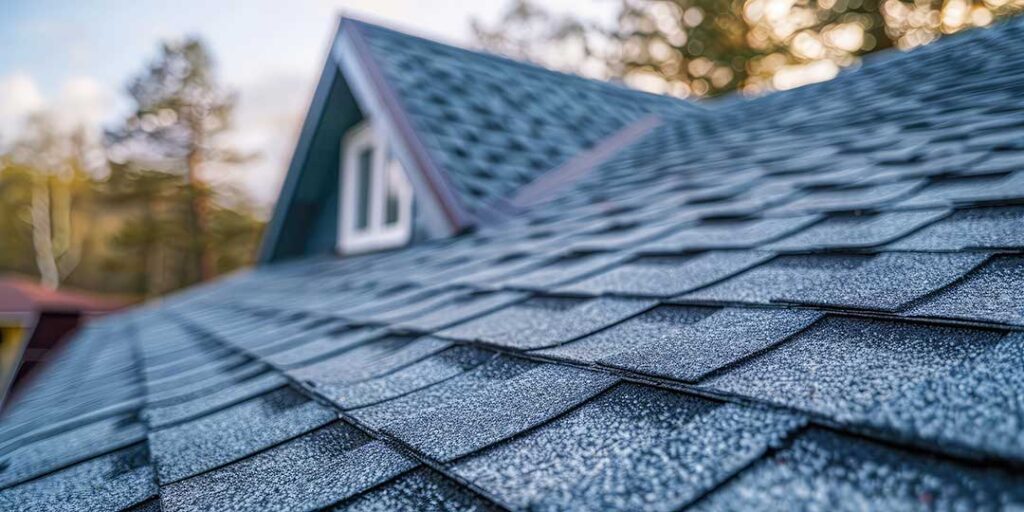
Asphalt shingles are layered roofing products made with a fiberglass base, asphalt coating, and mineral granules. They are available in several grades and styles, including architectural shingles that provide more dimensional texture than basic three-tab shingles.
Metal roofing may consist of exposed-fastener panels, concealed-fastener standing-seam panels, or metal shingles designed to resemble other roofing materials. The metal can be coated steel, aluminum, or another corrosion-resistant material.
The comparison is not simply “short-lived shingles versus permanent metal.” Both systems can perform well when properly selected for the roof design and installed according to applicable code requirements.
Which option costs less initially?
Asphalt shingles usually have the lower upfront cost. The materials are widely available, familiar to many installers, and relatively straightforward to transport and cut. This can make them practical for homeowners replacing a roof on a limited budget.
Metal roofing generally costs more at installation. The price reflects the material, specialized accessories, more precise measurements, and installation details around valleys, chimneys, skylights, vents, and roof edges.
Initial cost should not be the only comparison. A less expensive roof may need replacement sooner, while a higher-cost roof may spread its value over a longer period. Homeowners comparing prices should ask what is included, such as removal of old roofing, replacement of damaged decking, ice-barrier protection, flashing work, ventilation improvements, and disposal.
Which roof lasts longer?
Metal roofing commonly has a longer expected service life than asphalt shingles. Depending on the material, coating, exposure, roof design, and maintenance, a properly installed metal roof may remain serviceable for several decades.
Asphalt shingle life varies considerably. Basic shingles generally have a shorter service life than heavier architectural or premium products. Heat, poor ventilation, algae, wind exposure, installation quality, and repeated ice or snow stress can all affect performance.
A long warranty does not guarantee that a roof will last for the full stated period. Warranties often have conditions involving ventilation, installation, maintenance, product selection, and the definition of a defect. The actual roof assembly and local exposure deserve as much attention as the warranty language.
How do they handle snow and ice?
Both materials can be suitable for snowy conditions, but roof design and ice protection are critical.
Metal roofing allows snow to slide more easily, which can be useful but may also create a hazard over entrances, walkways, parked vehicles, or lower roof sections. Snow guards or other retention details may be needed in appropriate locations. Metal roofs can also produce large, sudden snow releases after a warm-up.
Asphalt shingles provide more surface friction, so snow often remains in place longer. That does not eliminate the risk of ice dams. Ice dams usually develop when heat escapes into the attic, warms the underside of the roof, melts snow, and allows water to refreeze near colder eaves.
Proper attic insulation, air sealing, ventilation, underlayment, and roof-edge detailing are central to ice-dam control. Changing roofing materials alone will not correct an attic moisture or heat-flow problem.
Which material handles wind and severe weather better?
Both asphalt shingles and metal roofing are available in products tested for wind resistance. Performance depends on the specific product, fastening pattern, roof slope, edge treatment, and installation.
Metal panels can resist wind well when securely fastened and properly detailed. Exposed fasteners may loosen or require attention over time, while concealed-fastener systems have different movement and maintenance considerations.
Asphalt shingles can perform reliably, but damaged or improperly sealed shingles are more vulnerable to wind uplift. Strong wind can lift shingle edges, especially at roof perimeters and corners.
After a major storm, visible damage may not tell the whole story. Missing granules, creased shingles, bent metal panels, displaced flashing, and damaged vents can allow water entry later.
Is metal roofing noisier during rain?
Metal roofing can sound louder during rain or hail, particularly when installed over an open structure with little insulation. In a finished home, roof decking, underlayment, insulation, and attic space usually reduce the sound substantially.
Noise depends more on the complete roof assembly than on the metal surface alone. A metal roof over solid decking with suitable underlayment may sound quite different from a lightly framed porch roof or detached structure.
Homeowners who are sensitive to sound should consider the roof assembly, attic insulation, ceiling construction, and interior room location before making a decision.
Which roof is easier to repair?
Asphalt shingles are generally easier to repair in small sections. Individual shingles can often be replaced when the surrounding material remains in good condition. Matching can become difficult as the roof ages or the original product is no longer available.
Metal roofing repairs depend on the system. A damaged panel may require work across seams or fasteners rather than a simple one-piece replacement. Scratches, corrosion, loose fasteners, failed sealants, and damaged flashing all require different approaches.
Walking on either roof can cause damage or create a fall hazard. Metal panels may be slippery, while asphalt shingles can lose granules or crack when handled improperly, especially in cold weather.
How do appearance and neighborhood fit compare?
Asphalt shingles offer familiar residential styling and a wide range of colors and textures. They are often compatible with older homes, additions, porches, and roofs with several intersecting sections.
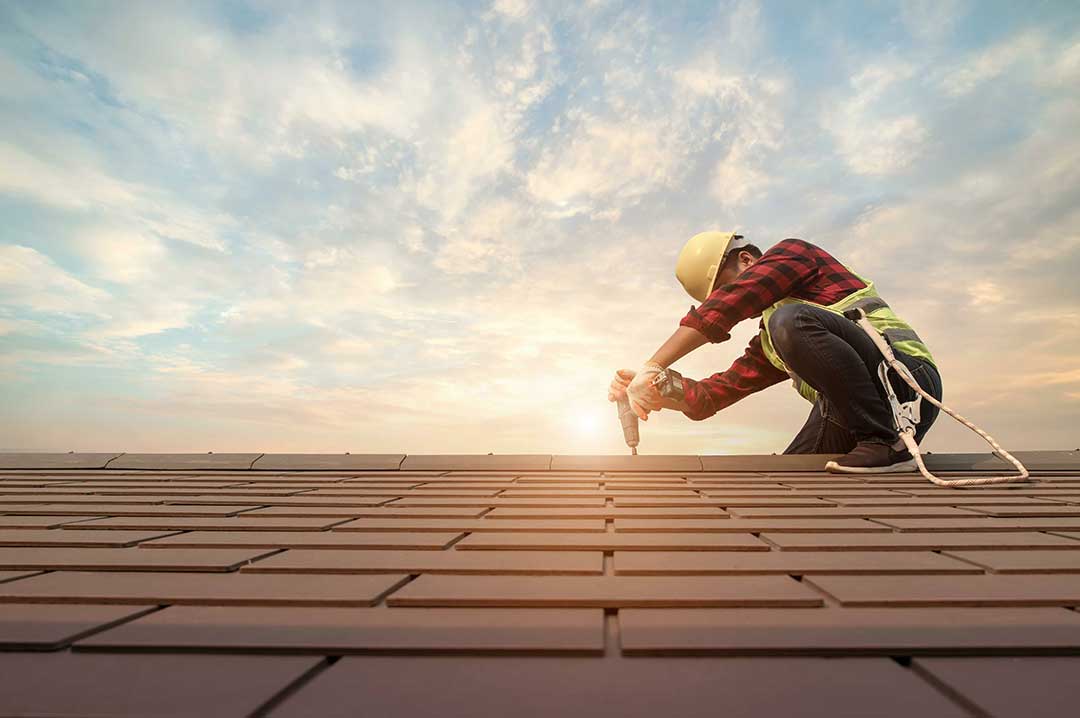
Metal roofing provides a distinct appearance and can suit simple rooflines, steep slopes, cabins, farm-style homes, and contemporary designs. Metal shingles can provide a less visibly modern appearance than large standing-seam panels.
Color selection also affects heat absorption, fading, and how replacement sections will look later. Dark materials may become warmer in direct summer sun, although attic ventilation and insulation are usually more significant for indoor comfort than roof color alone.
Are there code or structural issues to consider?
New York’s residential construction requirements address both asphalt and metal roof coverings, including installation, weather protection, fire classification, flashing, underlayment, and roof drainage. Requirements can change, so a roof replacement or structural modification should be evaluated under the code applicable to the project.
Metal roofing is not automatically lightweight in every form, and an existing roof may already contain multiple layers. The condition of the roof deck, framing, sheathing, and existing coverings should be understood before adding another layer or changing materials.
Some roof designs are poor candidates for certain metal systems because of low slope, complicated valleys, inadequate drainage, or limited space for proper flashing. Asphalt shingles also have minimum slope and underlayment requirements.
Which choice makes more sense for a local home?
Asphalt shingles may be a practical choice when the priority is lower initial cost, familiar appearance, easier spot repairs, or compatibility with a complicated residential roof.
Metal roofing may be appealing when the priority is long service life, resistance to embers and certain weather impacts, reduced replacement frequency, or a specific architectural appearance.
Before choosing, compare more than the surface material:
- Roof slope and complexity
- Condition of the decking and framing
- Attic insulation and ventilation
- Ice-dam protection at eaves and valleys
- Snow-shedding risks near doors and walkways
- Flashing around chimneys, walls, vents, and skylights
- Expected time in the home
- Total cost over the roof’s expected service life
For either system, careful detailing at edges, valleys, penetrations, and transitions is essential. In Greene, winter weather can expose weaknesses that remain hidden during installation, making the complete roof assembly a more useful measure of quality than the material name alone.
