
Why seasonal roof maintenance matters in Greene, NY
A roof in Greene, NY must handle snow, ice, wind, rain, humidity, falling leaves, and repeated freeze-thaw cycles. Seasonal maintenance helps identify small problems before they become interior leaks, insulation damage, structural deterioration, or unsafe falling ice.
A useful approach is to inspect the roof from the ground several times each year and perform closer checks only when conditions are safe. Roof surfaces can be slippery even when they appear dry, and damaged shingles or weak decking may not support a person’s weight.
What should be checked in early spring?
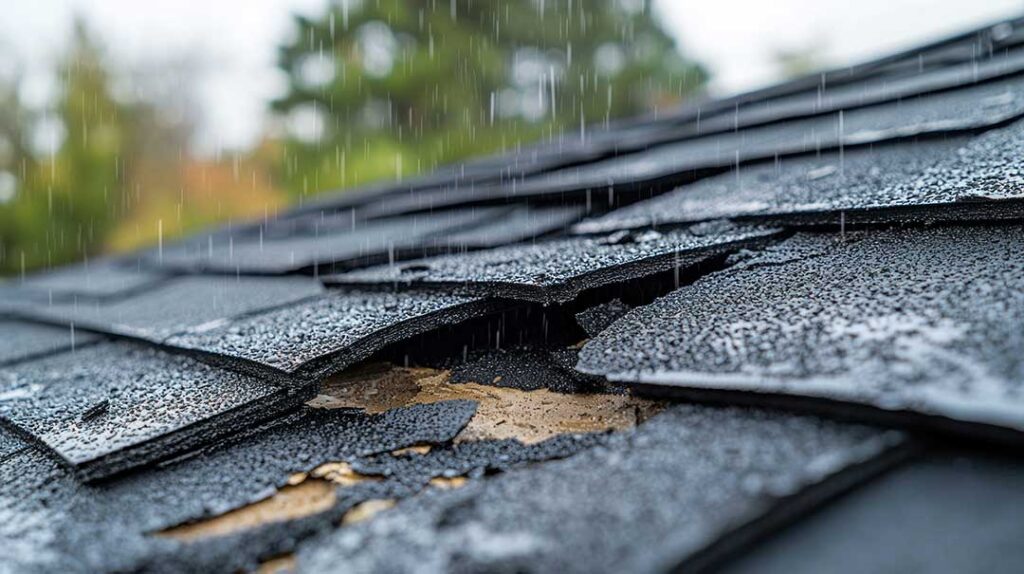
Spring is the best time to look for damage caused by winter weather. Snow and ice can loosen shingles, bend flashing, clog drainage paths, and expose weak areas around roof penetrations.
Look for:
- Missing, cracked, curled, or lifted shingles
- Dark patches on the roof that may indicate exposed underlayment
- Bent or separated metal flashing around chimneys, vents, skylights, and wall intersections
- Granules collecting in gutters or near downspout outlets
- Sagging roof sections or visibly uneven roof lines
- Water stains on ceilings, attic rafters, or upper wall surfaces
- Damp insulation, musty odors, or signs of mold in the attic
- Ice damage along eaves, fascia, and soffits
Do not assume a roof is undamaged simply because there was no visible leak during winter. Water can travel along rafters and insulation before appearing indoors, sometimes weeks after the original entry point.
Spring is also a good time to confirm that attic ventilation remains open. Blocked soffit vents, compressed insulation, or debris near ridge vents can trap moisture and heat, contributing to condensation and premature roof deterioration.
How can summer heat and storms affect a roof?
Summer maintenance should focus on heat, ultraviolet exposure, heavy rainfall, and wind. High temperatures can make aging shingles brittle, while thunderstorms may damage flashing, vents, gutters, and nearby tree limbs.
After a strong storm, inspect the property from the ground for:
- Shingles or metal pieces in the yard
- Exposed fasteners or lifted roof edges
- New dents or bruising on roofing materials
- Damaged chimney caps, vent covers, or satellite-related penetrations
- Detached gutters or downspouts
- Tree branches resting on or near the roof
A roof does not need to be visibly torn open to have storm damage. Small lifted areas can allow wind-driven rain beneath the roofing material. Hail may leave subtle marks that become more serious after repeated wetting and freezing.
Summer is also an appropriate time to trim branches that touch the roof or scrape against it during windy weather. Branches can remove protective granules, damage shingles, and provide a path for animals to reach attic spaces.
What should homeowners do before autumn leaves fall?
Autumn preparation is mainly about keeping water moving away from the roof and foundation. Leaves, pine needles, and small branches can collect in gutters and valleys, especially around homes with mature trees.
Before the first sustained freeze:
- Clean gutters and confirm that water flows through each downspout
- Make sure downspouts discharge away from the foundation
- Remove leaves from roof valleys and low-slope areas where safe
- Check that gutter hangers and fascia boards are secure
- Inspect flashing around chimneys, vents, and roof-to-wall transitions
- Look for moss or organic growth that holds moisture against roofing materials
- Replace deteriorated pipe collars or vent boots before winter
- Check attic insulation and ventilation for obvious gaps or blockages
Gutters do not prevent every roof leak, but clogged gutters can cause water to back up beneath roof edges, soak fascia boards, and freeze into heavy formations. In colder weather, this may contribute to ice buildup and damage along the eaves.
Autumn is also a practical time to inspect the attic after a cool night. Frost, damp insulation, or water droplets on the underside of roof decking may indicate excess indoor moisture or inadequate ventilation.
How should a roof be prepared for snow and ice?
The most effective winter preparation occurs before snow arrives. The roof should have clear drainage paths, secure flashing, and adequate attic insulation and ventilation.
Ice dams form when heat escaping from the living space warms part of the roof, causing snow to melt. The water then refreezes near colder eaves. The resulting ice can force water beneath shingles and into walls or ceilings.
Warning signs include:
- Repeated ice buildup in the same area
- Icicles forming along several roof edges
- Water stains near exterior walls or upper ceilings
- Frost or condensation in the attic
- Uneven snow melting across the roof
Ice dams are not solved simply by adding more roof-edge heat cables or chopping at the ice. The underlying heat loss, ventilation, insulation, drainage, and weather conditions all matter. Chisels, axes, and metal tools can damage shingles and underlayment.
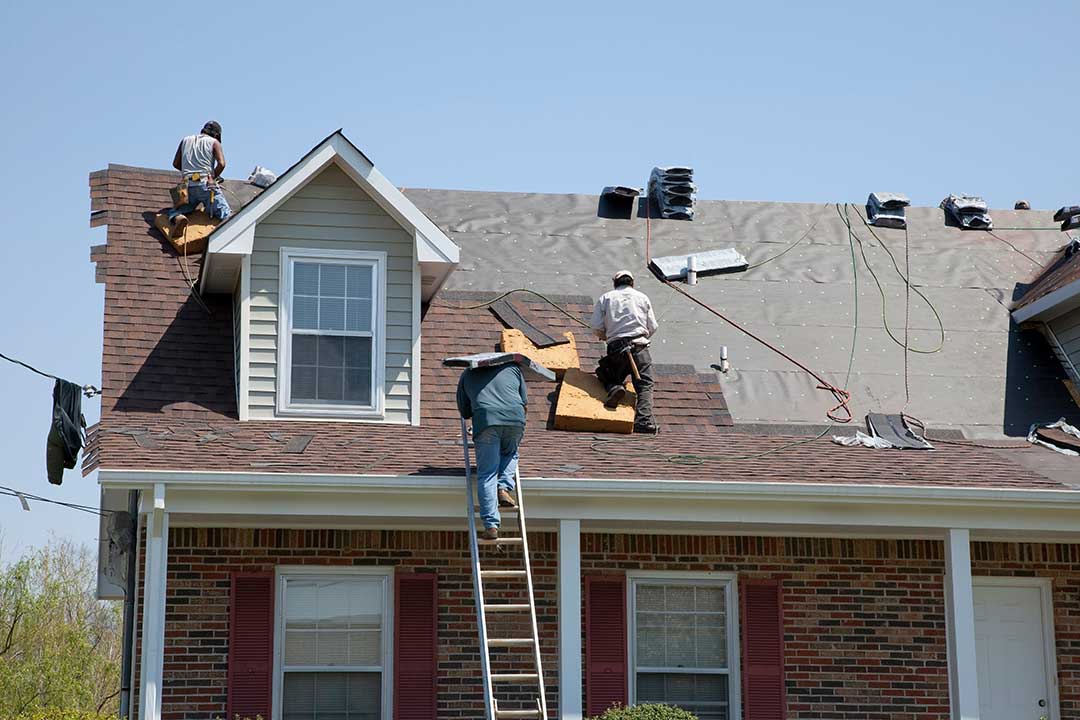
Large snow accumulations also create a structural concern, particularly on low-slope roofs, older structures, additions, porches, and areas where drifting occurs. Snow removal from a roof can be dangerous because of falls, hidden ice, overhead hazards, and the possibility of damaging roofing materials. If removal is necessary, the work should be handled using safe methods appropriate to the roof design.
How often should gutters, flashing, and attic spaces be checked?
A practical schedule is a ground-level inspection in spring and autumn, plus an additional check after severe wind, hail, or heavy snow. Gutters may need more frequent attention when trees surround the house.
Attic spaces deserve attention because they reveal problems that are not always visible from outdoors. Check for:
- Daylight entering through unexpected roof openings
- Wet or compressed insulation
- Rusted nails or metal connectors
- Staining around vents and chimneys
- Peeling paint or damp wood
- Unusual odors
- Signs of rodents or birds
Flashing should be viewed as a system rather than a single strip of metal. Roof intersections, chimneys, dormers, skylights, and vent penetrations are common leak locations because they combine multiple materials and movement points.
What roof problems require immediate attention?
Some conditions should not wait for the next seasonal inspection:
- Active water entering the home
- A visibly sagging roof area
- Large sections of missing roofing
- A fallen tree or heavy branch on the roof
- Electrical equipment affected by a leak
- Structural cracking or movement
- Snow or ice hanging above entrances, walkways, or driveways
- A ceiling that is bulging from trapped water
Keep people away from areas where falling ice, roof debris, or structural failure is possible. If water is near electrical fixtures, avoid contact with the fixture and address the electrical hazard safely.
Roof replacement and roof recovery work in Greene may require a permit under applicable New York State building requirements. Property owners should verify current local requirements before beginning regulated roofing work, particularly when more than minor maintenance is involved.
Which maintenance tasks are safe to do yourself?
Ground-level observations, attic checks, gutter cleaning from a properly positioned ladder, and clearing small amounts of debris may be reasonable for capable homeowners using safe equipment and weather conditions.
Avoid walking on steep, wet, icy, fragile, or visibly damaged roof surfaces. Do not use pressure washing to remove moss or algae from shingles, since high-pressure water can strip protective granules and force moisture beneath the roofing material.
Routine maintenance is most useful when it is documented. Taking dated photographs from the same ground locations, recording leaks or repairs, and noting when gutters were cleaned can help identify recurring trouble spots and changes over time.
