
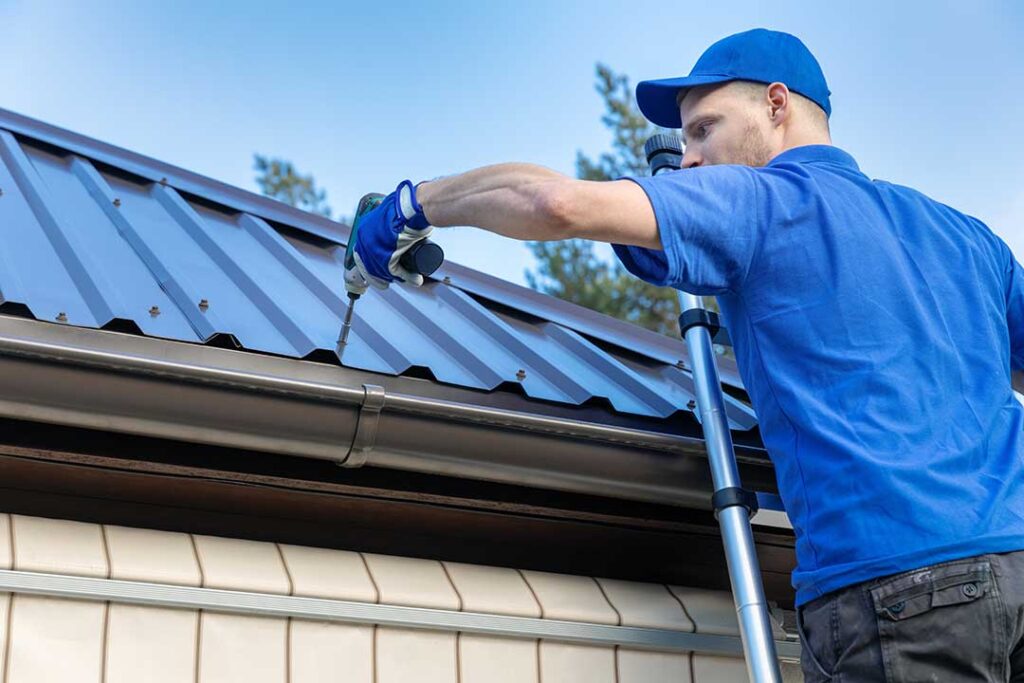
A roof leak rarely damages only the shingles or the spot where water first appears indoors. Moisture can travel through insulation, ceiling materials, wall cavities, framing, and electrical spaces before anyone notices visible staining. In Greene, NY, changing seasons, heavy rain, snow, ice, and freeze-thaw cycles can all contribute to roof problems that affect a home’s structure over time.
What happens to a home’s structure after a roof begins leaking?
A leaking roof allows water to reach materials that were designed to stay dry. Wood framing, roof decking, insulation, drywall, and fasteners can gradually lose strength when exposed to repeated moisture.
The damage may begin with a small opening around a flashing joint, roof penetration, vent, or damaged shingle. Water can then move sideways along the underside of the roof or follow rafters and framing members before entering a room. This is why an indoor stain does not always appear directly below the exterior leak.
Repeated wetting is more harmful than a single brief moisture event. Materials may dry after one storm, but recurring leaks can keep wood damp long enough for decay, mold growth, corrosion, and loss of structural capacity to develop.
Can a roof leak weaken roof decking and rafters?
Yes. Roof decking and rafters can weaken when water repeatedly reaches them.
Roof decking is the layer installed over the rafters or trusses beneath the exterior roofing materials. It helps distribute weight and provides a base for the roof covering. If it stays damp, it may swell, delaminate, soften, or develop areas of decay. The result can be a spongy surface, sagging between framing members, or reduced ability to hold roofing fasteners securely.
Rafters and trusses can also be affected. These structural components carry the weight of the roof and help maintain its shape. Prolonged moisture exposure may cause:
- Wood rot at joints or bearing points
- Cracking, splitting, or warping
- Rusting of metal connectors and fasteners
- Loosened connections
- Sagging along a roof slope or ridge
A roof does not need to collapse for structural damage to be serious. Even localized deterioration can make future repairs more complicated and reduce the margin of safety during heavy snow or high winds.
How can water damage ceilings and walls?
Water commonly reaches ceilings first because gravity pulls it downward through insulation and framing. A brown or yellow stain may appear, followed by bubbling paint, peeling finishes, or soft drywall.
Ceiling damage can become heavier if wet insulation absorbs water. In some cases, a ceiling may bulge as moisture collects above it. A bulging area should not be punctured casually because the amount and location of trapped water may be uncertain, and nearby electrical wiring could create an additional hazard.
Water can also travel into walls. Once inside a wall cavity, it may wet wood studs, drywall, insulation, trim, and flooring. The visible damage may be limited to a small patch, while concealed materials remain damp beyond that area.
Signs of possible wall-cavity moisture include:
- Paint that blisters or discolors
- A musty odor
- Soft or swollen trim
- Staining around windows or upper wall corners
- Peeling wallpaper or joint compound
- Flooring that buckles near an exterior wall
Does a roof leak cause mold?
A roof leak can create conditions that support mold growth, especially when materials remain damp for more than a short period. Mold may grow on paper-faced drywall, wood, insulation, dust, and other materials in dark, poorly ventilated spaces.
Mold is not always visible. It may be concealed above a ceiling, behind wall finishes, or beneath insulation. A musty odor can be an early warning sign, although odor alone cannot identify the extent of the problem.
The structural concern is not simply surface staining. Persistent moisture can allow decay organisms to damage wood, while mold and damp insulation may affect indoor air quality. Porous materials that have been heavily contaminated or remain wet may not be suitable for simple cleaning and drying.
Can a small roof leak become a major problem during winter?
Yes. Winter conditions can increase the consequences of an existing roof weakness.
Snow adds weight to the roof, and wet snow is considerably heavier than light, dry snow. If roof decking, rafters, or connections have already been weakened by moisture, additional loading may increase sagging or deflection.
Ice can also form along roof edges when heat escapes into the attic and melts snow unevenly. Water may then back up beneath roofing materials. This can reach roof decking, insulation, wall framing, and ceiling finishes even when there is no obvious hole in the visible roof surface.
Freeze-thaw cycles create another concern. Water that enters a crack or joint can freeze, expand, and enlarge the opening. Repeated freezing and thawing may worsen damaged flashing, masonry-adjacent roof edges, and other vulnerable details.
Why might a leak appear far from the actual roof problem?
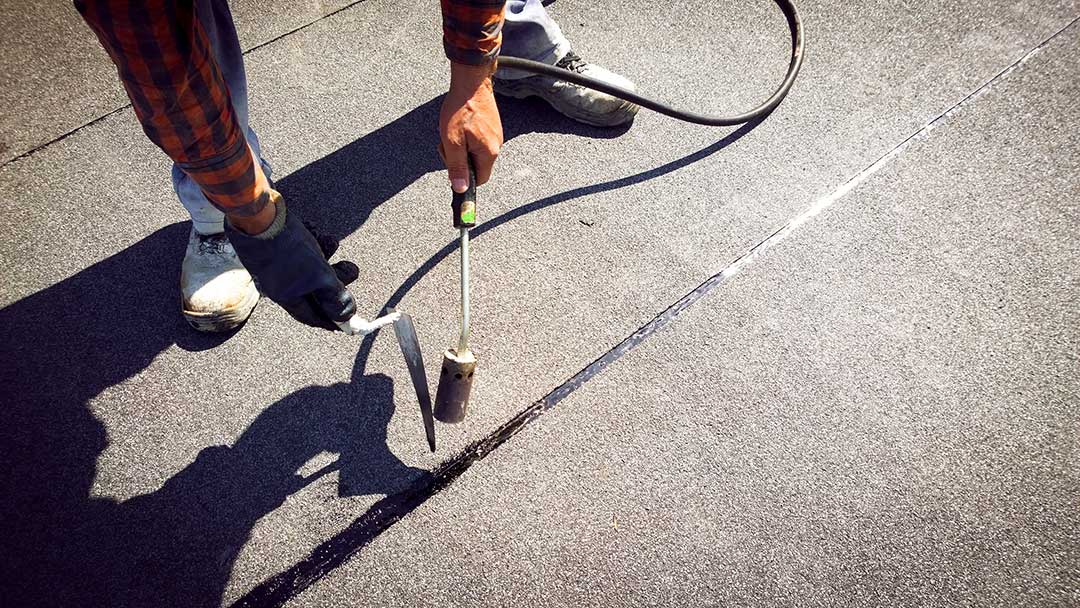
Water does not always travel straight down. It can follow rafters, roof decking, insulation, wiring, pipes, and framing until it reaches a lower point.
For example, a leak near a roof penetration may show up as a ceiling stain several feet away. A valley or flashing problem may send water toward an exterior wall. A roof leak may also be confused with condensation, plumbing leakage, or water entering around a window.
Finding the visible stain is not the same as finding the source. The area should be evaluated based on roof slope, weather direction, roof penetrations, flashing, attic conditions, and the pattern of moisture damage.
What should residents look for in an attic?
An attic inspection can reveal damage before it becomes obvious in finished rooms, but it should only be attempted when the space can be entered safely.
Useful warning signs include:
- Darkened or damp roof decking
- Water marks on rafters or trusses
- Compressed, wet, or displaced insulation
- Rusted nails or metal connectors
- Daylight visible through roof openings
- Musty odors
- Mold-like spotting
- Sagging or warped wood
- Damp areas that appear after rain or snow
Attic access may involve tight spaces, exposed nails, unstable surfaces, electrical wiring, and inadequate ventilation. Walking on drywall ceilings or insulation can cause injury or property damage, so caution is necessary.
When is a roof leak a structural safety concern?
A leak deserves prompt attention when there is visible sagging, a ceiling bulge, significant water accumulation, extensive wood deterioration, strong electrical involvement, or evidence that the roof structure has shifted.
Leave areas with sagging ceilings or active electrical hazards until they can be assessed safely. Water near light fixtures, outlets, wiring, or electrical panels increases the risk of shock and fire. Heavy snow, unusual roof movement, or cracking around ceiling and wall joints may indicate that the issue is more than a minor interior repair.
Small stains should not be ignored simply because the ceiling has not collapsed. Early moisture damage is generally easier to understand and limit than concealed deterioration that has continued through several storms or seasons.
How can roof-related structural damage be reduced?
The most useful step is to identify and stop the source of moisture before repairing interior finishes. Painting over a stain or replacing a section of drywall without addressing the roof opening may hide the problem while damage continues above it.
After a leak, wet materials should be allowed to dry thoroughly when practical and safe. Insulation, drywall, and other porous materials may need closer evaluation if they remain wet, show extensive contamination, or have begun to deteriorate.
Seasonal observation is especially useful in Greene, where roofs must handle rain, snow, wind, and repeated temperature changes. Looking for loose or missing roofing materials, damaged flashing, blocked drainage paths, attic moisture, and new interior stains can help reveal developing problems before they reach major structural components.
