
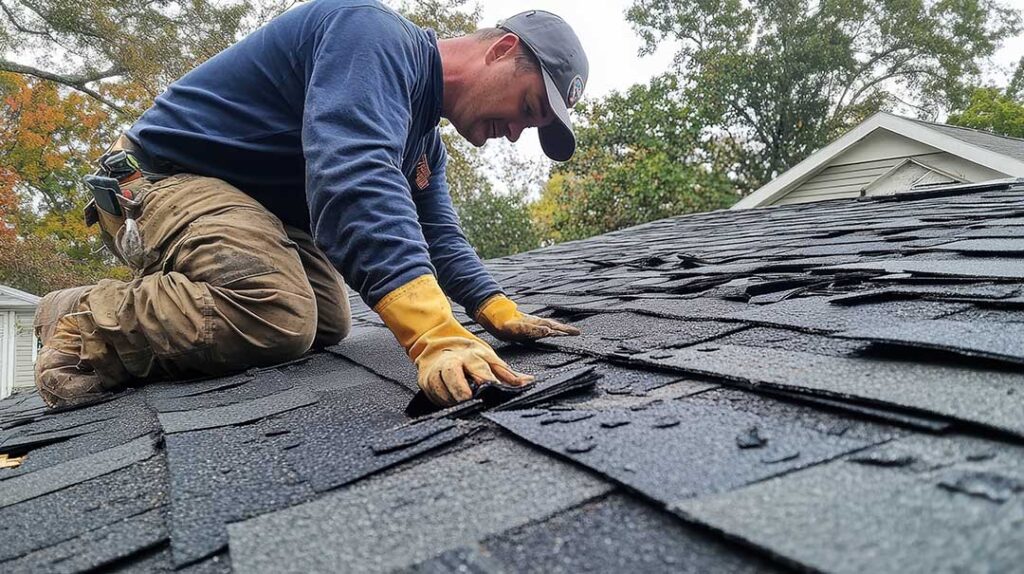
Why do building codes matter for a roof in Greene, NY?
Building codes establish minimum safety requirements for roof design, installation, repair, and alteration. In Greene, NY, those requirements are shaped primarily by the New York State Uniform Code and administered through the local code-enforcement authority.
A roof is more than an exterior covering. It is part of the building’s structural system and must manage snow, wind, rain, ice, moisture, fire exposure, ventilation, and drainage. Code requirements help ensure that these systems work together rather than treating roofing as a cosmetic layer.
Building codes also create a consistent standard for work that may otherwise be difficult for a property owner to evaluate. A roof can look finished from the ground while still having inadequate fastening, missing ice-barrier protection, insufficient flashing, unsafe structural loading, or poor ventilation.
Which building codes apply to roofing work?
New York’s Uniform Code applies throughout the state except within New York City. It includes separate provisions for residential buildings, larger or more complex buildings, existing structures, fire safety, property maintenance, and energy conservation.
As of December 31, 2025, the 2025 editions of the New York State Uniform Code and Energy Code became effective for regulated work. The applicable code depends on the type of building and the scope of the project.
For a typical one- or two-family home, the Residential Code may apply. Larger residential buildings, commercial structures, and buildings with more complex occupancy classifications may fall under the Building Code. Alterations to older buildings may also involve the Existing Building Code.
The local code-enforcement office determines which requirements apply to a particular project. That decision can depend on the building’s use, construction type, age, roof design, property conditions, and whether the work is a repair, replacement, alteration, addition, or change in use.
Does replacing a roof require a permit?
A permit may be required for roof replacement, structural repairs, alterations, or work that changes the roof assembly. Permit requirements can vary according to the local municipality and the specific work being performed.
Replacing a few damaged shingles may be treated differently from removing an entire roof covering, replacing roof decking, changing the roof slope, installing new insulation, adding skylights, or modifying rafters and trusses. A reroofing project may also require review if the work changes structural loads, drainage, fire resistance, or the building envelope.
Before work begins, property owners should ask the local code-enforcement office:
- Whether a permit is required
- Which code edition applies to the project
- What documents or drawings must be submitted
- Whether inspections are required during or after the work
- Whether the project affects insulation, ventilation, structure, or drainage
- Whether local zoning or historic-property rules also apply
A permit is not simply paperwork. It creates a record of the work and gives the code official an opportunity to verify concealed conditions before they are covered.
How do local climate conditions affect roof requirements?
Seasonal conditions in the Greene area make snow, ice, freeze-thaw cycles, wind, and heavy rain important considerations. Roof codes account for these forces through requirements involving structural capacity, weather protection, flashing, drainage, and installation methods.
Snow load is especially significant. The amount of snow a roof must be designed to support is not based only on the depth of snow visible on the roof. Its weight changes with moisture content, melting and refreezing, drifting, roof slope, nearby roof sections, and obstructions such as taller additions or parapets.
A roof replacement can also affect snow behavior. Changing the slope, insulation, roof geometry, or adjacent structures may change where snow accumulates. New roofing materials can add weight as well. Under the Existing Building Code, alterations that increase design dead, live, or snow loads by more than five percent may require structural elements to be reinforced or replaced as needed.
That does not mean every reroofing project requires a structural redesign. It does mean that changes affecting weight, snow drift, or load distribution should not be treated as purely surface-level work.
What do codes require for ice dams and roof moisture?
Roofing codes generally require protection against water that can enter at vulnerable roof edges and penetrations. In cold climates, this commonly includes ice-barrier protection near eaves and other locations identified by the applicable code.
An ice barrier is not a substitute for proper attic ventilation or insulation. Ice dams often develop when heat escapes into the attic, warms the roof surface unevenly, melts snow, and allows water to refreeze near colder eaves. A compliant roof assembly must be considered as a system that includes:
- Roof covering
- Underlayment and ice-barrier protection
- Flashing at walls, valleys, chimneys, and penetrations
- Attic insulation
- Intake and exhaust ventilation
- Properly sealed air pathways
- Gutters and roof drainage
Improving only one part of this system may not solve the underlying problem. For example, adding more attic insulation without maintaining appropriate ventilation can create moisture issues if air movement and air sealing are not properly addressed.
Can a new roof be installed over the old one?
Sometimes, but not in every situation. Code provisions may allow a roof recover, meaning a new roof covering is installed over an existing one, when the existing roof is suitable and other conditions are met.
A roof recover is generally not appropriate when the existing covering is water-soaked, badly deteriorated, composed of materials that cannot safely support another layer, or already has multiple roof coverings. Certain tile and other specialized materials may have separate requirements.
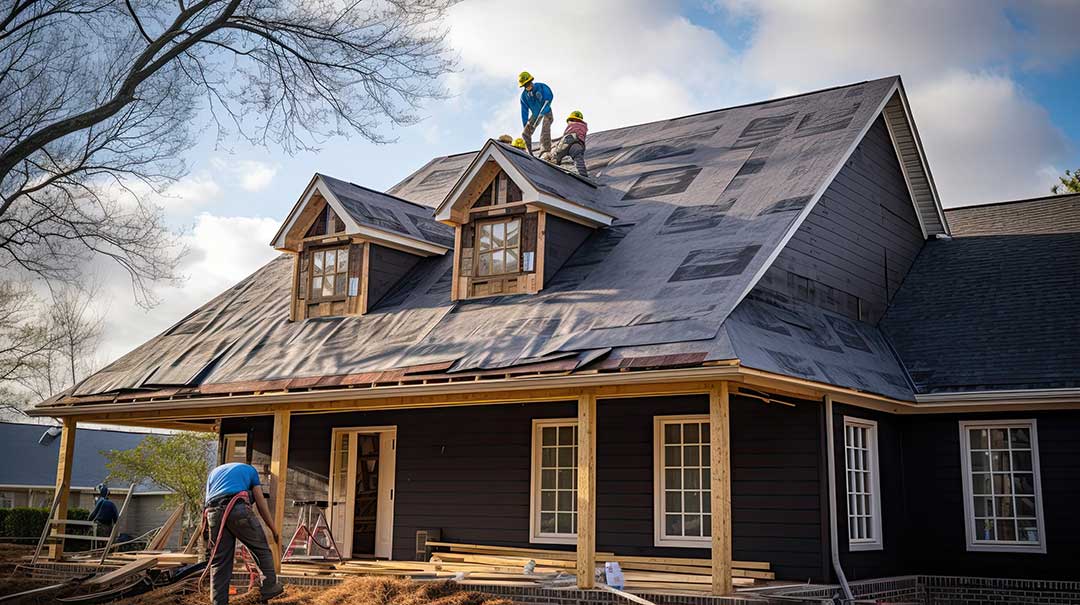
Removing roofing down to the deck can reveal problems that would otherwise remain hidden, including rotten sheathing, damaged rafters, inadequate fasteners, old flashing, and areas where moisture has entered around chimneys or roof penetrations.
The question is not simply whether another layer can physically be installed. The existing roof must be capable of serving as a proper base, and the completed assembly must meet current requirements for installation, drainage, flashing, and structural safety.
Why are flashing and ventilation code concerns?
Flashing directs water away from vulnerable joints. It is commonly required around chimneys, plumbing penetrations, skylights, roof-to-wall intersections, valleys, edges, and changes in roof plane.
Many serious leaks begin at these details rather than in the middle of an otherwise intact roof. Reusing rusted, bent, cracked, or deteriorated flashing can undermine a new roof covering.
Ventilation and insulation requirements address more than comfort. They help control attic temperature, condensation, moisture accumulation, and premature deterioration of roof materials. Poor ventilation can contribute to mold, damp insulation, wood decay, and recurring ice-dam formation.
A roof that meets code is not necessarily maintenance-free, but correct detailing reduces the likelihood that ordinary seasonal conditions will become structural or moisture problems.
What is the difference between building code and manufacturer instructions?
Building codes establish minimum legal requirements. Manufacturer instructions describe how a particular roofing material must be installed for that product to perform properly and, often, to remain eligible for its limited warranty.
Both matter. The code may require a certain type of underlayment, flashing, fastening, ventilation, or fire classification. The product instructions may specify exposure limits, nail placement, temperature restrictions, compatible materials, or installation over an approved deck.
If the instructions and code appear to conflict, the work should not simply follow whichever option is easier. The applicable code official or qualified design authority may need to clarify which requirement controls.
What should property owners document?
Keeping records can be useful during future repairs, insurance questions, property sales, or disputes about concealed work. Useful documents include:
- Permit applications and approvals
- Inspection results
- Photos taken before materials cover the roof deck
- Structural repair details
- Product information and installation instructions
- Dates of repairs and roof replacement
- Notes about leaks, ice dams, or recurring moisture
Code compliance does not guarantee that a roof will last a particular number of years. It does provide a documented baseline for safety and construction quality, which is especially valuable when a roof has been altered several times or when the original construction is difficult to verify.
What should residents check before starting roofing work?
The safest first step is to confirm requirements with the local code-enforcement office before removing materials or ordering a roof system. Ask about permits, inspections, applicable code editions, and whether the proposed work changes the structure or energy performance of the building.
For hazardous conditions—such as sagging roof sections, exposed electrical components, active structural movement, or unstable snow and ice—people should keep clear of the area and obtain appropriate safety assistance. Roof work involving structural damage, steep slopes, concealed decay, or uncertain load capacity may require qualified evaluation to protect occupants and workers.
Understanding the code before work begins helps prevent avoidable delays, concealed defects, and repairs that must later be opened or redone.
