

Roof damage does not stop during a pandemic, severe storm, extended power outage, or other emergency. A leaking roof can quickly damage insulation, ceilings, electrical systems, and personal belongings. The safest approach is to separate urgent protection from nonessential repair work, reduce unnecessary indoor contact, and account for weather and material delays.
How can a homeowner tell whether a roof problem is an emergency?
A roof problem is generally urgent when it allows active water entry, creates a safety hazard, or could cause additional structural damage if left untreated.
Examples include:
- Water entering through the ceiling or running down walls
- A large section of missing or badly damaged roofing
- A sagging roof surface or ceiling
- A fallen tree or major limb resting on the roof
- Exposed electrical wiring near a leak
- Loose materials that could fall onto people, vehicles, or walkways
- Damage around a chimney, vent, skylight, or roof edge that is allowing water inside
A few missing shingles, minor surface wear, or an old discoloration that is not currently wet may be less urgent. These conditions still deserve documentation and monitoring, but they may be safely assessed later if weather remains stable.
Do not climb onto a wet, icy, snow-covered, steep, or visibly unstable roof. Roof surfaces can be dangerous even when damage appears minor. Interior precautions, ground-level photographs, and temporary protection from a safe location are usually better first steps.
What should happen first after discovering a leak?
The first priority is to limit interior damage without creating another hazard. Place containers under active drips, move furniture and valuables away from the affected area, and protect floors with towels or plastic sheeting. If water is near a light fixture, outlet, appliance, or electrical panel, avoid touching the area and use the main electrical shutoff only if it can be reached safely.
Photograph or record:
- The room where water is appearing
- Ceiling stains, bubbling paint, or damaged drywall
- Visible exterior damage from the ground
- Fallen branches, damaged flashing, or missing roofing
- The date and approximate time the problem was noticed
A roof leak may appear far from the actual point of entry because water can travel along rafters, insulation, and ceiling materials. A stain in one room does not necessarily identify the damaged roof section above it.
Temporary coverings may help during a crisis, but they must be installed safely and securely. Loose tarps, improvised ladders, and makeshift repairs can worsen damage or injure someone. Temporary measures should not block attic ventilation, cover active electrical hazards, or trap large amounts of water inside the building.
How can roof repairs be handled while reducing COVID-19 or respiratory-virus exposure?
Most roof work takes place outdoors, which can reduce indoor exposure, but roof repairs often require brief conversations, attic access, interior inspection, paperwork, or cleanup. A simple work plan can reduce close contact.
Before anyone enters the home, discuss:
- Whether anyone in the household is sick, recently exposed, or medically vulnerable
- Which rooms or pathways must be accessed
- Whether the inspection can begin outdoors
- Whether communication can occur by phone or text
- Whether shoes, tools, and protective materials will remain in designated areas
If someone in the household has respiratory symptoms, it is sensible to postpone nonurgent indoor access when possible. For an active leak, inform the people performing the work before arrival so the repair can be planned around the affected household member.
During indoor contact, additional precautions may include well-fitting masks, open windows when weather permits, increased distance, and limiting the number of people inside. Cleaner air and ventilation can reduce the concentration of respiratory particles, although ventilation does not eliminate risk. People who are sick should stay away from others as much as practical and follow current public-health guidance.
Roofing materials, ladders, tools, and debris should remain outside or in a controlled area whenever possible. Homeowners do not need to supervise every step in person. A phone call, video conversation, photographs, or written notes may provide enough information for many routine decisions.
Should nonessential repairs be delayed?
Nonessential repairs may be delayed if the roof is watertight, stable, and not creating a safety concern. Delaying work can be reasonable during a period of illness, restricted movement, severe weather, or limited access to materials.
However, postponement becomes risky when a small defect can develop into a larger failure. Water entering through a flashing joint, roof penetration, or damaged valley can spread into insulation and framing. Repeated wetting can also contribute to mold growth and deterioration of interior finishes.
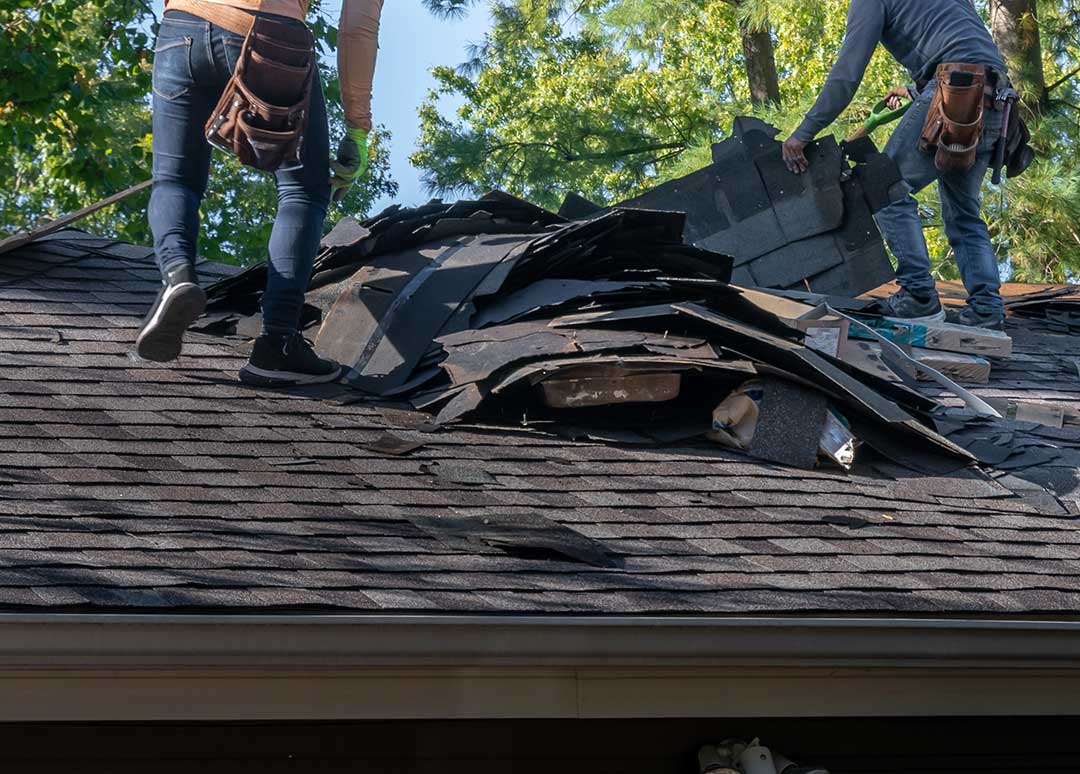
A practical approach is to divide the work into three categories:
- Immediate protection: stopping active water entry or removing a clear hazard
- Short-term stabilization: securing loose materials and preventing additional damage
- Planned maintenance: replacing worn roofing, improving ventilation, repainting, or correcting cosmetic issues
This staged approach can make a repair manageable without treating every roof concern as an emergency.
What local weather factors matter in Greene?
Greene experiences conditions that can make roof problems change quickly. Freeze-thaw cycles can enlarge small openings, strong winds can loosen shingles and flashing, and winter snow or ice can hide damage from view. Heavy rain may expose weaknesses around chimneys, vents, roof edges, and areas where different roofing surfaces meet.
A roof that appears dry during a brief inspection may still have trapped moisture beneath shingles or inside insulation. After a storm, check the attic from a safe location for damp sheathing, wet insulation, daylight through the roof, or unusual dripping. Do not disturb suspected mold or heavily damaged materials unnecessarily.
Snow and ice should not be removed from a roof by an inexperienced person. Improper shoveling or chopping can damage shingles and create falling-ice hazards. Ice dams may also cause water to back up beneath roofing materials, especially when attic insulation and ventilation are inadequate.
What questions should be answered before work begins?
Clear communication is especially useful during a crisis. Ask for a written description of the immediate problem, the temporary protection being used, and the conditions that would require additional work.
It is also helpful to clarify:
- Whether anyone needs to enter the living space, attic, or garage
- How long indoor access is expected to take
- What infection-control precautions will be used
- Where materials and debris will be placed
- How weather could affect the repair
- Whether the work is temporary, permanent, or both
- What signs indicate that the roof is no longer safely protected
Homeowners should keep records of photographs, conversations, receipts, and dates. These records may help with insurance questions, warranty discussions, or later planning.
How do insurance and emergency documentation fit in?
Insurance policies differ, so coverage should not be assumed. A homeowner can reduce confusion by documenting the condition before temporary work, preventing additional damage when safe, and keeping records of emergency expenses. Do not discard damaged materials before documenting them unless they present an immediate health or safety hazard.
A temporary repair does not necessarily resolve the underlying cause. For example, covering a damaged roof section may stop rain temporarily while leaving wet insulation, damaged flashing, or structural concerns unaddressed. Interior drying and follow-up inspection may still be necessary.
During any crisis, the goal is not to complete every roofing project immediately. The goal is to protect people, limit water and structural damage, reduce avoidable exposure, and make careful decisions about what must happen now and what can wait.
