
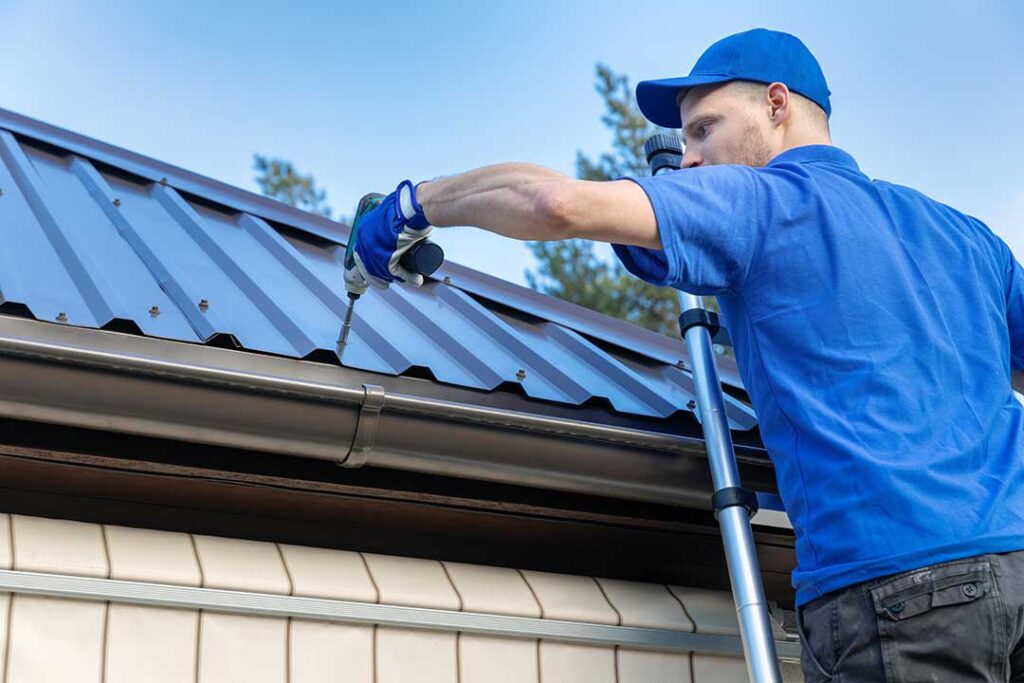
Why a minor roof problem can become a major repair
A small roof defect rarely stays limited to the roof. Missing shingles, cracked flashing, loose pipe boots, blocked drainage, and exposed fasteners can allow water to enter slowly, often without producing an obvious ceiling stain at first.
In Greene, NY, seasonal weather can make these problems worse. Snow, ice, wind, repeated freezing and thawing, and heavy rain all place stress on roof coverings and the areas where the roof meets chimneys, walls, vents, and skylights. A leak that seems inactive during a dry week may reopen during the next storm or thaw.
The true cost of ignoring roof trouble includes more than the eventual roof repair. It can involve damaged insulation, ceilings, framing, electrical components, flooring, personal belongings, and indoor air quality.
What happens inside a house after a roof leak?
Water often travels farther than expected before becoming visible. It may move along roof decking, rafters, insulation, drywall, or wiring. The first visible sign could appear several feet away from the original entry point.
Common early signs include:
- Brown or yellow ceiling marks
- Peeling paint or bubbling drywall
- Damp insulation in an attic
- Musty odors
- Darkened roof sheathing
- Drips around light fixtures or ceiling fans
- Warped trim or flooring
- Damp areas that appear only after rain
A dry ceiling does not always mean the problem has ended. Materials can absorb water and release it gradually. In some cases, the leak is intermittent because it depends on wind direction, snow melt, ice buildup, or the amount of rainfall.
How can delayed repairs damage the roof structure?
Roof coverings are designed to shed water, not remain wet underneath. Once moisture reaches roof decking or framing, wood can swell, soften, split, or begin to decay. Over time, the affected area may lose strength.
Structural damage may develop around:
- Valleys where two roof sections meet
- Eaves and overhangs
- Areas beneath damaged flashing
- Roof penetrations for vents and chimneys
- Locations with recurring ice buildup
- Low-slope sections where water drains slowly
A small opening can also permit wind-driven rain beneath otherwise intact shingles. As the underlying materials deteriorate, the repair may shift from replacing a few exterior components to rebuilding sections of the roof deck or framing.
The roof does not need to collapse for structural damage to matter. Sagging sheathing, soft decking, separated materials, or visible deflection are warning signs that should be treated as safety concerns. Anyone inspecting a questionable roof should avoid walking on it, especially when it is wet, icy, snow-covered, or visibly sagging.
Does a roof leak cause mold?
Moisture creates conditions that can support mold growth, especially in dark, poorly ventilated areas such as attics, wall cavities, and insulation. Mold does not require a dramatic flood. Repeated dampness from a slow leak can be enough.
The risk increases when wet materials remain undiscovered. Porous materials such as drywall, carpet padding, insulation, and some wood products can retain moisture even after the surface appears dry.
Possible signs of a moisture-related indoor problem include:
- Persistent musty smells
- New discoloration on walls or ceilings
- Allergy or irritation symptoms that worsen in a particular room
- Damp insulation or compressed insulation in the attic
- Visible growth on sheathing or other surfaces
Cleaning the visible area without finding and stopping the water source may only provide a temporary improvement. Wet building materials may require careful drying, removal, or replacement depending on their condition and the extent of contamination.
Why are winter roof problems especially serious in this region?
Cold-weather cycles can expose weaknesses that are less noticeable in mild weather. Water enters small cracks, freezes, expands, and then contracts as temperatures change. This repeated movement can loosen flashing, split sealants, and enlarge existing gaps.
Snow and ice can create additional stress. Snow accumulation adds weight, while ice buildup near eaves can interfere with drainage and allow water to move beneath roof coverings. Older buildings may also have roof assemblies, ventilation patterns, or past repairs that do not perform as well under current weather conditions.
Roof snow should not be removed casually. Climbing onto a snow-covered roof creates fall and structural hazards, and using improper tools can damage shingles or membranes. Heavy accumulation, unusual sagging, cracking sounds, or doors and windows that suddenly bind can justify immediate attention because they may indicate excessive structural movement.
Can ignoring a roof problem increase energy costs?
Yes. A roof leak can reduce the effectiveness of attic insulation, and wet insulation generally performs poorly. Air leaks around roof penetrations can also allow heated air to escape into the attic.
Poor attic ventilation and air sealing may contribute to:
- Higher heating demand
- Uneven indoor temperatures
- Frost or condensation in the attic
- Premature deterioration of roof materials
- Ice buildup at roof edges
Not every high heating bill is caused by the roof. Windows, heating equipment, ductwork, insulation levels, and air leakage elsewhere can also be factors. However, unexplained cold areas near ceilings, recurring attic frost, or damp insulation deserve investigation.
What roof warning signs should not be postponed?
Some symptoms call for prompt action rather than routine observation:
- Active water entering living areas
- Water near electrical fixtures or wiring
- A ceiling that is bulging or sagging
- Missing or extensively displaced shingles
- Exposed roof decking
- Large areas of moss or organic debris holding moisture
- Visible daylight through the roof from inside the attic
- Strong musty odors following a leak
- Sagging roof lines
- Damage after high winds, heavy snow, or falling branches
If water is near electrical equipment, avoid touching wet fixtures or standing in water. Turn off power only if it can be done safely, and use emergency assistance when necessary. A bulging ceiling should not be punctured without understanding where the water and electrical hazards may be located.
What is the financial cost of waiting?
The cost varies widely, but the pattern is consistent: delayed repairs often add secondary damage. A problem that initially involves a roof covering or flashing may later involve roof decking, insulation, drywall, paint, flooring, cabinets, furniture, or mold-related work.
Insurance coverage also depends on the policy, the cause of damage, and whether the condition is considered sudden, accidental, gradual, or related to deferred maintenance. Keeping dated photographs and written notes about visible damage can help document what was observed and when.
Routine observation is not the same as ignoring a problem. A practical approach is to inspect the attic after major weather, look for new interior stains, keep gutters and drainage paths clear, and track recurring trouble spots. Roof inspections should be performed from the ground or attic when conditions are unsafe.
For households in Greene, seasonal roof care is less about reacting to one dramatic leak and more about noticing small changes before moisture, freezing weather, and time turn them into a larger building problem.
