
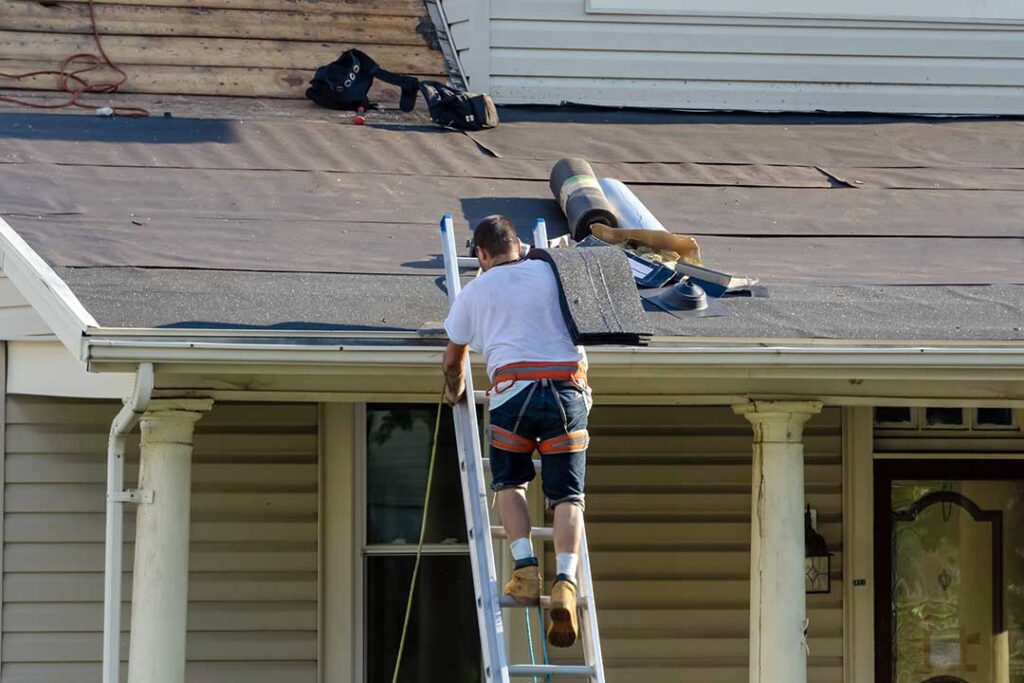
Roofing technology has advanced beyond simply choosing between asphalt shingles and metal panels. New materials, sensors, ventilation systems, installation methods, and energy-saving designs are changing how roofs handle rain, snow, wind, heat, and long-term wear.
For households in Greene, NY, the most useful innovations are those that address practical concerns: freeze-thaw cycles, ice buildup, summer heat, storm damage, attic moisture, and the difficulty of detecting small problems before they become expensive repairs.
Which roofing materials are becoming more advanced?
Modern roofing materials are designed to improve durability, energy performance, weather resistance, or maintenance needs. The most suitable choice depends on the roof’s slope, structure, ventilation, budget, and exposure to local weather.
Common technology improvements include:
- Asphalt shingles with stronger reinforcement, improved impact resistance, and more consistent weathering
- Metal roofing systems with concealed fasteners, protective coatings, and detailed flashing components
- Synthetic slate and composite roofing products that imitate heavier traditional materials while reducing structural load
- Reflective roofing surfaces that reduce heat absorption during sunny weather
- Solar-integrated roofing products that combine electricity generation with the roof system itself
Material labels can be misleading, however. A product described as “high performance” may still perform poorly if it is installed over damp decking, lacks proper ventilation, or has weak flashing around chimneys and roof penetrations.
The roof assembly matters as much as the surface material. Underlayment, edge metal, ventilation, insulation, fasteners, and drainage details all contribute to the finished system.
Are solar shingles different from traditional rooftop solar panels?
Yes. Solar shingles or solar tiles are designed to function as both roofing material and electricity-generating equipment. Traditional solar panels are separate units mounted above the roof covering.
Solar-integrated roofing can provide a more uniform appearance, but it may be more complex to repair because the roofing and electrical systems are connected. Replacement decisions may also be affected by wiring, inverters, roof age, and the condition of the supporting structure.
Traditional panels can be easier to remove when roofing work is needed, while solar shingles may be useful where appearance, roof design, or new construction is a priority. Neither option eliminates the need to evaluate roof orientation, shading, snow accumulation, electrical safety, and the remaining service life of the roof.
For an older roof, adding solar equipment without considering future roof replacement can create avoidable complications.
How are new roofing systems improving energy efficiency?
Energy-efficient roofing is not limited to a light-colored surface. A roof’s energy performance depends on the interaction between the roof covering, attic insulation, air sealing, and ventilation.
A well-designed system can help:
- Reduce heat entering the attic during summer
- Limit heat loss through the roof during winter
- Reduce moisture accumulation caused by temperature differences
- Improve indoor comfort near upper-level ceilings
- Reduce stress on heating and cooling equipment
Reflective materials can be useful during hot weather, but they are only one part of the solution. In a cold-weather climate, excessive attic heat loss can contribute to uneven roof temperatures and ice formation along eaves. Proper insulation and air sealing help keep indoor heat from escaping into the attic, while balanced ventilation helps manage moisture and temperature.
Ventilation should not be treated as simply adding more openings. Intake and exhaust openings need to work together. Poorly planned ventilation can allow wind-driven rain, snow, or outside air to enter areas that were intended to remain protected.
Can technology detect roof leaks before they become visible?
Some newer systems use moisture sensors, temperature monitoring, or connected building-management equipment to identify unusual conditions. These tools may be useful in larger buildings, flat-roof assemblies, or properties where a leak could damage valuable equipment.
For most homes, early leak detection still depends on basic observation. Warning signs include:
- Brown or yellow ceiling stains
- Damp insulation
- Peeling paint near upper walls
- Musty attic odors
- Rusted fasteners or metal components
- Daylight visible through roof decking
- Repeated ice buildup in the same roof area
A sensor can indicate that moisture is present, but it may not identify the source. Water can travel along rafters, insulation, or roof decking before appearing inside the building. A visible stain does not always line up with the exterior location of the leak.
Technology is most helpful when combined with regular inspection of vulnerable areas such as valleys, roof edges, flashing, skylights, chimneys, and plumbing vent penetrations.
What roofing innovations help with snow and ice?
Cold-weather roofing improvements focus on water management rather than simply making the roof stronger. Snow itself may not cause a leak, but melting snow can refreeze at colder roof edges and interfere with drainage.
Useful design features may include:
- Continuous underlayment in areas vulnerable to ice backup
- Better flashing around walls, chimneys, and roof intersections
- Adequate attic insulation and air sealing
- Properly placed ventilation
- Strong roof-edge and gutter details
- Materials and fasteners suited to repeated freezing and thawing
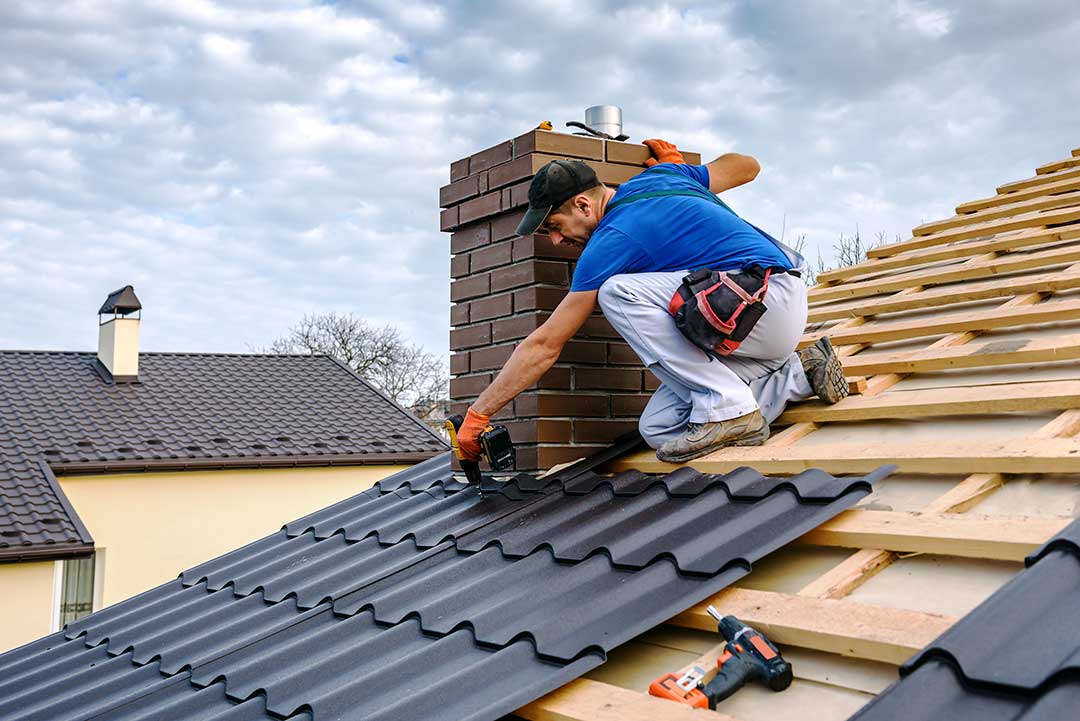
Heated cables are sometimes used in problem areas, but they are not a substitute for correcting heat loss, poor drainage, or inadequate flashing. They can also create maintenance and electrical concerns if installed incorrectly.
Snow guards may help control sliding snow on some metal roofs, especially above walkways or entrances. They must be selected and placed according to the roof design because concentrated snow loads can create new stresses.
Are “cool roofs” useful in a northern climate?
Cool-roof materials reflect more sunlight and release absorbed heat more effectively than darker, less reflective surfaces. They can reduce roof temperatures during summer, particularly on low-slope roofs or buildings with limited attic insulation.
Their benefits may be less noticeable in homes where the attic is already well insulated and ventilated. In a northern climate, the priority is usually balanced performance: preventing summer overheating without allowing winter heat loss or moisture problems.
A roof should not be selected based on color alone. The roof slope, attic design, insulation level, snow exposure, and surrounding tree cover can have a greater effect on actual performance.
What role does digital measurement play in roofing?
Roofing measurements are increasingly supported by aerial imaging, digital mapping, and software that estimates roof areas, slopes, valleys, and penetrations. These tools can reduce measurement errors and limit the need for walking on steep or fragile roofs.
Digital tools are helpful for planning, but they are not a complete condition assessment. Aerial measurements generally cannot show:
- Soft or rotted decking
- Loose flashing
- Hidden moisture
- Damaged underlayment
- Poor attic ventilation
- Fastener failure
- Interior signs of leakage
A roof can look orderly from above while having serious problems at its edges or beneath the surface. Physical observation remains necessary when safety permits.
What should Greene, NY residents look for in a modern roof system?
The most valuable innovation is often a better-coordinated roof assembly rather than a single advanced product. A practical evaluation should consider:
- Whether the roof covering suits the slope and exposure
- How water is directed away from walls and foundations
- Whether attic insulation and ventilation are balanced
- Whether flashing is durable and properly integrated
- How the system will handle snow, ice, wind, and temperature swings
- Whether future repairs can be completed without replacing unaffected components
- Whether local building requirements apply to the planned work
New technology can improve performance, but it does not remove the need for sound design and careful installation. For local households, the strongest long-term results usually come from matching modern materials with dependable drainage, proper ventilation, and routine attention to small warning signs.
