
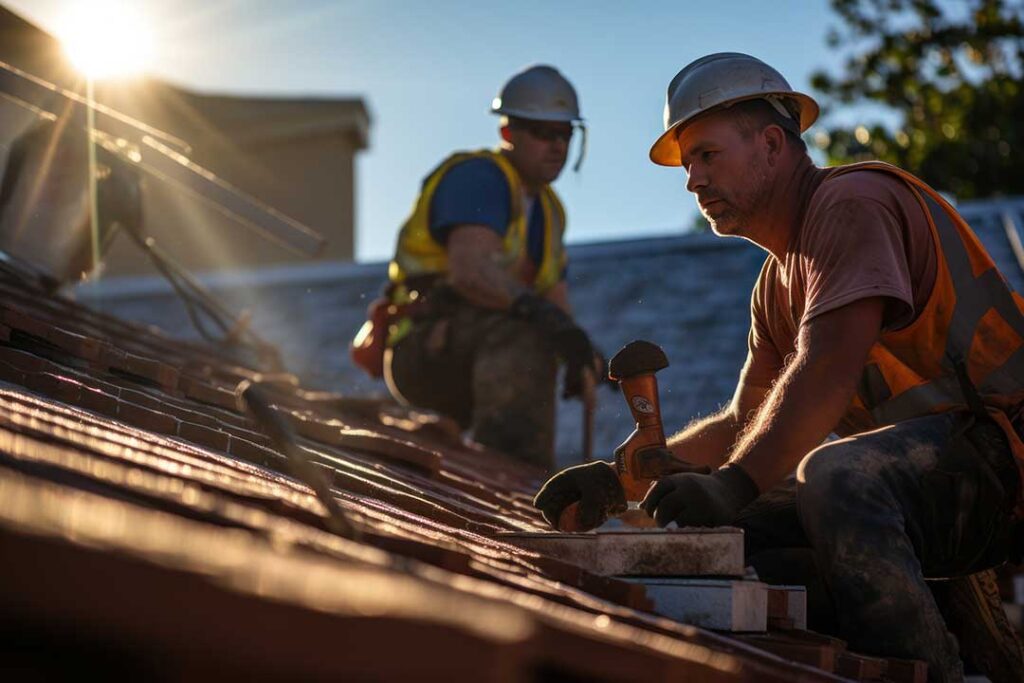
A cool roof is designed to reflect more sunlight and release absorbed heat more effectively than a conventional dark roof. That can reduce roof temperatures, limit heat entering the attic or upper floors, and improve comfort during hot weather.
For households in Greene, NY, the value of a cool roof depends on the home’s design, insulation, roof color, orientation, ventilation, and how much air conditioning is used. It can be a useful part of an energy-efficient roofing system, but it is not a substitute for proper insulation, ventilation, drainage, or sound roof construction.
What makes a roof “cool”?
A roof is considered cool when its surface reflects a significant portion of incoming solar energy and emits the heat it does absorb. These qualities are commonly described as solar reflectance and thermal emittance.
Traditional dark roofing materials can become much hotter than the surrounding air under direct summer sunlight. Lighter-colored or specially formulated roofing materials remain cooler because they reflect more solar radiation. Some products are available in colors other than white while still providing improved reflective performance.
Cool roofing may include:
- Light-colored metal roofing
- Reflective single-ply membranes on low-slope roofs
- Coatings designed for compatible roof surfaces
- Specially manufactured reflective asphalt shingles
- Certain tile, slate, or composite roofing products
The roof’s actual performance depends on the product, surface color, installation quality, exposure, and how well the rest of the building envelope controls heat flow.
How can a cool roof improve summer comfort?
A reflective roof absorbs less heat during sunny weather, so less heat is transferred through the roof deck and attic insulation. This can help reduce hot spots in upper-floor rooms and make attic-adjacent living spaces more comfortable.
The effect is usually most noticeable in homes with:
- Finished attic rooms
- Low-pitched roofs with limited attic space
- Dark roofing exposed to strong afternoon sun
- Inadequate attic insulation
- Limited mechanical cooling
- Large roof areas over occupied rooms
A cool roof does not cool a home by itself. It reduces one source of heat gain. Air sealing, insulation, shade from trees or structures, window performance, and ventilation also affect indoor temperatures.
Homes without central air conditioning may notice a comfort benefit even when there is no direct reduction in cooling-system electricity use. In homes with air conditioning, reduced heat entering the building may allow the system to run less often during peak summer conditions.
Can cool roofs lower energy bills?
They can, but savings vary widely. The strongest savings generally occur in buildings with substantial cooling demand, poor roof insulation, large sun-exposed roof areas, or dark roofing that becomes very hot.
In Greene, summer cooling is only one part of the annual energy picture. The region also experiences cold winters, so a reflective roof may allow slightly less solar warmth to enter the building during sunny winter days. That can create a small heating penalty in some homes.
The balance depends on the structure. A well-insulated home may see a modest change because insulation already limits heat transfer. A home with a poorly insulated attic may experience a more noticeable summer improvement, although upgrading insulation may provide greater year-round value than changing roof color alone.
A realistic evaluation considers:
- Cooling and heating equipment
- Electricity and fuel use
- Attic insulation levels
- Roof color and material
- Roof slope and sun exposure
- Amount of conditioned space directly below the roof
- Expected service life of the existing roof
Are cool roofs useful in a colder climate?
Yes, but their benefits are more seasonal than they are in very hot regions. A cool roof can still reduce summer heat gain, particularly during sunny stretches when upper floors become uncomfortable.
However, winter performance matters in Greene. Reflective roofing may reduce passive solar heat gain, and snow cover can temporarily eliminate the difference between a reflective and non-reflective surface. The roof still needs to handle freezing temperatures, snow, ice, wind, moisture, and repeated freeze-thaw cycles.
For this reason, roofing decisions should not focus only on reflectivity. Durability, water shedding, flashing, ventilation, insulation, and resistance to local weather conditions remain essential.
Does a cool roof last longer?
A cooler roof surface may experience less thermal expansion and contraction than a darker roof exposed to intense sunlight. Lower surface temperatures can reduce some forms of heat-related stress, especially on low-slope roofing systems and exposed roof coverings.
That does not guarantee a longer service life. Roof longevity also depends on:
- Material quality
- Installation practices
- Drainage
- Moisture exposure
- Wind and snow loading
- Debris and tree coverage
- Foot traffic
- Maintenance history
- Existing roof-deck conditions
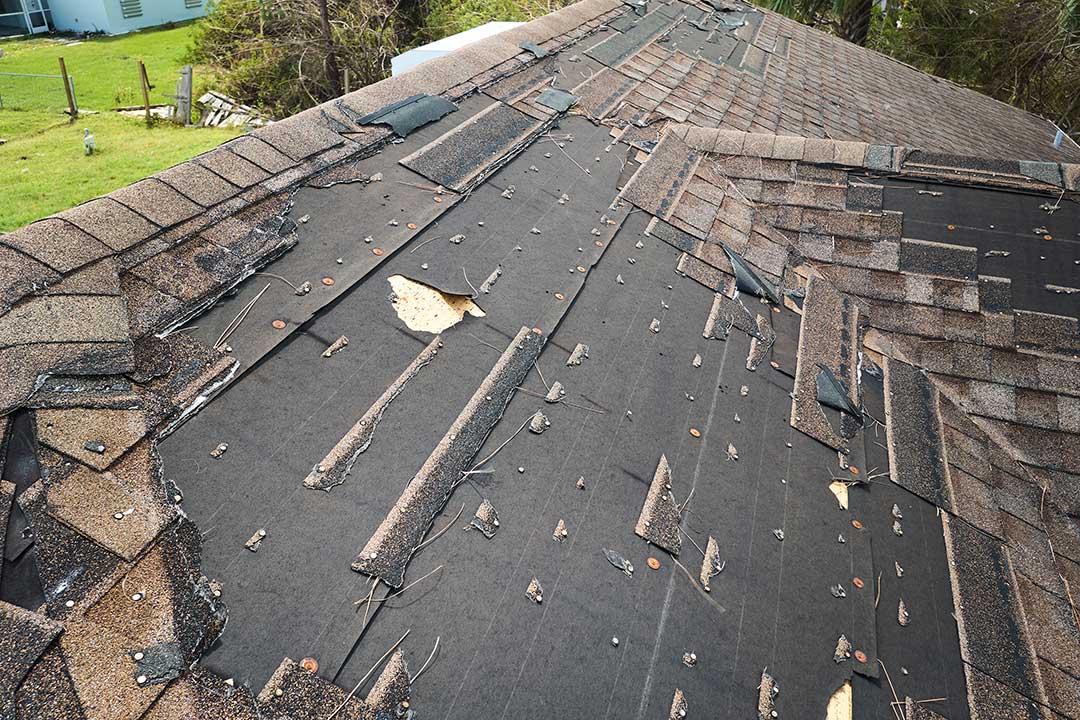
Reflective coatings can lose performance as they collect dirt, pollen, biological growth, or other debris. Some coatings also require compatibility testing and proper surface preparation. Applying a coating to a deteriorated roof does not correct leaks, rotten decking, failed flashing, or widespread material damage.
Are light-colored shingles always cool roofs?
No. A light-looking roof may reflect more sunlight than a very dark roof, but appearance alone does not establish performance. Roofing materials differ in reflectance and emittance, even when their colors seem similar.
Some modern shingles are manufactured with reflective granules that improve solar performance while preserving a traditional shingle appearance. Product specifications are more reliable than color alone.
It is also possible for a roof to have a reflective surface but still perform poorly as part of the building system if the attic lacks insulation or has significant air leakage. Roof reflectivity and thermal insulation address different forms of heat movement.
What should homeowners consider before choosing one?
The best time to consider a cool roof is often during new construction or reroofing, when the roof covering is already being replaced. Changing the roof solely for reflectivity may not make financial sense if the existing roof is in good condition and the home has little cooling demand.
Before making a decision, examine:
- Whether the roof needs replacement for age, leaks, or damage
- Whether the attic has adequate insulation and ventilation
- Whether the roof surface receives direct sunlight
- Whether the home has upper-floor overheating
- Whether the roofing material is suitable for snow, ice, and wind
- Whether a coating is compatible with the existing roof
- Whether the expected energy savings justify additional material cost
For safety reasons, roof inspections and work involving steep slopes, unstable surfaces, electrical hazards, or suspected structural damage may require qualified assistance. Homeowners should avoid walking on wet, icy, fragile, or steep roofing.
How does a cool roof compare with attic insulation?
They solve different problems. A cool roof reduces the amount of solar heat absorbed at the exterior surface. Insulation slows heat transfer between the roof or attic and the living space. Air sealing limits uncontrolled movement of heated or cooled air.
In many homes, attic insulation and air sealing provide more consistent year-round benefits because they help in both summer and winter. A reflective roof can complement those improvements, but it should not be treated as a replacement for a properly insulated and ventilated roof assembly.
For area households planning a roof replacement, the most durable approach is to consider the entire system: roof covering, underlayment, flashing, ventilation, insulation, air sealing, and drainage. A cool roof may be a practical component of that system when its seasonal benefits match the home’s needs.
