
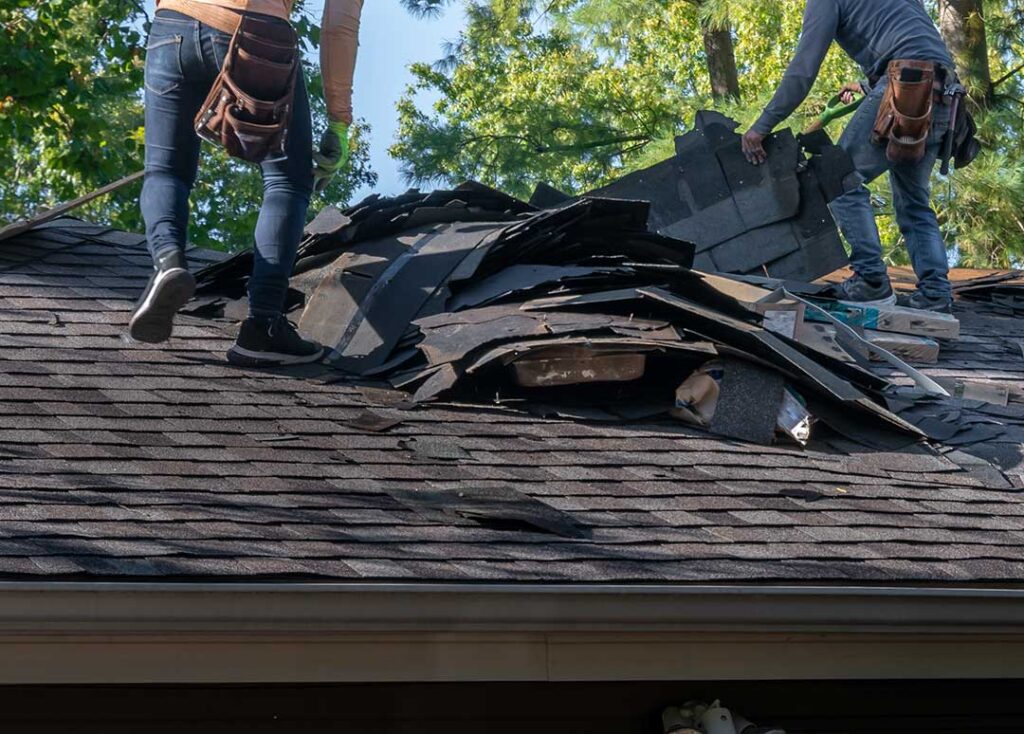
Why should Greene, NY homeowners prepare for hurricane season?
Hurricane season officially runs from June 1 through November 30, but preparation should begin before the first significant storm forecast. Residents in inland communities may not face a direct coastal landfall, yet tropical systems can still bring damaging wind, heavy rain, fallen trees, power outages, and sudden flooding.
For a roof, the main concerns are loose materials, blocked drainage, weak flashing, exposed roof edges, and water entering through small defects that worsen under wind-driven rain. A roof that appears sound from the ground may still have vulnerable areas around chimneys, vents, skylights, valleys, and gutters.
Preparation is most useful when completed during dry, mild weather rather than while a storm is approaching.
What should be checked on the roof before hurricane season?
Begin with a ground-level inspection and look for changes since the previous season. Binoculars can help identify problems without requiring anyone to climb onto the roof.
Look for:
- Missing, cracked, curled, or lifted shingles
- Dark areas that may indicate prolonged moisture
- Exposed underlayment or roof sheathing
- Loose metal around chimneys, vents, and roof edges
- Damaged ridge caps or loose sections along hips
- Sagging areas on the roof surface
- Moss or debris holding moisture against roofing materials
- Daylight visible through the attic roof deck
Do not walk on a steep, wet, damaged, or unfamiliar roof. Slippery surfaces, unstable shingles, and hidden structural damage create fall hazards. A roof inspection involving ladders or roof access may require someone with the proper equipment and experience, especially after previous storm damage.
Are gutters and downspouts part of hurricane preparation?
Yes. Gutters and downspouts are part of the roof drainage system, and they should be cleaned and secured before heavy rain arrives.
Remove leaves, twigs, sediment, and roof granules that may restrict water flow. Check that gutters are firmly attached and that downspouts discharge water away from the foundation. Extensions should remain connected and should not empty directly beside basement walls, window wells, or areas where water already collects.
During a tropical storm, a blocked gutter can overflow against fascia boards, siding, doors, and foundations. Water may also back up beneath roof edges or enter through poorly protected eaves.
In areas with mature trees and seasonal leaf fall, drainage can become restricted quickly. A second check may be worthwhile after a period of strong wind, especially if branches or roof debris are visible in the yard.
Which roof areas are most vulnerable to wind-driven rain?
Wind does not need to remove an entire roof to cause interior damage. It can lift a loose shingle edge, force rain beneath flashing, or push water through a small opening around a vent.
Pay particular attention to:
Roof edges and corners
Wind pressure is often greater along roof edges and corners. Loose shingles, deteriorated drip edges, and weak fascia connections can allow wind to get beneath the roof covering.
Flashing
Flashing directs water away from joints and penetrations. Inspect the areas around chimneys, plumbing vents, wall intersections, skylights, and roof valleys for rust, separation, gaps, or cracked sealant.
Sealant alone is not a permanent repair for damaged or improperly installed flashing. A bead of caulk may temporarily hide a problem while allowing water to continue entering beneath the surface.
Ridge caps and vent openings
Ridge caps and roof vents must remain securely attached and properly integrated with the surrounding roofing materials. Loose caps can become entry points for rain or airborne debris.
Valleys
Roof valleys carry concentrated water during heavy rain. Leaves, pine needles, and small branches can create dams, while damaged valley materials may allow water beneath the roof covering.
What should be done in the attic?
An attic inspection can reveal problems that are not visible from outside. Use a flashlight and look for:
- Water stains or brown discoloration on the underside of the roof deck
- Damp insulation
- Mold-like growth or persistent musty odors
- Rust around nails or metal fasteners
- Daylight entering through the roof
- Sagging sheathing
- Wet areas near chimneys, vents, or valleys
Check the attic after a heavy rain as well as before the season. Some leaks only appear when rain is driven sideways by strong wind.
Avoid disturbing insulation or walking between ceiling joists unless the attic has a safe, stable floor. Stepping through the ceiling can cause serious injury and damage.
Should trees and outdoor objects be included in roof preparation?
Yes. Roof protection includes reducing the chance that nearby objects will strike the house.
Trim dead, broken, or visibly weakened branches that overhang the roof, especially those close to chimneys, dormers, or utility connections. Tree work can be hazardous near electrical lines or large unstable limbs and may require specialized equipment.
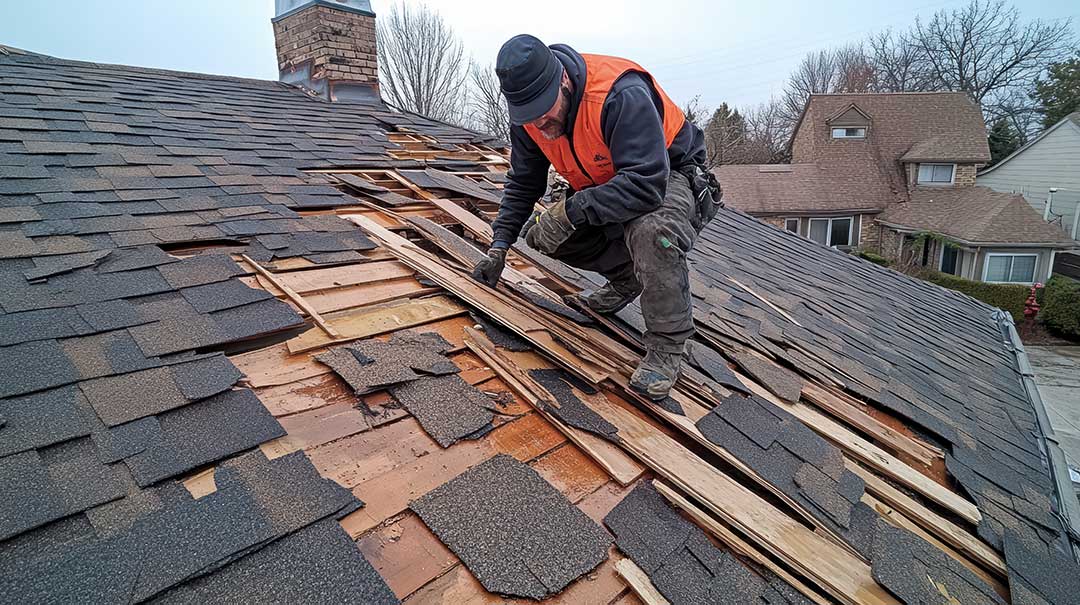
Before a storm, secure or move objects that could become airborne, including:
- Patio furniture
- Portable sheds or lightweight storage items
- Yard decorations
- Unsecured planters
- Ladders
- Loose building materials
- Trash and recycling containers
Do not place heavy objects on the roof to hold down shingles. This can damage the roofing system and create additional hazards.
What roof repairs should be completed first?
Prioritize defects that allow water or wind to enter. Loose flashing, missing shingles, open seams, damaged vents, and exposed roof decking deserve attention before cosmetic concerns such as staining or surface discoloration.
A small repair may be appropriate when the rest of the roof is sound. However, widespread granule loss, repeated leaks, sagging, extensive shingle lifting, or deteriorated decking can indicate a larger problem.
Roofing work should not be attempted during rain, high wind, lightning, or unstable ladder conditions. After a storm, stay off the roof if power lines, fallen trees, or structural damage are present. Emergency roof covering should be installed only when it can be done safely and without trapping water inside the building.
Does a newer roof eliminate hurricane risk?
No. A newer roof generally has fewer age-related defects, but no roof is completely protected from severe weather. Installation quality, flashing details, roof shape, exposed location, nearby trees, and the condition of the underlying deck all affect performance.
New York’s residential construction requirements include wind-resistance provisions for roof coverings, but code compliance does not guarantee that a roof will avoid damage in every storm. Homeowners should keep records of roofing work, warranties, permits where applicable, and photographs of the roof’s condition before severe weather.
Clear photographs can help document pre-existing conditions for insurance purposes. Store copies with other household records rather than relying only on paper documents inside the home.
What should homeowners do when a hurricane or tropical storm is forecast?
Complete routine roof checks before the forecast becomes urgent. Once dangerous weather is expected, avoid climbing ladders or making exterior repairs.
Instead:
- Clear reachable debris from safe ground-level areas
- Confirm that gutters and downspouts are attached
- Move outdoor objects indoors or secure them
- Close attic windows and other openings
- Keep flashlights, batteries, and phone chargers accessible
- Know how to shut off utilities if instructed
- Monitor official weather alerts and local emergency information
After the storm, inspect ceilings, attic areas, gutters, and visible roof surfaces from the ground. A ceiling stain may appear hours after rain has stopped because water can travel through insulation and framing.
Treat fallen wires, unstable trees, and partially collapsed roof sections as immediate hazards. Do not enter areas where the roof or ceiling appears unsafe.
