
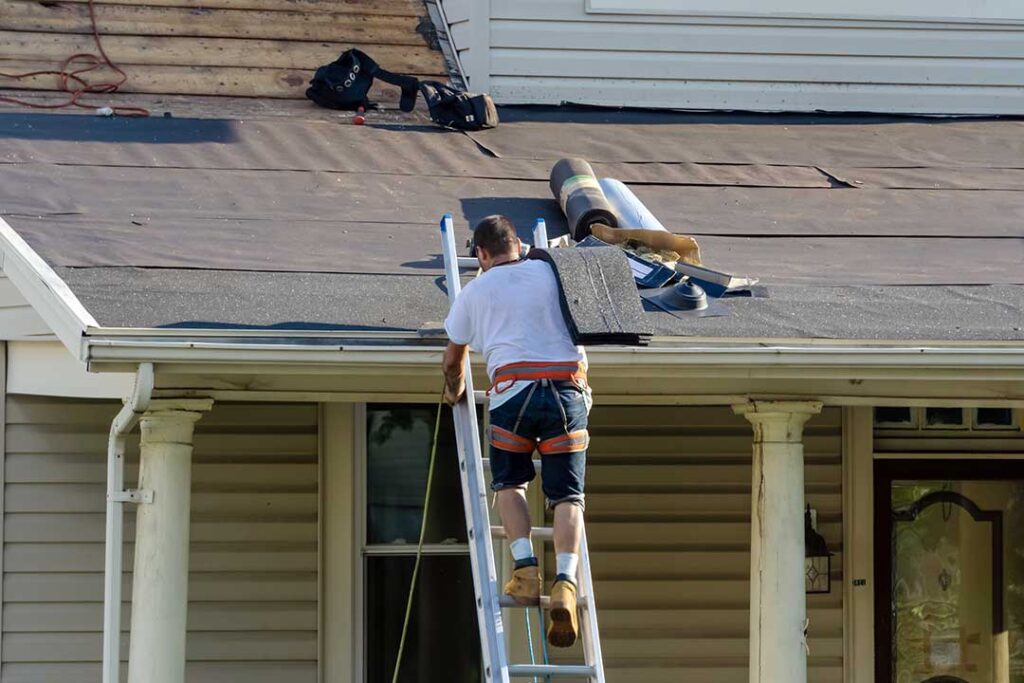
Roofing scams often appear after wind, heavy rain, ice, or fallen branches create visible damage. They can also begin with an unsolicited offer from someone claiming to have noticed a problem from the road. The safest approach is to slow down, verify the facts, and avoid making payment or signing paperwork under pressure.
What roofing scams usually look like
Most roofing scams rely on urgency, confusion, or a homeowner’s understandable concern about water entering the house. A person may claim that damage is far worse than it appears, insist that repairs must begin immediately, or offer a limited-time price if work starts that day.
Common warning signs include:
- An unsolicited visit, phone call, text message, or social media message
- Claims that the person is already working nearby
- Pressure to sign a contract immediately
- A request for a large cash deposit or full payment before work begins
- A price that is dramatically lower than other written proposals
- Refusal to provide a physical business address or verifiable contact information
- Vague answers about insurance, materials, permits, or the scope of work
- A request to sign insurance paperwork that is not fully explained
- A promise that an insurance claim will definitely be approved
- A demand to pay a different person or business than the one named in the agreement
A legitimate roofing discussion should allow time for questions, comparison, and independent decision-making.
Why storm damage attracts dishonest operators
Seasonal weather creates legitimate roofing problems in Greene, NY. Freeze-thaw cycles, wind, snow, ice, falling limbs, and driving rain can affect shingles, flashing, gutters, vents, and roof edges. After a storm, many households may need inspections at the same time, creating an opportunity for unfamiliar operators to move quickly through the community.
Some dishonest operators use the appearance of widespread damage to justify unnecessary replacements. Others perform only temporary work, use inferior materials, leave debris behind, or disappear before leaks return.
A roof should not be declared a total loss solely because a salesperson says so. Homeowners can ask for dated photographs, a written explanation of the observed damage, and a clear distinction between urgent temporary protection and permanent replacement.
Should a homeowner allow a stranger onto the roof?
No one is required to accept an unsolicited roof inspection. A homeowner can decline entry, ask the person to leave written information, and arrange an inspection on a different day.
Be especially cautious if someone:
- Claims to have found damage without showing evidence
- Wants access to the attic, interior rooms, or insurance documents immediately
- Arrives without identification or a verifiable business name
- Becomes angry when asked to leave
- Says the opportunity will disappear if the inspection is postponed
A roof inspection can involve ladders and fall hazards. Homeowners should not climb onto a damaged or wet roof to verify a claim themselves. From the ground, it is reasonable to photograph visible concerns and note when leaks or storm impacts occurred.
How can a roofing contractor be checked before any agreement?
Verification should happen before a deposit is paid. Ask for the legal business name, physical address, telephone number, proof of liability insurance, and workers’ compensation coverage where applicable. Then independently confirm the information rather than relying only on documents supplied at the door.
Useful checks include:
- Searching the business name with terms such as “complaint,” “scam,” or “lawsuit”
- Speaking with references about communication, cleanup, delays, and unexpected charges
- Comparing the proposed scope and materials with other written proposals
- Confirming who will actually perform the work
- Asking whether permits or inspections may be required
- Checking that the contract identifies the party responsible for obtaining required permits
New York does not impose one statewide licensing system for all home-improvement contractors. Requirements can vary by location and project. That makes independent verification especially important in smaller communities and rural areas, where a familiar-looking vehicle or local-sounding name does not prove legitimacy.
What should a roofing contract include?
A written contract should describe the work precisely enough that another person could understand what was agreed to. For larger home-improvement projects in New York, written-contract requirements apply, and a written agreement is sensible even for smaller repairs.
The contract should identify:
- The contractor’s legal name, address, and telephone number
- The homeowner’s name and property address
- The estimated start and completion dates
- The specific areas to be repaired or replaced
- The type, grade, color, and quantity of materials
- Removal and disposal responsibilities
- Ventilation, flashing, underlayment, drip-edge, and ice-barrier details when applicable
- The total price, deposit, payment schedule, and balance due
- How changes or hidden damage will be approved and priced
- Warranty terms and who is responsible for warranty service
- Insurance and permit responsibilities
Avoid signing a contract with blank spaces, handwritten additions that are not initialed, or language allowing unlimited extra charges. A proposal that says only “install new roof” may leave important details unresolved.
Is a large deposit a warning sign?
A large upfront payment deserves careful questioning. Roofing materials and labor cost money, but a homeowner should be wary of demands for full payment before materials arrive or before meaningful work is completed.
A safer payment arrangement ties payments to clearly defined stages, such as delivery of materials, completion of removal, installation, and final cleanup. The final payment should not be due until the agreed work is complete and obvious problems have been addressed.
Cash payments are particularly risky because they can be difficult to prove. Use a traceable payment method and keep receipts, contracts, photographs, messages, and copies of insurance documents together.
Can an insurance claim reveal a roofing scam?
Insurance-related promises are a frequent source of confusion. No contractor can guarantee that an insurer will cover a claim, determine the cause of damage, or pay a particular amount.
A homeowner should:
- Report possible damage directly through the insurer’s normal process
- Avoid signing over broad insurance rights without understanding the document
- Keep copies of adjuster reports and contractor proposals
- Compare the proposed work with the documented damage
- Ask questions before approving supplements or additional charges
- Be cautious of anyone offering to “waive” a deductible or falsify damage
The contractor and insurance company serve different roles. A contractor may document visible conditions, but the insurer determines coverage under the policy.
What should happen if a scam is suspected?
Stop communication long enough to preserve records. Do not allow additional work or payment simply because someone threatens a lien, claims materials are already ordered, or says cancellation is impossible.
Save:
- Contracts and estimates
- Invoices and receipts
- Photographs and videos
- Text messages, emails, and voicemails
- Names, license or registration details, vehicle information, and dates of visits
If money has been paid, contact the payment provider promptly to ask whether a transaction can be disputed. Suspected fraud can also be reported to appropriate state, local, or consumer-protection authorities. If a roof is actively leaking, temporary measures such as placing containers indoors or covering exposed areas from the ground may reduce damage while the situation is reviewed. Roof access should be left to people equipped to work safely.
The most reliable protection is a pause between the first warning sign and the final decision. A homeowner who verifies identity, compares written information, understands the contract, and keeps control of payment is much less vulnerable to a roofing scam.
