
Skylights can make a dark room feel larger, brighter, and more connected to the outdoors. They can also change how a roof handles water, snow, heat, ventilation, and future maintenance. The skylight itself is rarely the only concern; the surrounding roof assembly and flashing determine much of its long-term performance.
Do skylights weaken a roof?
A properly designed and installed skylight does not automatically weaken a roof, but installing one requires cutting through the roof covering, underlayment, sheathing, and sometimes a structural rafter or truss layout.
The opening must be framed so the roof continues to carry its loads safely. In many homes, the framing around the skylight includes headers and trimmers that transfer weight around the opening. Altering roof framing without understanding the structure can create sagging, movement, or stress around the skylight.
Older homes may have framing layouts that differ from newer construction. Roofs with engineered trusses require especially careful planning because individual truss members generally should not be cut or altered without an engineered solution.
The size and placement of the skylight matter as much as the unit itself. A smaller skylight placed between existing framing members may require less structural alteration than a large opening installed across several members.
How do skylights affect the risk of roof leaks?
A skylight creates another transition where water must move from the roof surface around a raised or recessed opening. That transition depends on several parts working together:
- Step flashing or other perimeter flashing
- A continuous underlayment system
- Properly integrated head and sill flashing
- Correct fastening
- A roof pitch suitable for the skylight design
- A roof covering installed without damaging the flashing
The most common leak misconception is that the glass or frame is always the problem. In many cases, water enters because flashing has corroded, roofing materials have deteriorated, sealants have failed, or ice and wind-driven rain have found a path beneath the surrounding roof covering.
Caulk may temporarily hide a symptom, but it is not a substitute for correctly installed flashing. Repeatedly applying sealant over an old leak can make the source harder to identify and may trap moisture in the roof assembly.
Are skylights more vulnerable during Greene, NY winters?
Seasonal weather is an important part of skylight performance. Snow, freezing temperatures, ice formation, wind, and repeated thawing can place additional stress on the roof area around a skylight.
A skylight can interrupt the smooth flow of snow and water down the roof. Snow may collect above it, especially where the roof has a lower slope or where nearby dormers, ridges, or roof projections redirect accumulation. During a thaw, melting snow can move toward flashing and refreeze at colder roof edges.
This does not mean every skylight will develop an ice dam. Roof insulation, air sealing, ventilation, roof geometry, snow depth, and weather patterns all influence the risk. However, a skylight may become a weak point if warm air escapes from the room into the attic and warms the underside of the roof.
Signs of a possible winter-related problem include:
- Brown staining around the interior trim
- Damp drywall after a thaw
- Peeling paint or swollen wood
- Frost or water marks on the skylight frame
- Repeated leaks in the same location each winter
- Wet insulation near the opening
A leak that appears only during snowmelt should not be dismissed simply because the skylight looks intact from inside the room.
Can skylights increase heating or cooling costs?
Yes. Skylights can improve natural lighting, but they also change the amount of heat entering and leaving a room.
During sunny weather, a skylight may provide useful solar warmth. In warmer conditions, direct sun can create unwanted heat, particularly in rooms with limited ventilation or no shading. At night and during cold weather, the skylight becomes part of the building envelope where heat can escape.
Performance depends on:
- The skylight’s U-factor, which relates to heat transfer
- Solar heat gain characteristics
- Glazing type and number of panes
- Frame construction
- Interior shades or blinds
- Orientation and roof slope
- Air sealing around the rough opening
- Insulation around the shaft
A skylight with good glazing can still perform poorly if the shaft is uninsulated or if air leaks around the frame. Condensation on the interior surface may result from high indoor humidity, a cold frame, poor ventilation, or inadequate insulation rather than from a roof leak.
In a heating-dominated climate, the goal is not simply to admit more sunlight. The entire opening should be treated as part of the roof’s insulation and air-sealing system.
What happens when a skylight is installed during a roof replacement?
Replacing the roof is often a practical time to inspect an existing skylight because the surrounding shingles, underlayment, and flashing are accessible.
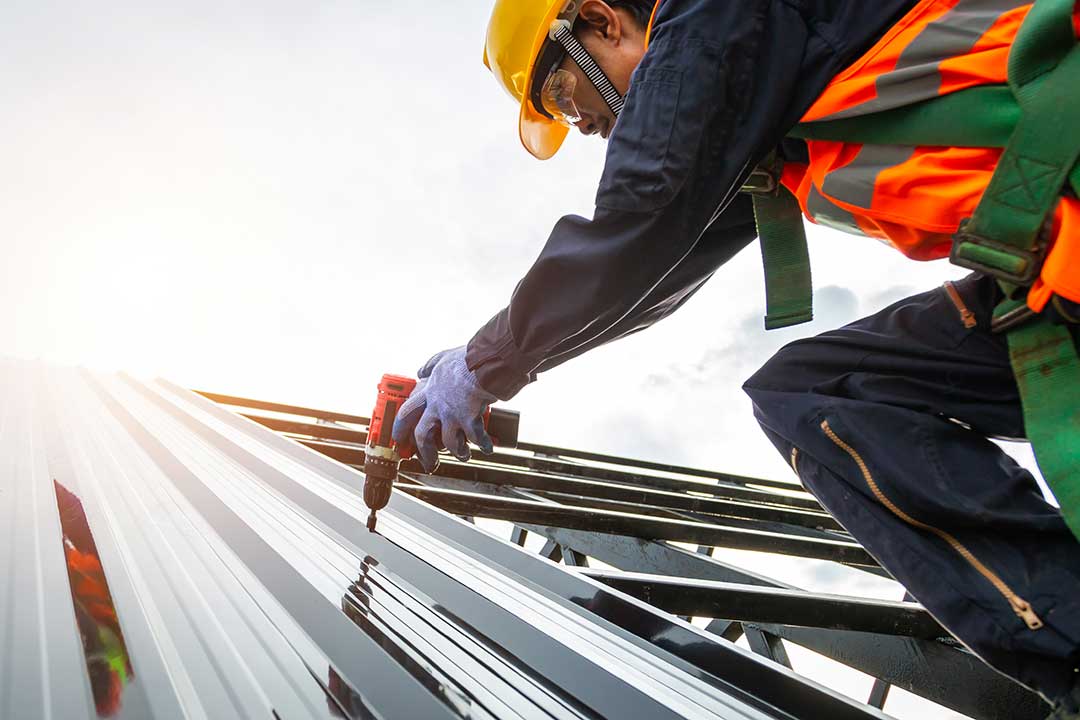
The roof replacement may reveal:
- Rusted or damaged flashing
- Soft roof sheathing
- Deteriorated skylight frames
- Cracked glazing
- Improperly installed underlayment
- Past repairs hidden beneath roofing materials
- Moisture damage around the light shaft
A skylight does not always need to be replaced just because the roof covering is being replaced. If the unit is in sound condition and compatible with the new roof system, careful re-flashing may be possible. Replacement may be more sensible when the skylight is fogged between panes, cracked, warped, difficult to operate, or near the end of its service life.
The decision should consider the skylight’s age, condition, design, and the expected life of the new roof. Leaving an aging skylight in place can result in a separate repair later, while replacing a sound unit unnecessarily adds cost and construction work.
How should homeowners inspect a skylight?
A basic inspection from the ground and from inside the home can identify warning signs, but roof surfaces may be slippery or unsafe, especially after rain, frost, or snow.
From inside, look for:
- Discoloration around the ceiling or shaft
- Bubbling paint or damaged drywall
- Drafts near the trim
- Condensation that returns frequently
- Cracks, cloudiness, or moisture between glazing layers
- Difficulty opening or closing a venting unit
From outside, visible concerns may include missing roofing material, exposed fasteners, damaged flashing, lifted shingles, or debris collecting above the skylight. Do not walk on a roof simply to inspect a skylight. A fall risk is present even on a roof that appears dry and stable.
A ceiling stain does not always appear directly beneath the leak. Water can travel along rafters, roof sheathing, insulation, or the skylight shaft before becoming visible indoors.
Do skylights affect roof maintenance?
They can make roof maintenance more detailed. Leaves, branches, moss, and windblown debris may collect around the uphill side of the unit. These materials can slow drainage and keep the flashing area damp.
Skylight cleaning should avoid abrasive tools and harsh methods that can scratch glazing or damage seals. Venting skylights also need attention to hinges, screens, and operating hardware. Interior shades should be checked for trapped moisture or signs of condensation.
If roofing work is performed nearby, the skylight should be protected from dropped tools, foot traffic, and improper fastening. A small puncture in the flashing or glazing frame may not leak immediately, making careful inspection after roof work worthwhile.
When is a skylight a safety or code concern?
A new or altered skylight may involve structural, weatherproofing, energy, and safety requirements under the applicable New York building codes. Requirements can vary according to the type of building, the skylight design, the roof construction, and whether the work is new construction, replacement, or repair.
Safety concerns are more urgent when there is active water entry, sagging roof framing, exposed electrical components, shattered glazing, loose plastic, or a ceiling surface that appears ready to fall. Roof work around skylights is also hazardous during snow, ice, high winds, or wet conditions.
The most useful way to think about a skylight is as a roof opening, not merely a window. Its effect on the home depends on structural framing, flashing, insulation, drainage, climate exposure, and maintenance working together. When those parts are properly coordinated, a skylight can provide daylight without becoming a recurring roof problem.
