
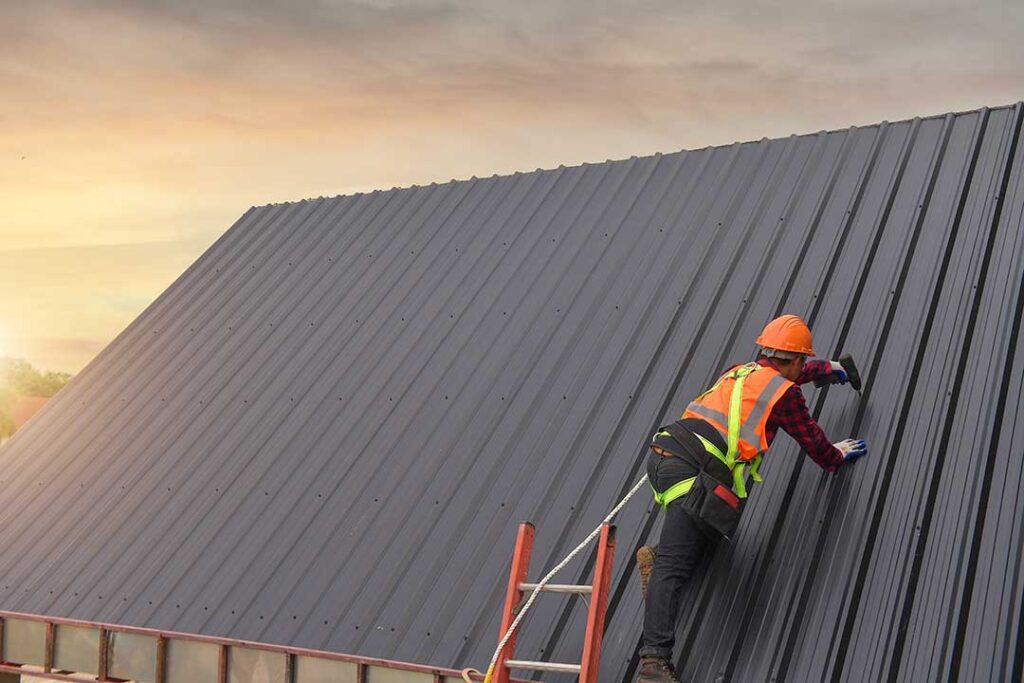
A roof problem rarely stays limited to the roof. In Greene, NY, a small leak, damaged shingle, or blocked drainage path can become a much larger household expense when moisture, ice, wind, and repeated seasonal changes have time to work through the building.
The true cost of ignoring roof problems includes more than the eventual repair bill. It may involve damaged insulation, stained ceilings, unsafe electrical conditions, mold growth, weakened framing, ruined belongings, and reduced energy efficiency.
How quickly can a small roof leak cause damage?
A small leak can begin damaging a home as soon as water reaches materials that are not designed to stay wet. The visible ceiling stain may appear days or weeks after the original roof problem began, meaning the damage above the ceiling can be more extensive than it looks.
Water may travel along rafters, roof decking, insulation, wiring, and wall cavities before appearing indoors. A drip near one room does not necessarily identify the location of the roof opening.
Common early signs include:
- Brown or yellow ceiling stains
- Peeling paint or bubbling drywall
- Damp insulation or musty odors
- Water marks around chimneys, vents, or skylights
- Drips that appear only during wind-driven rain
- Shingles with lifted, cracked, curled, or missing sections
- Granules collecting in gutters or near downspouts
A leak that stops after a storm has not necessarily been resolved. The roof opening may still allow water inside during the next period of rain, snow, or strong wind.
Why does winter make neglected roof problems worse?
Cold weather increases the consequences of roof defects because moisture can freeze, expand, and refreeze repeatedly. Greene experiences winter conditions that can place additional stress on shingles, flashing, gutters, and roof edges.
Ice buildup along the lower edge of a roof can prevent melting snow from draining normally. Water may then move beneath roofing materials and enter areas around ceilings, exterior walls, or insulation. This process is commonly associated with ice dams, although not every winter leak is caused by one.
Snow also adds weight to the roof structure. Most residential roofs are designed to carry expected seasonal loads, but existing damage, poor drainage, weakened decking, or structural deterioration can reduce the margin of safety.
Freeze-thaw cycles can worsen:
- Cracks around flashing and masonry
- Gaps in sealants
- Splits in older roofing materials
- Loose gutters and downspouts
- Deteriorated roof edges and fascia boards
A defect that seems minor in autumn may become an active leak during winter or early spring.
What damage can occur inside the house?
Ignored roof problems can affect several layers of a home. The first visible damage may be cosmetic, but prolonged moisture can reach structural and mechanical components.
Potential interior consequences include:
- Damaged drywall, plaster, trim, and paint
- Saturated attic insulation
- Mold or mildew growth on damp materials
- Corrosion around electrical components
- Warped flooring or damaged cabinets
- Staining and odor that persist after surfaces dry
- Weakened roof decking, rafters, or wall framing
Wet insulation loses effectiveness and may remain damp for a long time in poorly ventilated spaces. This can increase heat loss during winter and allow indoor moisture to remain trapped.
Electrical hazards deserve particular caution. Water near light fixtures, wiring, outlets, or electrical panels can create a risk of shock, short circuits, or fire. If water is entering near electrical equipment, avoid touching wet fixtures or standing water and use appropriate emergency safety measures.
How can a roof issue increase energy bills?
A damaged roof can contribute to higher heating and cooling costs by allowing conditioned air to escape or by reducing the effectiveness of attic insulation. Moisture makes insulation less effective, while holes and poorly sealed roof penetrations may increase air movement between the living space and attic.
Roof problems may also be confused with ventilation or insulation problems. For example, condensation in an attic can resemble a roof leak. A careful evaluation is needed to distinguish among:
- Rainwater entering through the roof
- Snow or ice-related water intrusion
- Indoor moisture condensing in a cold attic
- Plumbing leaks near roof areas
- Air leakage around ceiling penetrations
Treating the wrong source can allow the actual problem to continue. Painting over a ceiling stain may improve its appearance temporarily but does not remove the moisture source.
Is delaying a repair ever more expensive than replacing materials?
Often, yes. A small repair may involve correcting a limited opening, replacing a small section of roofing, or securing damaged flashing. After months of water exposure, the work may extend to decking, insulation, framing, interior finishes, and personal property.
The cost can also rise because water damage spreads beyond the original entry point. Materials that appear dry on the surface may still be damp underneath. Hidden deterioration is especially possible around valleys, roof penetrations, wall intersections, and areas where snow or leaves collect.
A delayed problem can also affect insurance decisions. Coverage varies by policy, but sudden storm damage may be treated differently from damage associated with long-term neglect, wear, or maintenance issues. Records of inspections, storm dates, photographs, and temporary protective measures can help document what happened.
What roof problems should be addressed first?
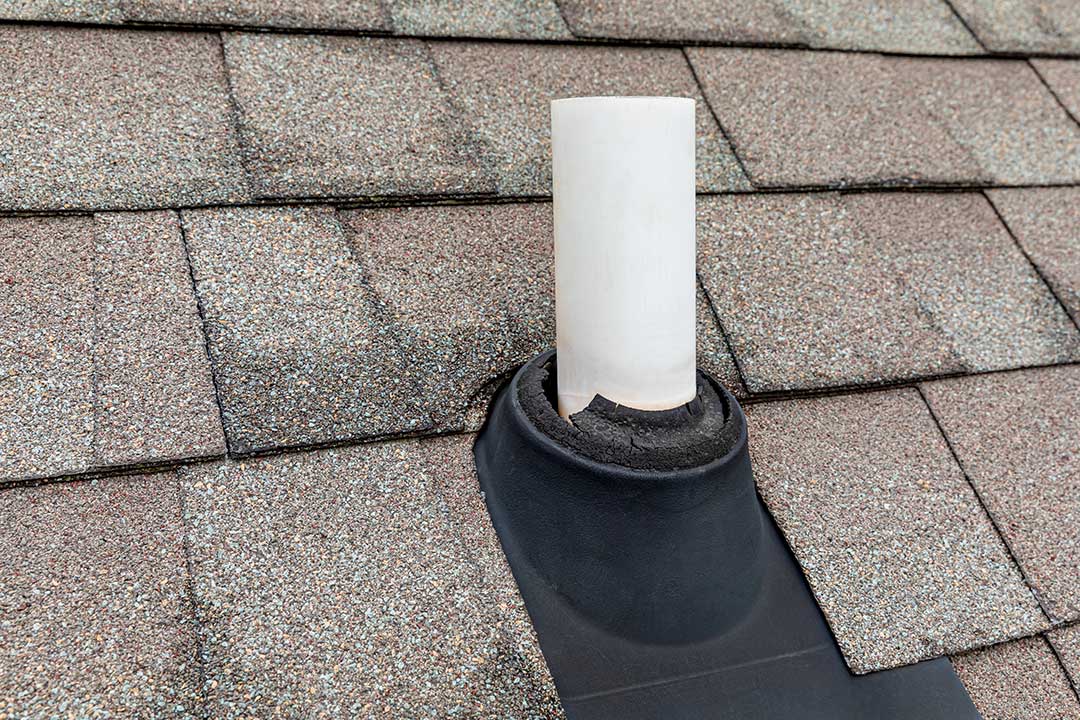
Urgent attention is appropriate when water is actively entering the home, a ceiling is sagging, a large area of roofing is missing, or structural components appear unstable. Hazardous conditions may require temporary measures until the area can be safely examined.
Priority concerns include:
- Active interior leaks during rain or snowmelt
- Sagging ceilings or visibly bowed roof sections
- Large fallen branches or storm debris
- Exposed underlayment or roof decking
- Missing flashing around chimneys, vents, or roof edges
- Loose materials that could fall during wind
- Water near electrical fixtures
- Heavy snow or ice accompanied by unusual structural sounds
Roof inspections should not involve walking on steep, icy, wet, or visibly damaged surfaces. Falls are a serious risk, and hidden weak areas may not be visible from above. Ground-level observations, attic checks from a safe location, and photographs can provide useful information without creating additional danger.
What can homeowners check safely?
A basic visual check after severe weather can help identify problems early. From the ground, look for changes in roof lines, missing materials, sagging gutters, displaced downspouts, or debris on the roof. Inside the attic, only examine accessible areas from a stable, dry surface and avoid disturbing insulation or touching electrical components.
Keep records of:
- The date and type of weather event
- The location of visible stains or drips
- Changes in the ceiling, walls, or attic
- Photographs taken before temporary cleanup
- Any temporary containers or protective coverings used indoors
Gutters and downspouts should remain clear enough to move water away from the roof and foundation. However, clearing them during freezing conditions or from an unstable ladder can be hazardous.
How can roof problems be prevented from becoming major repairs?
Prevention depends on finding small changes before moisture reaches the building interior. Periodic visual checks are particularly useful after high winds, heavy snow, ice, or extended rain.
Useful maintenance habits include:
- Looking for damaged or missing shingles from the ground
- Checking attic areas for dampness, stains, or musty smells
- Keeping gutters and downspouts from becoming blocked
- Watching for loose flashing or exposed roof edges
- Trimming branches that could strike the roof
- Checking ceilings after major storms
- Addressing recurring leaks rather than repeatedly covering the stain
A roof does not need to look severely damaged to be allowing water inside. Early investigation is usually less disruptive than waiting until moisture affects insulation, framing, walls, wiring, and household belongings.
For residents of Greene, NY, seasonal inspection habits are especially useful because roof conditions can change significantly between summer heat, autumn debris, winter snow, and spring thaw. The most economical response to a roof problem is often identifying its source before a limited defect becomes a building-wide moisture problem.
