
A small roof problem rarely stays small. A loose shingle, failed flashing, clogged drainage path, or minor ceiling stain can allow water to reach roof decking, insulation, framing, drywall, and electrical components. In Greene, NY, repeated freeze-thaw cycles, snow, ice, wind, and heavy rain can accelerate that process.
The true cost of ignoring roof problems is not limited to the eventual roof repair. It can include interior damage, structural deterioration, mold growth, reduced energy efficiency, damaged belongings, safety concerns, and a shorter service life for the entire roofing system.
How does a minor roof leak become expensive?
A roof leak often begins above the visible damage. Water may travel along rafters, roof decking, insulation, or interior wall cavities before appearing as a stain. By the time water becomes noticeable inside, the original entry point may have been active for days, weeks, or longer.
The cost can grow in stages:
- Roofing materials become saturated or deteriorated.
- Roof decking may soften or lose strength.
- Insulation becomes less effective after absorbing moisture.
- Drywall, paint, trim, and flooring may require replacement.
- Wood framing can develop rot if it remains damp.
- Electrical components may be exposed to moisture.
- Mold or musty odors may develop in concealed spaces.
A bucket under a drip may control immediate floor damage, but it does not stop water from entering the roof assembly. Temporary measures can be useful during bad weather, yet the underlying cause still needs to be identified.
Why are roof problems more serious during Greene winters?
Cold-weather conditions can expose weaknesses that are less obvious during mild seasons. Snow may cover damaged shingles or flashing, while ice can block drainage paths and force water beneath roof coverings.
Freeze-thaw cycles are especially hard on aging materials. Water enters a small crack or opening, freezes, expands, and enlarges the damaged area. When temperatures rise, meltwater can move into places that remained dry during the original storm.
Ice dams can also form when roof temperatures vary across the same surface. Snow melts on a warmer section, then refreezes near a colder eave. The resulting ice can obstruct drainage and allow water to back up beneath roofing materials.
Heavy snow and ice add weight to the roof structure. A roof with already weakened decking, rafters, or connections may be less able to tolerate additional loading. Warning signs can include sagging roof lines, new cracks in ceilings or walls, doors that begin sticking, or unusual popping sounds. These conditions should be treated as safety concerns rather than ordinary maintenance issues.
What damage can remain hidden?
Some of the most costly roof damage is not visible from the ground or from inside a finished room.
Wet insulation may stay hidden behind drywall. Roof decking may deteriorate beneath shingles without creating an obvious ceiling stain. Water can also collect around chimneys, skylights, plumbing vents, valleys, and wall intersections where several materials meet.
Hidden damage is more likely when:
- A leak appears only during wind-driven rain.
- A stain dries between storms.
- The attic has limited visibility or insulation covers the roof deck.
- The problem occurs near a wall, chimney, or roof-to-porch connection.
- A roof has multiple layers or past patching.
- Gutters overflow during heavy rainfall.
A dry ceiling does not always mean a roof is sound. Moisture can remain trapped in materials and continue causing deterioration after the original leak stops.
Can ignoring a roof issue damage energy efficiency?
Yes. Moisture can reduce the performance of insulation and create air leakage pathways. If attic insulation becomes damp, it may no longer resist heat transfer as effectively. Wet wood and insulation can also contribute to colder interior surfaces, drafts, and uneven temperatures.
Poor attic ventilation may worsen winter moisture problems. Warm, moist household air can enter the attic through gaps around light fixtures, wiring, plumbing penetrations, or attic access openings. If that air meets cold roof surfaces, condensation may form.
The result can resemble a roof leak even when rain is not entering. Distinguishing between outside water intrusion and interior condensation matters because the remedies are different.
What happens if roof damage reaches the structure?
Roof coverings are designed to shed water, but the roof deck and framing provide much of the building’s strength. Prolonged moisture can weaken plywood, oriented strand board, rafters, trusses, fascia, and supporting connections.
Structural deterioration may develop gradually. A roof can appear acceptable from the ground while sections of decking become soft or delaminated. In more serious cases, damaged framing can affect the roof’s ability to carry snow, ice, wind, and its own weight.
Warning signs that deserve prompt attention include:
- A visible dip or sag in the roof surface.
- Ceiling cracks that are new or growing.
- Walls separating from ceilings.
- Interior doors or windows that suddenly bind.
- Rusted fasteners or exposed metal in the attic.
- Crumbling or darkened roof decking.
- Water pooling in the attic or upper walls.
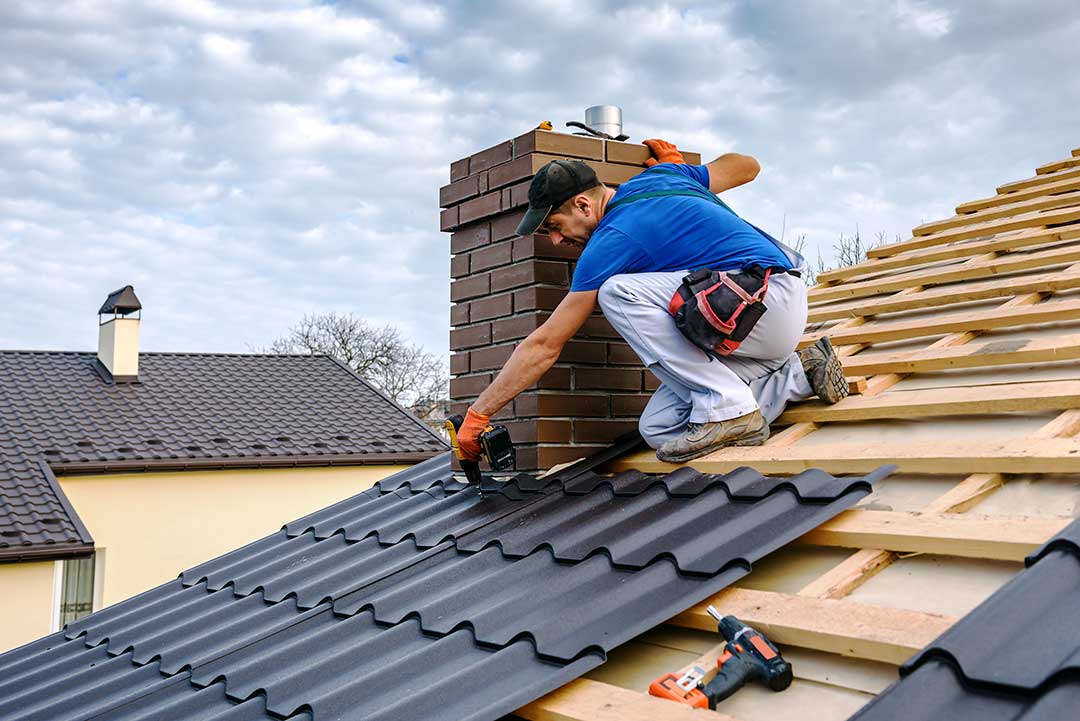
Walking on a weakened roof or entering a damaged attic can be hazardous. Areas with suspected structural damage should be approached cautiously.
Does insurance always cover delayed roof damage?
Not necessarily. Coverage depends on the policy, the cause of damage, exclusions, documentation, and whether the problem is considered sudden or related to long-term wear and neglect.
A storm-created opening may be treated differently from deterioration that developed over years. Damage caused by a covered event may also become more difficult to document if delayed maintenance allows the problem to spread.
Useful records may include dated photographs, notes about when a leak was first noticed, descriptions of weather conditions, and documentation of temporary steps taken to limit further damage. Homeowners should review their own policy rather than assume that every roof-related loss is covered.
What roof problems should not be postponed?
Some conditions deserve prompt attention even if the leak seems minor:
- Active dripping during rain or snowmelt.
- Missing, lifted, or badly cracked roofing materials.
- Damaged flashing around chimneys, vents, or roof edges.
- Sagging roof sections or ceiling areas.
- Wet insulation, mold-like odors, or visible attic moisture.
- Water near electrical fixtures or wiring.
- Gutters or downspouts pulling away from the structure.
- Large branches or storm debris resting on the roof.
If water is near electrical equipment, avoid touching wet fixtures or standing water near outlets. If the roof appears structurally unstable, staying clear of the area is safer than attempting an inspection from above.
How can homeowners reduce the cost of roof problems?
Regular observation is more useful than waiting for an interior stain. From the ground, residents can look for missing materials, uneven roof lines, overflowing gutters, damaged trim, and debris collecting in valleys.
Attics can be checked from a safe location for damp insulation, daylight through the roof deck, dark staining, rust, or musty odors. Gutters and downspouts should remain able to carry water away from the structure, especially before periods of heavy rain and after autumn leaf fall.
Roof maintenance does not prevent every failure, but it can identify problems while repairs remain limited to a flashing detail, drainage issue, or small section of roofing. Once water reaches insulation, framing, ceilings, walls, or personal property, the cost and disruption increase significantly.
